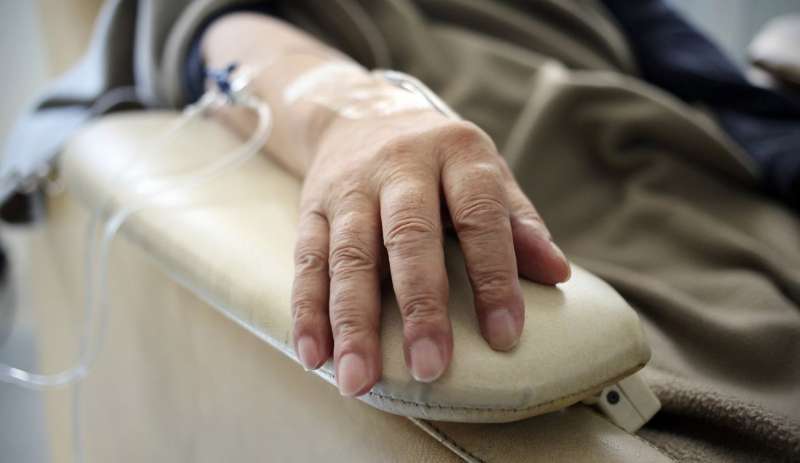
It can be alarming to hear news reports about the coronavirus spreading, cities shutting down, and experts telling us to stay home and limit contact with others. Adjusting to this new normal where schools and businesses are closed can be difficult, and many are worried about how their jobs and finances may be affected. For people with serious health conditions, such as breast cancer, and their loved ones, the uncertainty of this situation, the need for physical distancing, and possible delays in cancer treatments can be especially distressing.
The Centers for Disease Control and Prevention (CDC) says that the risk of becoming seriously ill from COVID-19 is low for most people. However, it’s very important to know that people being treated for breast cancer may have a higher risk of severe illness if they get COVID-19.
Some breast cancer treatments — including chemotherapy, targeted therapies, immunotherapy, and radiation — can weaken the immune system and possibly cause lung problems. People who have weakened immune systems or lung problems have a much higher risk of complications if they become infected with this virus. For most people, the immune system recovers within a couple of months after completing these treatments, so those who have been treated for breast cancer in the past don't necessarily have a higher risk of severe illness.
People with breast cancer that has metastasized (spread) to the lungs also can have lung problems that may get worse if they develop COVID-19.
Because the risk of infection is higher in healthcare facilities, many hospitals and healthcare providers are delaying or recommending that you delay elective surgeries, screenings, and other procedures that are not considered urgent. These tough decisions are being made to protect people from unnecessary exposure to the virus and to make sure healthcare providers have the resources they need to treat people who become seriously ill from COVID-19.
The virus has now spread to most countries in the world, but the number of cases varies in different regions, so your immediate risk of coming into contact with the virus depends on where you live. The risk of infection will continue to change over the coming months as cases increase and decrease in different areas.
To protect yourself and help reduce the spread of the virus, it’s important to listen to health experts who recommend staying at home, limiting contact with others, and following other precautions.
Your Breast Health and Sydney Breast Associates
We believe every woman should regularly take measures to care for their body. Sydney Breast Associates offers on-site screening through mammography and breast ultrasounds including clinical breast exams for women in their 20s and 30s. After the age of 40, all women should undergo an annual mammogram for a more thorough screening for possible cancer.If you need to schedule your yearly mammogram, please contact our office and they will help you schedule your next appointment.
Source: breastcancerorg