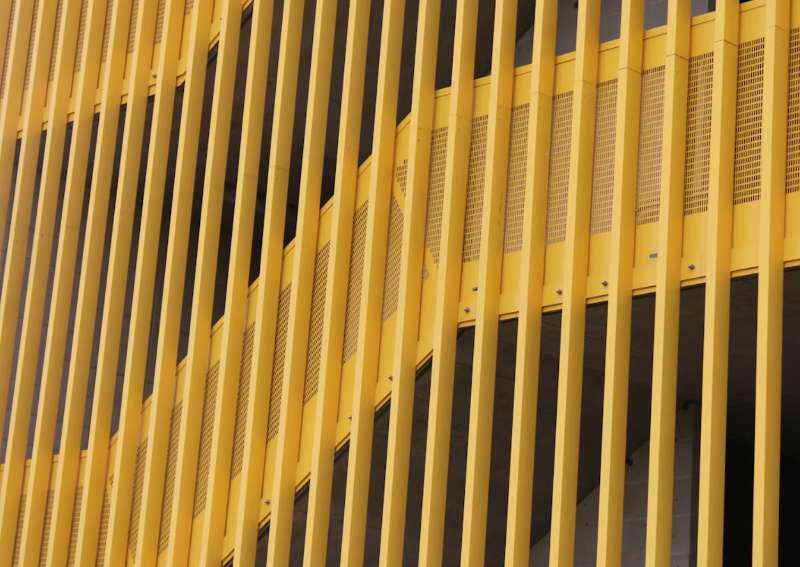
Perforated metal is one of those materials that looks simple on the surface but quickly becomes complex once you move from concept to fabrication. Whether you’re working on architectural facades, industrial screening, or ventilation panels, small design decisions can have a big impact on performance, cost, and lead times.
Across projects—especially in highly specified markets like perforated metal Melbourne—fabricators often see the same avoidable mistakes repeated. These issues don’t just create minor delays; they can lead to rejected panels, structural problems, or expensive redesigns that ripple through an entire project timeline.
If you’re specifying, designing, or procuring perforated metal, understanding these pitfalls upfront will save time, money, and a lot of back-and-forth with your fabricator.
1. Ignoring Open Area Percentage
One of the most overlooked factors in perforated metal design is the open area percentage—the proportion of the sheet made up of holes versus solid material.
Designers often focus purely on the visual pattern, but open area directly affects:
Airflow and ventilation performance
Light transmission
Acoustic properties
Structural strength
A pattern that looks great on paper might restrict airflow far more than expected or weaken the sheet beyond acceptable limits.
How to avoid it:
Always define your performance requirements first. If airflow or visibility is critical, calculate the required open area and work backward to determine the appropriate hole size and spacing. Collaborating with a fabricator early can help you balance aesthetics with function.
2. Choosing the Wrong Material for the Environment
Not all metals behave the same under different environmental conditions. A design that works indoors may fail quickly outdoors, especially in coastal, industrial, or high-moisture environments.
Common missteps include:
Using mild steel where corrosion resistance is needed
Over-specifying stainless steel when aluminium would suffice
Ignoring coating requirements like powder coating or galvanising
How to avoid it:
Match the material to the environment and application. For example:
Stainless steel for corrosion-heavy environments
Aluminium for lightweight architectural applications
Galvanised steel for cost-effective durability
This decision impacts not just longevity but also fabrication processes and costs.
3. Overcomplicating the Perforation Pattern
Custom patterns can look incredible—but they can also become a fabrication headache if not designed with manufacturing in mind.
Highly intricate or irregular hole patterns may:
Increase tooling costs
Slow down production
Lead to inconsistencies across sheets
In some cases, designs need to be simplified after the fact, which means rework and delays.
How to avoid it:
If you want a custom design, consult your fabricator before finalising it. They can advise on:
Tool availability
Punching vs laser cutting feasibility
Cost implications of complexity
Often, small adjustments can achieve the same visual effect with far greater efficiency.
4. Not Accounting for Sheet Strength and Structural Integrity
Perforating a sheet reduces its strength—sometimes significantly. This becomes a major issue when panels are used in load-bearing or high-impact environments.
Designers sometimes specify:
Hole sizes that are too large
Spacing that leaves insufficient material between holes
Thin gauges that can’t handle the intended use
The result? Warping, bending, or outright failure.
How to avoid it:
Factor in structural requirements from the beginning. Consider:
Sheet thickness (gauge)
Hole diameter relative to pitch
Support framing or reinforcement
A good rule of thumb is that as open area increases, strength decreases—so there’s always a trade-off to manage.
5. Overlooking Edge Margins and Sheet Borders
It’s easy to focus on the perforated area and forget about the edges—but edge margins are critical for both fabrication and installation.
Without adequate margins:
Sheets can deform during punching
Fixing points become unreliable
Panels may not align correctly during installation
How to avoid it:
Include clear, unperforated borders in your design. These margins:
Improve structural integrity
Allow for secure mounting
Make handling and transport easier
Your fabricator will typically recommend minimum edge distances based on material and hole size.
6. Failing to Consider Tolerances and Alignment
Perforated metal sheets are rarely used in isolation—they’re often installed as part of a larger system. Misalignment between panels can ruin the visual effect, especially in architectural applications.
Common issues include:
Patterns not lining up across multiple panels
Inconsistent spacing due to tolerance variations
Poor planning around joins and seams
How to avoid it:
Plan for panel layout early. This includes:
Defining pattern alignment across sheets
Accounting for fabrication tolerances
Coordinating with installation teams
For high-visibility projects, mock-ups or samples can be invaluable.
7. Underestimating Fabrication Method Constraints
Not all perforated metal is produced the same way. The choice between punching and laser cutting can significantly affect the outcome.
Punching is faster and more cost-effective for standard patterns
Laser cutting offers flexibility for custom designs but at a higher cost
Designs that don’t align with the chosen method can lead to inefficiencies or quality issues.
How to avoid it:
Understand the limitations of each fabrication method and design accordingly. If cost is a concern, aim for patterns that can be efficiently punched using standard tooling.
8. Ignoring Finishing Requirements
The finish of perforated metal isn’t just about appearance—it also affects durability and performance.
Mistakes here include:
Skipping protective coatings in harsh environments
Choosing finishes that highlight imperfections
Not accounting for how coatings affect hole size and tolerances
How to avoid it:
Specify finishes based on both aesthetic and functional needs. Options like powder coating, anodising, or galvanising should be considered early in the design process.
9. Poor Communication with Fabricators
One of the biggest causes of rework isn’t technical—it’s communication. Incomplete drawings, unclear specifications, or last-minute changes can derail even well-planned projects.
How to avoid it:
Provide detailed documentation, including:
Hole size, pitch, and pattern type
Material and thickness
Finishing requirements
Tolerances and edge conditions
Better yet, involve your fabricator during the design phase rather than after everything is locked in.
Final Thoughts
Perforated metal design sits at the intersection of aesthetics, engineering, and manufacturing. When done well, it delivers both visual impact and functional performance. When key details are overlooked, it can lead to costly reworks, delays, and compromised results.
The common thread across all these mistakes is a lack of alignment between design intent and fabrication reality. By considering performance requirements, material behaviour, and manufacturing constraints from the outset, you can avoid unnecessary complications and deliver a smoother, more efficient project.