Melbourne weather can change quickly, and indoor comfort often depends on having the right cooling and heating setup. A properly installed air conditioning system helps maintain consistent temperatures while managing energy use more effectively. Choosing the right system and installation approach can make a noticeable difference in performance and running costs.
Choose the Right System for Your Home
Not every air conditioning system suits every property. The size of your home, room layout, insulation, and daily usage all affect which option will work best.
Common systems used in Melbourne homes include:
Split systems for single rooms or smaller spaces
Ducted systems for whole-home temperature control
Multi-split systems for cooling several rooms independently
Installing a system that’s too large or too small can increase electricity use and reduce efficiency. A professional assessment helps determine the right capacity for your space.
Think About Room Placement
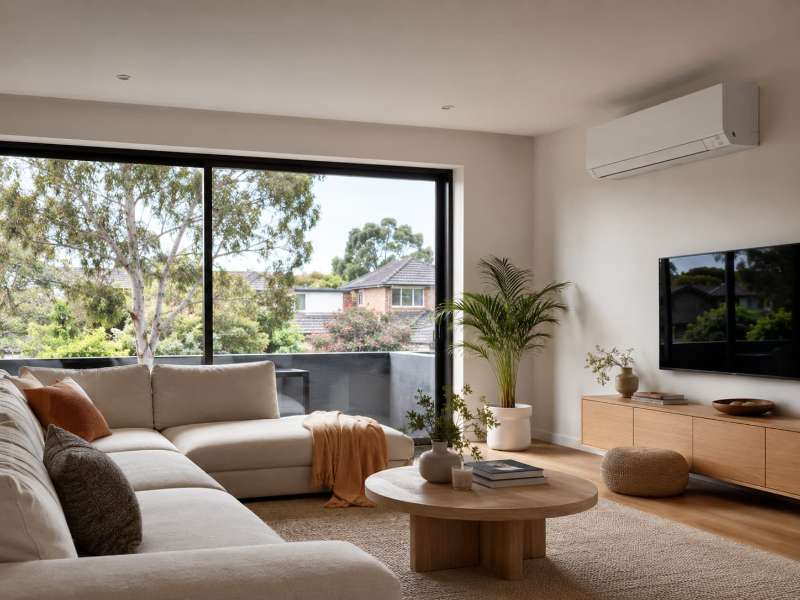
The location of your indoor and outdoor units affects airflow, efficiency, and long-term performance. Poor placement can lead to uneven cooling and higher operating costs.
When planning installation, consider:
Airflow direction within the room
Distance from direct sunlight or heat sources
Noise levels near bedrooms or living areas
Access for future servicing and maintenance
A well-positioned system works more effectively and places less strain on the equipment.
Check Your Home’s Electrical Capacity
Air conditioning systems place additional demand on your electrical system. Older homes may need switchboard upgrades or circuit adjustments before installation can proceed safely.
An electrician can inspect your setup and identify:
Whether your current switchboard can handle the load
If dedicated circuits are required
Any outdated wiring that may need replacement
Addressing these issues early helps avoid electrical faults later.
Focus on Energy Efficiency
Running costs are a major consideration for most households. Choosing an energy-efficient air conditioning system can reduce long-term electricity expenses while maintaining indoor comfort.
To improve efficiency:
Choose systems with strong energy ratings
Use zoning features where available
Keep doors and windows sealed during operation
Combine cooling with proper insulation and shading
These factors help reduce unnecessary energy use throughout the year.
Plan for Melbourne’s Climate
Melbourne experiences both hot summers and cold winters, so many homeowners install reverse-cycle systems that provide heating and cooling in one unit.
This option allows you to:
Use the same system year-round
Reduce reliance on separate heaters
Maintain more consistent indoor temperatures
A reverse-cycle air conditioner can be practical for homes looking for a single climate control solution.
Don’t Overlook Ventilation
Good airflow matters when installing air conditioning. Rooms with poor ventilation can feel uneven in temperature and place more strain on the system.
You can improve airflow by:
Keeping vents clear of furniture
Using ceiling fans to support circulation
Maintaining clean filters and ducts
These small adjustments support better system performance and indoor comfort.
Work with Licensed Professionals
Air conditioning installation involves both electrical and refrigeration work, which must be completed by licensed professionals. Incorrect installation can reduce efficiency, increase running costs, and create safety issues.
A qualified installer can help with:
System selection based on your home size
Safe electrical connections
Correct positioning of indoor and outdoor units
Testing the system after installation
Professional installation also helps protect manufacturer warranties and compliance requirements.
Consider Long-Term Maintenance
Air conditioning systems require regular servicing to keep them operating properly. Dust, blocked filters, and worn components can reduce efficiency over time.
Routine maintenance helps:
Maintain airflow and cooling performance
Reduce energy consumption
Extend the lifespan of the system
Identify small issues before they become larger repairs
Servicing is especially important before peak summer and winter periods.
Common Installation Mistakes to Avoid
Some installation issues can affect comfort and increase energy use from the beginning.
Common mistakes include:
Choosing the wrong system size
Installing units in poor locations
Ignoring insulation and airflow
Delaying electrical upgrades when needed
Planning properly before installation can help avoid unnecessary costs later.
Final Thoughts
Air conditioning installation is more than choosing a unit and placing it on a wall. The right setup depends on your home layout, electrical system, and how you use your living spaces. Careful planning and professional installation help improve comfort, efficiency, and long-term reliability.
Get in touch with us if you're in search of professional air conditioning installation services for your Melbourne home: https://www.directpointelectrical.com.au/