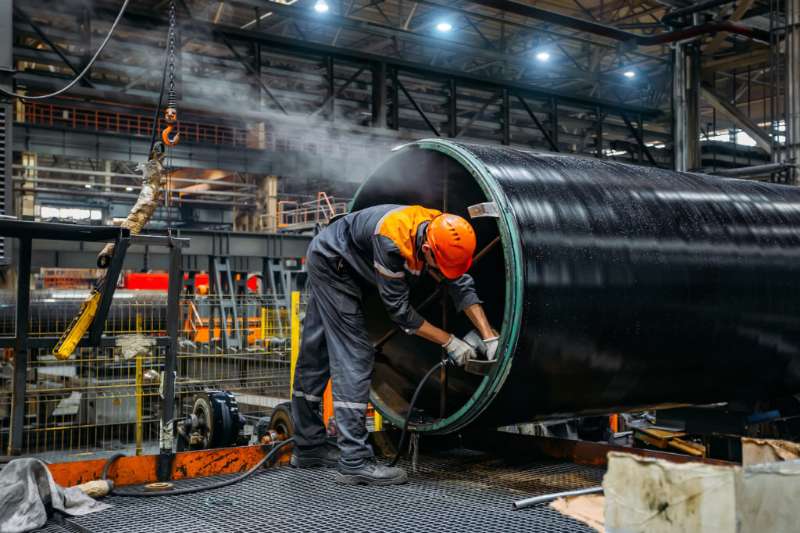
Pressure vessels is essential components of a variety of industrial processes, ensuring the safe and efficient operation of the system. To ensure they are consistently performing as intended, pressure vessels must be inspected regularly.
This comprehensive guide covers the different types of pressure vessel inspections, the benefits of performing them, and the safety measures that must be taken for each. It explains the different inspection methods, the various codes and standards that govern them, and the necessary qualifications and certifications for the personnel performing the inspections. Whether you're a certified inspector, a facility manager, or a new engineer, this guide will provide you with the information and resources you need to stay informed and compliant.
Benefits of Pressure Vessel Inspections
Pressure vessels must be inspected regularly to ensure they’re performing as intended. Pressure vessel inspection helps prevent leaks, corrosion, and other issues that may negatively affect the vessel’s performance.
It also ensures your vessel is following regulatory codes and standards that ensure safe operation. Here are a few additional benefits of pressure vessel inspections:
Different Types of Pressure Vessel Inspections
Depending on the type of vessel and its intended use, there are different inspection procedures. The most common types of inspections include hydrostatic, mechanical, internal, external, and wall thickness.
Here’s a brief overview of each one:
Safety Measures for Pressure Vessel Inspections
Because pressure vessel inspections involve the opening of the vessel, you must take special precautions to ensure the safety of the inspector and the surrounding environment.
Here are a few necessary safety measures: For an inspection to be successful, all safety precautions must be followed. If an inspector is careless and negligent, it could result in a dangerous situation or an inaccurate report. In the most extreme cases, an inspector’s negligence could result in an accident that causes serious injury or death.
Codes and Standards Governing Pressure Vessel Inspections
As you’re preparing for your pressure vessel inspection, you should be aware of certain codes and standards that will be applied to your vessel. Here are some of the most common codes and standards used during inspections: The Society of Automotive Engineers (SAE) codes are used to classify pressure vessels according to their design and intended use. Codes apply to both new and used vessels. It’s important to know the type of code that applies to your vessel, as this will determine the type of inspection required.
Qualifications and Certifications for Inspectors
First and foremost, a pressure vessel inspector must be knowledgeable about pressure vessels and their design. In addition, they must have a general understanding of the industry they’re inspecting to know what is common practice.
An inspector must also be trained and certified in the type of vessel they’re inspecting. To ensure the safety of the vessel and those around it, an inspector must also be qualified and certified in safety.
Here are a few qualifications and certifications an inspector must have:
Pressure Vessel Inspection Methods
In addition to the various types of inspections, there are several methods of inspecting a pressure vessel. Here are a few of the most common methods:
Resources for Pressure Vessel Inspections
As you prepare for your pressure vessel inspection, here are a few resources you can use to stay informed and prepared: The first step to successful pressure vessel inspections is understanding how they work.
By reading this guide and familiarising yourself with the different types of inspections, you’ll be equipped with the knowledge necessary to prepare for your inspection. Additionally, you can contact a certified inspector and ask any questions you have or want to be clarified. By hiring the right inspector, your next pressure vessel inspection will be successful.
.Origin article: A Comprehensive Guide to Different Types of Pressure Vessels Inspections