
Breast cancer. Just reading those words can make many women worry. And that’s natural.
Nearly everyone knows someone touched by the disease.
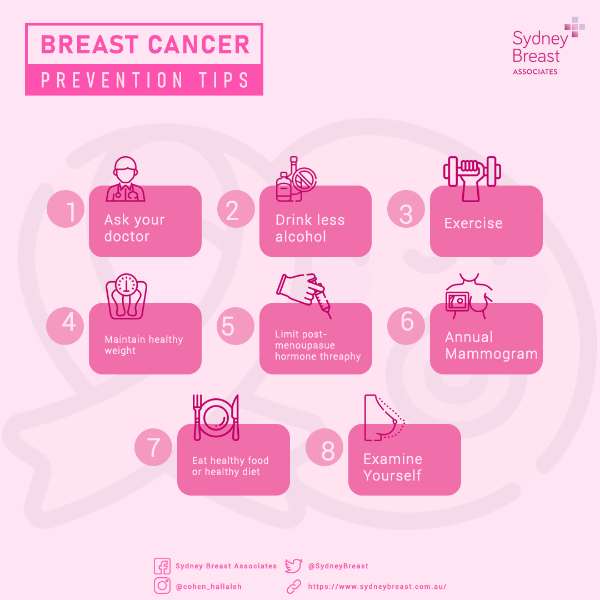
But there is a lot of good news about breast cancer these days. Treatments keep getting better, and we know more than ever about ways to prevent the disease. These eight simple steps can help lower the risk of breast cancer. Not every one applies to every woman, but together they can have a big impact.
1. Ask Your Doctor
It’s important to be able to have frank, open discussions with your GP or cancer care team so that you can make informed treatment and life decisions. Don’t be afraid to take notes and tell the doctors or nurses when you don’t understand what they’re saying. You might want to bring another person with you when you see your doctor and have them take notes to help you remember what was said.
2. Drink Less Alcohol
Regularly drinking even small amounts of alcohol can increase the risk of breast and colon cancer later in life. And binge drinking – having many drinks at one time – has its own dangers: injuries, car crashes, violence and other serious issues. So, not drinking is the best choice. If you do drink, keep it to a drink a day or less, and stay in control.
3. Excercise
Various studies show that women who exercise have a lower risk of breast cancer than those who are sedentary. According to the National Cancer Institute, 4 hours of exercise per week (or just 34 minutes a day) can reduce your breast cancer risk. This can include a wide range of exercises, from walking to weight training to yoga. Research at Roswell Park has also shown an association with better survival for breast cancer in women who exercise. The good news is that the benefits of exercise extend beyond lowering your breast cancer risk. Exercise also lowers your risk for diabetes, heart disease and stroke. It also improves your mood, reduces depression, increases sleep quality, and reduces arthritis symptoms, to name just a few other benefits.
4. Maintain Healthy Weight
Fat tissue contains estrogen, and the more estrogen a woman is exposed to in her lifetime, the higher her risk of breast cancer. An obese woman has a higher risk of developing breast cancer than an overweight woman, and an overweight woman has a higher risk than a lean woman, particularly after menopause. Talk to your doctor about what a healthy weight is for you.
5. Limit Post-Menoupasue Hormone Theraphy
Post-menopausal hormones shouldn’t be taken long term to prevent chronic diseases, like osteoporosis and heart disease. Studies show they have a mixed effect on health, increasing the risk of some diseases and lowering the risk of others, and both estrogenonly hormones and estrogen-plus-progestin hormones increase the risk of breast cancer. If women do take post-menopausal hormones, it should be for the shortest time possible. The best person to talk to about the risks and benefits of post-menopausal hormones is your doctor.
6. Annual Mammogram
Despite some controversy, studies show that breast cancer screening with mammography saves lives. It doesn’t help prevent cancer, but it can help find cancer early when it’s most treatable. For most women, regular mammograms can begin at age 40, but specific recommendations vary by age and risk.
If you are age 40 – 44:
You can choose to begin yearly mammograms. It is important to talk to a doctor about the risk and benefits of mammograms at these ages.
If you are age 45 – 54:
Mammograms are recommended every year.
If you are age 55 or over:
Mammograms are recommended every other year. You can choose to continue to have them every year.
Clinical breast exams and self-exams are not recommended. But you should be familiar with your breasts and tell a health care provider right away if you notice any changes in how your breasts look or feel.
7. Eat Healthy Food or Healthy Diet
Focusing on fruits, vegetables and whole grains – and limiting red and processed meats – helps keep weight in check, lowers the risk of cancer and other diseases, and as a bonus, puts less strain on the environment. For even more benefits, choose water in an eco-friendly bottle over sugary drinks, like soda and energy drinks.
8. Examine Yourself
A breast self-exam for breast awareness is an inspection of your breasts that you do on your own. To help increase your breast awareness, you use your eyes and hands to determine if there are any changes to the look and feel of your breasts.If you notice new breast changes, discuss these with your doctor. Though most breast changes detected during a self-exam for breast awareness have benign causes, some changes may signal something serious, such as breast cancer.
A growing body of research strongly suggests that women who make healthy lifestyle choices can decrease their breast cancer risk. Make sure you are taking steps to reduce your risk. Talk to your doctor, and get your annual mammograms as recommended.