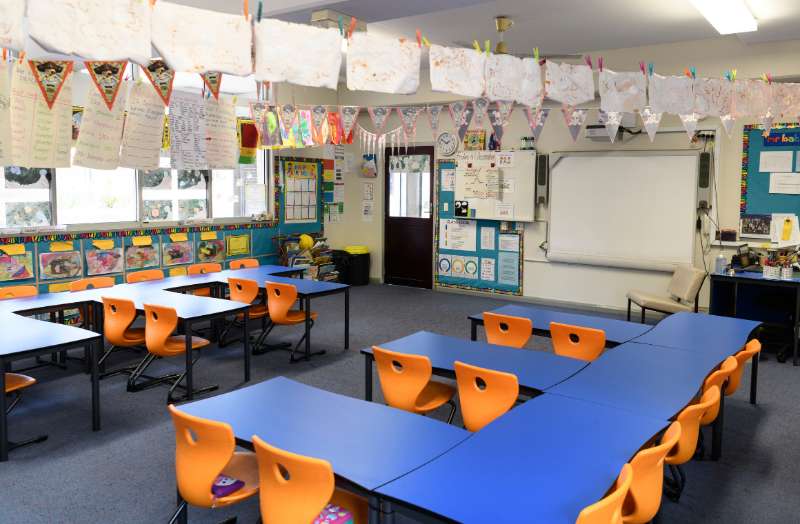
Schools are one of the easiest places for germs to spread — hundreds of students sharing classrooms, desks, washrooms and equipment every day. When cleaning is rushed or inconsistent, illness moves quickly and attendance drops for both students and staff.
Investing in professional school cleaning in Sydney is one of the most effective ways to break that cycle. Here are seven ways proper school cleaning reduces the spread of illness and keeps classrooms healthier.
1. Daily Disinfection of High-Touch Surfaces
Door handles, light switches, desks, taps and shared devices are touched by hundreds of hands a day — and they're where germs spread fastest. Proper school cleaning targets these high-touch points daily with the correct disinfectant, not just a quick wipe.
Consistent disinfection of these surfaces dramatically cuts the transfer of cold, flu and gastro bugs between students.
2. Hygienic, Well-Stocked Washrooms
Handwashing is one of the strongest defences against illness — but only if washrooms are clean and properly stocked. Professional cleaning keeps toilets sanitised, sinks functional, and soap and paper supplies topped up so students can actually wash their hands.
A neglected washroom doesn't just spread germs; it discourages the very habit that prevents them.
3. Focused Attention on Shared, High-Traffic Areas
Libraries, canteens, gyms, computer labs and corridors see constant traffic and shared contact. These spaces need more frequent, more thorough cleaning than a quiet office would.
A structured cleaning program prioritises these zones, reducing the number of contaminated surfaces students pass through during the day.
4. Using the Right Products the Right Way
Disinfectant only works if it's the correct product, applied correctly and left for the right dwell time. Untrained or casual cleaners often spray and wipe immediately, killing far fewer germs than they should.
Professional teams use child-safe, fit-for-purpose products and follow proper procedures — so surfaces are genuinely sanitised, not just smelling clean.
5. Colour-Coded Systems That Prevent Cross-Contamination
One of the biggest hidden risks in schools is cross-contamination — using the same cloth in a washroom and then on a classroom desk.
Professional cleaners use colour-coded cloth and equipment systems that keep bathroom, kitchen and general-area tools strictly separate. This simple discipline stops germs being carried from high-risk areas into the spaces where children learn and eat.
6. Regular Cleaning of Carpets, Mats and Soft Furnishings
Carpets, rugs, reading corners and entrance mats trap dust, allergens and bacteria that hard surfaces don't. Left unattended, they quietly worsen asthma, allergies and illness.
Routine vacuuming with quality equipment, plus periodic deep cleaning, removes these trapped contaminants and improves indoor air quality across the school.
7. Deep Cleans During School Holidays
Term time is for maintenance; holidays are for resetting. School breaks are the ideal window for deep cleaning — steam-cleaning carpets, sanitising every classroom, descaling washrooms and reaching the areas daily cleaning can't. A thorough holiday deep clean breaks the build-up of germs and grime, so each term starts from a genuinely healthy baseline.
The Bottom Line for Schools
Healthy students attend more, and healthy staff teach more. Proper school cleaning isn't just about appearances — it's a direct investment in attendance, wellbeing and peace of mind for parents.
The difference between a casual clean and a professional, systematic program shows up in fewer sick days and a safer environment for everyone on site.
Keep Your School Healthier This Term
Australian Cleaning Care provides compliance-driven school cleaning across Sydney, with WWCC-cleared cleaners, child-safe products and documented quality systems — backed by HACCP, WHS and 5S standards. We also service medical centres and offices to the same standard.
Book a free, no-obligation site inspection and we'll build a cleaning program designed to keep your classrooms healthy all year round.