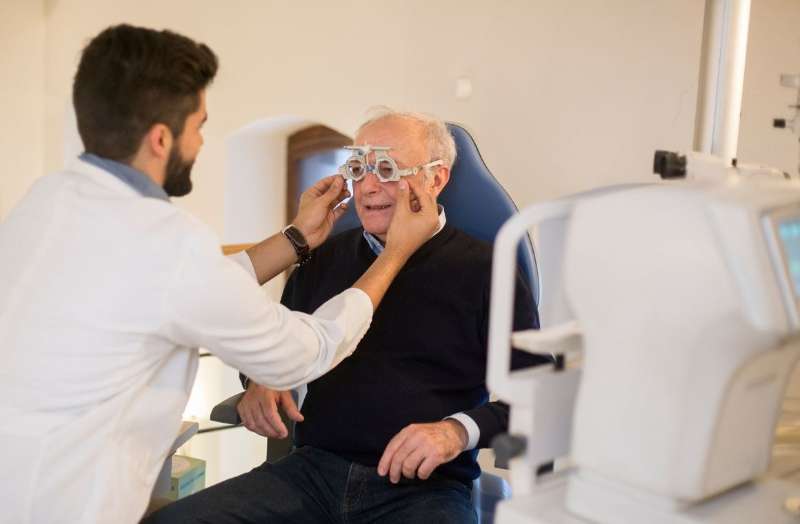
As we age, changes in vision are common, but they should never be overlooked. While some shifts may seem minor, others can indicate underlying eye conditions that require professional care.
According to the Canadian Association of Optometrists, adults over 60 should have regular comprehensive eye exams to maintain eye health and detect issues early. Many serious conditions develop gradually and without obvious symptoms.
Recognizing the warning signs and committing to annual eye checkups can help protect your vision and overall quality of life. In this article, we will explore the key signs that indicate you may need a senior eye exam and explain why annual eye checkups are essential for preserving your vision as you age.
Read Also: Don’t Wait! 5 Critical Signs You Need Retinal Imaging Immediately
5 Signs You Need a Senior Eye Exam Immediately
1. Blurry or Fluctuating Vision
Blurred vision or frequent changes in clarity may signal more than just the need for updated glasses.
Possible causes include:
- Cataracts
- Age related macular degeneration
- Diabetic eye disease
These conditions can develop slowly and may not be immediately noticeable without a comprehensive eye exam. Early detection is key to preventing further vision loss.
2. Increased Sensitivity to Light
If bright lights feel uncomfortable or glare becomes more noticeable, especially while driving at night, it may be a sign of changes within the eye.
This can be associated with:
- Cataracts
- Dry eye syndrome
- Natural aging of the eye’s lens
Light sensitivity can impact daily activities and may worsen over time if left untreated.
3. Persistent Dry, Itchy, or Burning Eyes
Dry eye syndrome is common among seniors due to reduced tear production and environmental factors.
Symptoms may include:
- Burning or stinging
- Redness and irritation
- A gritty sensation in the eyes
While often overlooked, chronic dry eye can affect both comfort and visual clarity, making everyday tasks more difficult.
4. Difficulty Seeing at Night
Struggling with night vision or noticing halos around lights can indicate underlying eye conditions.
Common causes include:
- Cataracts
- Reduced contrast sensitivity
- Retinal changes
This can significantly affect safety, especially when driving or navigating low light environments.
5. Frequent Headaches or Eye Strain
Recurring headaches or eye fatigue, especially after reading or screen use, can be linked to vision problems.
These symptoms may result from:
- Outdated prescriptions
- Eye muscle strain
- Uncorrected refractive errors
If your eyes are working harder than they should, it is a clear sign that an eye exam is needed.
Read Also: Constant Watery Eyes? Here Are 5 Reasons, Causes of Epiphora and How to Fix Them
Why Annual Eye Checkups Are Important for Seniors
Annual eye exams play a vital role in preventive healthcare. They allow optometrists to detect and monitor conditions that may not show symptoms until vision is already affected.
These include:
- Glaucoma
- Macular degeneration
- Diabetic retinopathy
Regular senior vision care Toronto helps ensure early intervention, better treatment outcomes, and long term vision preservation.
When Should You Book an Eye Exam
For adults aged 60 and older:
- Schedule an eye exam at least once per year
- Book sooner if you notice any changes in your vision
Individuals with existing health conditions or a family history of eye disease may require more frequent monitoring.
Read Also: What Happens During Your Child’s Eye Exam? What All Parents Should Know
Protect Your Vision with Expert Senior Eye Exams in Toronto
Your vision affects every part of your daily life, from reading and driving to maintaining independence.
If you have noticed any of these signs, do not wait. Early detection can make a meaningful difference in protecting your eyesight.
At EyeLike Saigon Optical, our experienced optometrists provide comprehensive senior eye exams using advanced diagnostic technology and personalized care tailored to your needs.
BOOK AN APPOINTMENT IN DOWNTOWN
BOOK AN APPOINTMENT IN YONGE & FINCH
BOOK AN APPOINTMENT IN DOWNSVIEW
Frequently Asked Questions (Senior Eye Exams & Dry Eye Treatment)
How often should seniors get an eye exam?
Seniors aged 60 and older should have a comprehensive eye exam at least once a year. Regular checkups help detect conditions like glaucoma, cataracts, and macular degeneration early, even before symptoms appear.
Are eye exams covered by OHIP for seniors in Ontario?
Yes, eye exams are covered by OHIP for seniors aged 65 and older in Ontario. Coverage typically includes one comprehensive eye exam every 12 months, along with additional visits for specific medical eye conditions when required. It is recommended to confirm eligibility and coverage details with your optometrist.
What is included in a senior eye exam?
A senior eye exam typically includes a full vision assessment, eye pressure testing, retinal evaluation, and screening for age-related eye conditions. Advanced diagnostic tools may also be used to provide a more detailed analysis of your eye health.
What are the early signs that I need an eye exam?
Common signs include blurry vision, difficulty seeing at night, light sensitivity, dry or irritated eyes, and frequent headaches. If you notice any of these symptoms, it is recommended to book an eye exam as soon as possible.
Do you offer dry eye treatment?
Yes, EyeLike Saigon Optical provides professional dry eye assessments and treatment options tailored to your condition. This includes identifying the root cause of dryness and recommending solutions beyond over-the-counter eye drops.
When should I seek treatment for dry eyes?
If you experience persistent dryness, burning, redness, or a gritty sensation in your eyes, it is time to seek professional care. Chronic dry eye can worsen over time if left untreated.
Are dry eyes common in seniors?
Yes, dry eye syndrome is very common in older adults due to reduced tear production and environmental factors. Proper diagnosis and treatment can significantly improve comfort and vision quality.
Can an eye exam detect other health conditions?
Yes, comprehensive eye exams can help detect early signs of systemic conditions such as diabetes and high blood pressure, as well as serious eye diseases that may not show symptoms initially.
How long does a comprehensive eye exam take?
A typical eye exam takes about 30 to 60 minutes, depending on your needs and whether additional tests are required.
Do I need to book an appointment in advance?
Yes, it is recommended to book an appointment in advance to ensure availability and allow enough time for a thorough examination.
How can I book a senior eye exam or dry eye consultation?
You can easily book your appointment online through our website or contact our clinic directly for assistance.