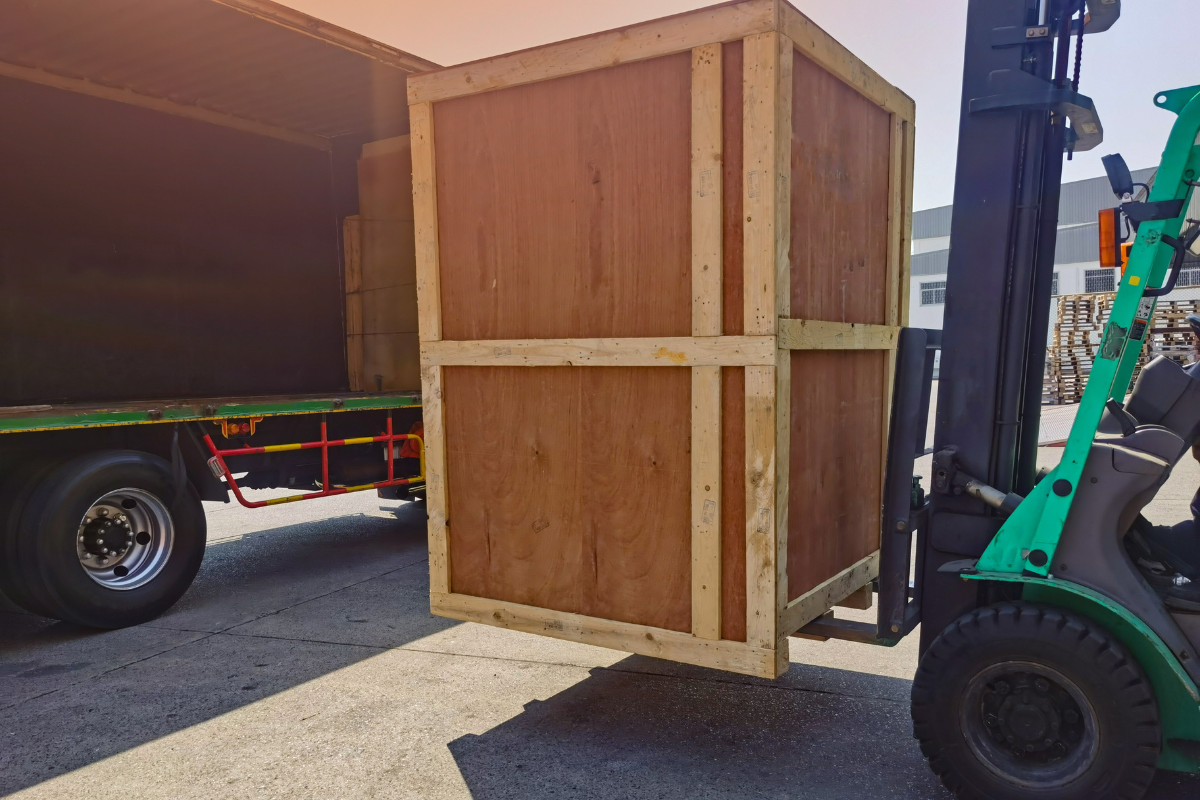
(Feature Image: Wooden crates for sustainable freight packaging. Credit: Weerayuth Kanchanacharoen/Getty Images)
If the world runs on logistics, then it’s supported by packaging. Freight operators are under growing pressure to balance performance with environmental responsibility. Plastic, cardboard, and composite materials will likely always have their place.
But when it comes to truly sustainable freight packaging, the humble wooden crate continues to lead the way.
Wooden crates have quietly powered global trade for decades. From boutique wineries to major export operations, timber packaging remains the backbone of reliable, responsible freight. While new materials rise and fall in popularity, wood endures. Here’s why.
A renewable material that outperforms expectations
Wood is one of the few naturally renewable materials used at scale in freight packaging. Responsibly sourced timber comes from managed plantations that are continually replenished, keeping supply sustainable and emissions low. Compared to plastic and metal alternatives, timber requires significantly less energy to produce and process, making its life cycle far more efficient.
It also performs beautifully under pressure. Timber crates are strong, naturally shock-absorbent, and adaptable for almost any type of load. They protect valuable cargo from impact, humidity, and shifting temperatures, whether you’re sending bottles of Barossa shiraz or precision-machined equipment across the country.
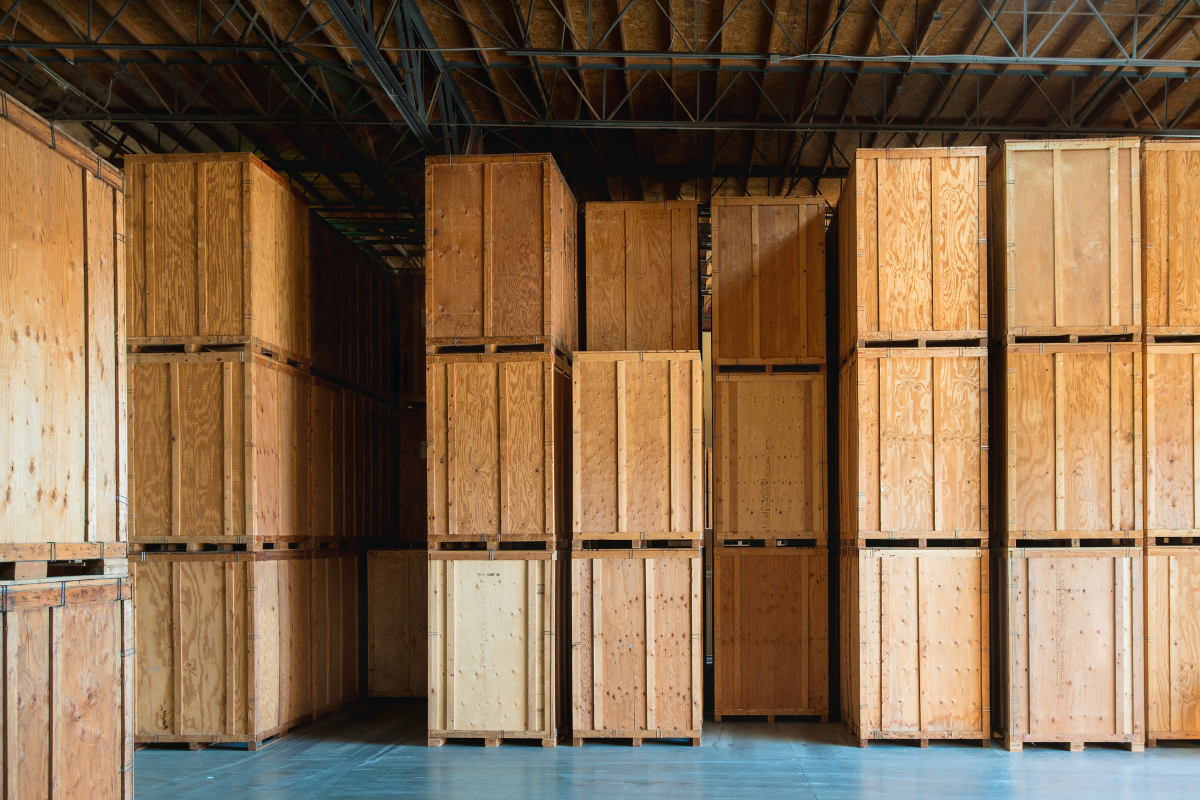
(Image: Durable timber crates for storage and transport. Credit: veeterzy/Canva)
Built to be used again and again
Single-use packaging is falling out of favour, and for good reason. Timber crates are designed to be reused. With minimal maintenance, they can last through multiple transport cycles, saving businesses money while reducing waste. Even when they reach the end of their practical life, the timber can be recycled or repurposed into new crates, pallets, or furniture.
That’s where companies like Born Again Pallets come in, specialising in high-quality wholesale wooden crates and cases built from recycled or hybrid materials. Their approach extends the lifespan of existing timber, keeping it in circulation rather than sending it to landfill. It’s a perfect example of how circular economy thinking can align with commercial outcomes.
Natural ventilation for perishable goods
There’s also a practical reason timber crates remain popular with food and wine producers: airflow. The slatted construction of wooden crates allows air to circulate freely around the cargo, keeping produce fresher for longer.
Fresh fruit, vegetables, baked goods, and even bottled beverages benefit from breathable packaging that prevents condensation and mould. This natural ventilation reduces spoilage and waste, which further enhances the sustainability profile of timber packaging.
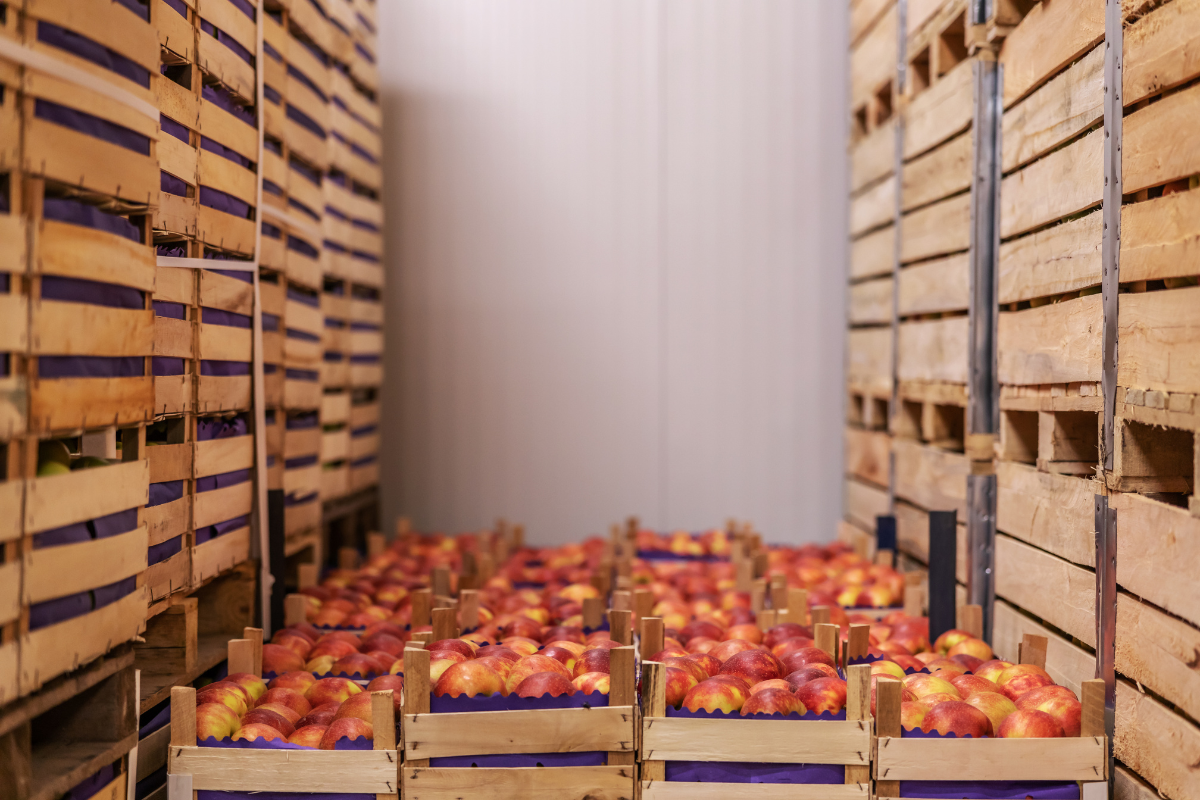
(Image: Ventitation for perishable goods. Credit: dusanpetkovic/Getty Images)
Repairable, recyclable, and reliable
Plastic crates may crack. Metal boxes may dent. But wooden crates can be repaired. A cracked slat or damaged corner doesn’t send the whole unit to the scrap pile. It can be replaced easily with a small piece of reclaimed timber. This ability to repair and reuse makes timber the ultimate long-term packaging investment.
At the end of their lifespan, wooden crates can be broken down and reused again. Offcuts and damaged sections are often turned into mulch, particleboard, or new pallets, ensuring that every piece of timber is used to its fullest potential.
A sustainable statement
For many businesses, the choice to use timber packaging is as much about brand identity as it is about practicality. Customers notice when companies choose sustainable, natural materials. Wooden crates have a timeless appeal that signals craftsmanship and care. These are all qualities that resonate in industries like wine, food, and manufacturing.
In Adelaide and across South Australia, timber packaging has become a hallmark of regional pride. Producers are rediscovering that sustainability doesn’t mean compromise. It means doing more with less and making smarter use of the materials already in circulation.
Stronger by nature
Wooden crates are more than a transport solution. They are a statement of durability, sustainability, and trust. In a global freight environment chasing greener outcomes, wood continues to outperform in both practicality and perception.
It’s renewable. It’s repairable. And it’s ready to carry the next generation of Australian exports forward: safely, sustainably, and in style.