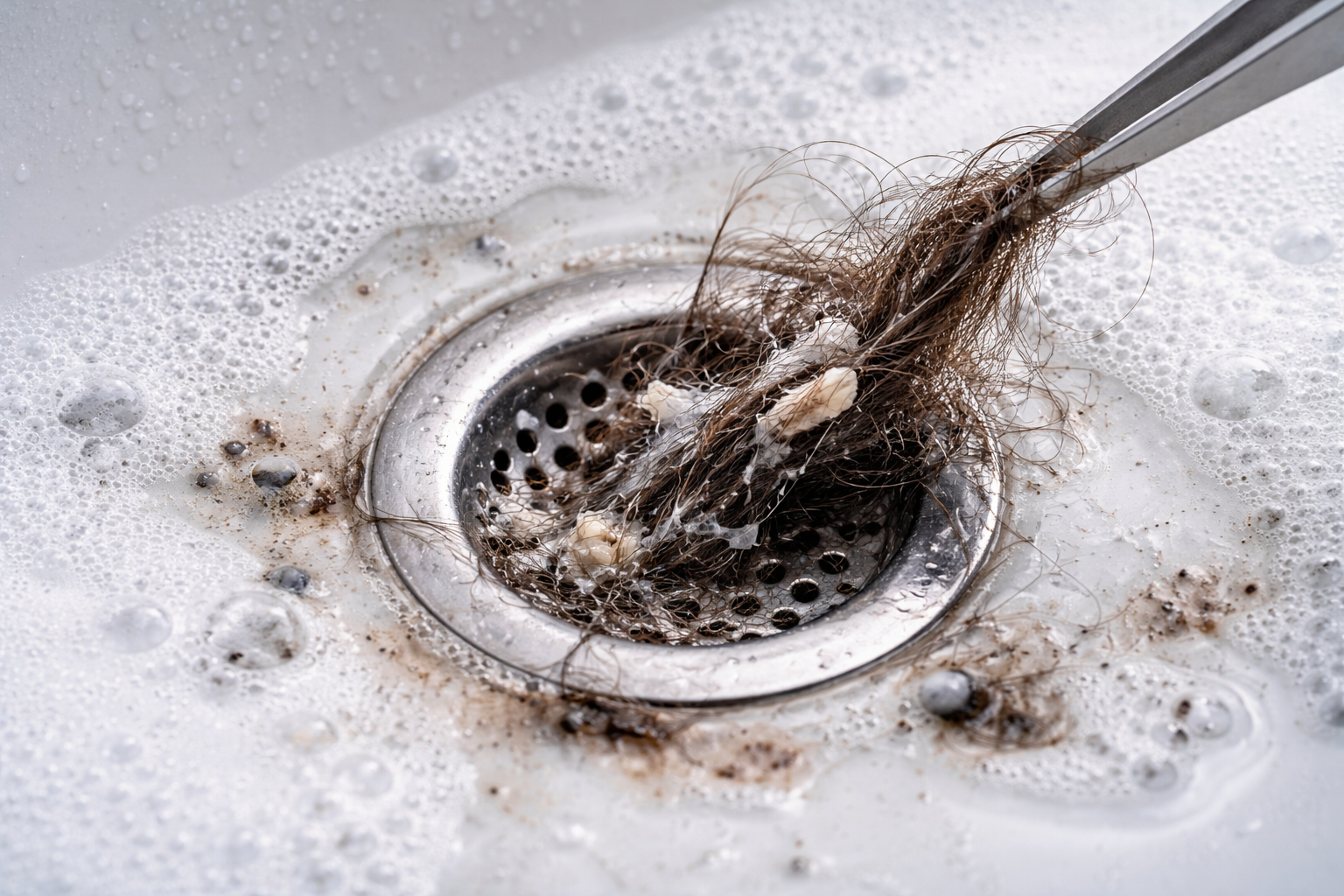
Few household annoyances are as persistent — or as unpleasant — as a blocked bathroom drain. One day the water is flowing freely; the next, you’re standing ankle-deep in the shower, watching it pool around your feet.
Bathroom drains are particularly prone to blockages, and the reasons are more complex than many homeowners realise. While some clogs are minor and easily resolved, others can signal deeper issues within your plumbing system — sometimes requiring professional diagnostics such as a CCTV drain inspection in Brisbane to identify what’s really going on beneath the surface.
Understanding why bathroom drains block so easily is the first step toward preventing the problem altogether.
Why Bathroom Drains Are So Vulnerable to Blockages
Bathroom drains deal with a unique combination of materials that make them especially susceptible to build-up.
Hair: The Primary Culprit
Hair is the most common cause of blocked shower and basin drains. On its own, a strand of hair may seem harmless — but once it enters the pipework, it binds together with soap residue, toothpaste, shaving cream and other debris. Over time, this forms a dense, tangled mass that traps even more particles. The result? A stubborn clog that restricts water flow and worsens with every shower.
Soap Scum and Product Residue
Many soaps, shampoos and body washes contain fats and oils. When these combine with minerals in the water, they create a sticky substance known as soap scum. This residue clings to the inside of pipes, gradually narrowing the passage for water. Add hair into the mix, and you have the perfect conditions for a blockage.
Toothpaste and Grooming Products
Bathroom basins aren’t just used for washing hands. Toothpaste, beard trimmings, skincare products and even small amounts of dental floss often make their way down the drain. These materials don’t always dissolve as easily as people assume. Over time, they accumulate and contribute to slow drainage or complete obstruction.
Foreign Objects
In households with children, small toys, cotton buds, wipes or sanitary products can accidentally end up in the toilet or floor drain. Even products labelled “flushable” may not break down quickly enough to prevent blockages. Once lodged in pipework, these items can catch other debris and create a larger obstruction further down the line.
Structural or External Issues
Sometimes, the problem isn’t inside the bathroom at all. Tree roots can infiltrate underground pipes, joints may shift with soil movement, or older pipes may corrode and collapse internally. In these cases, surface fixes won’t solve the issue. Persistent blockages, recurring slow drains, or gurgling noises may indicate a deeper problem within the system.
Early Warning Signs of a Developing Blockage
Catching a blockage early can save you from expensive repairs later. Look out for:
- Slow draining water in the shower or basin
- Unpleasant odours coming from the drain
- Gurgling sounds after water flows
- Water backing up in nearby fixtures
- Recurring clogs despite cleaning
If these symptoms persist, professional assessment may be necessary to determine whether the issue lies within the branch pipes or the main sewer line.
How to Prevent Bathroom Drain Blockages
The good news is that most bathroom drain issues are preventable with a few simple habits.
- Install Drain Screens: A basic hair catcher in the shower or basin can dramatically reduce the amount of debris entering your pipes. Clean it regularly to prevent overflow.
- Avoid Pouring Greasy or Oily Products Down the Drain: Even in small quantities, oils and heavy conditioners can contribute to pipe build-up. Dispose of excess products in the bin instead.
- Be Mindful of What You Flush: Only human waste and toilet paper should be flushed. Items such as wipes, cotton buds and sanitary products belong in the rubbish — regardless of marketing claims.
- Regular Maintenance Flushing: Periodically flushing drains with hot (not boiling) water can help loosen minor residue before it solidifies. A mild mixture of bicarbonate of soda and vinegar can also assist in breaking down light build-up — though it won’t resolve major clogs.
- Schedule Preventative Plumbing Inspections: For older homes or properties with a history of recurring blockages, preventative inspection is a smart investment. Modern diagnostic tools allow plumbers to pinpoint the exact cause of a problem without invasive digging.
When DIY Isn’t Enough
Chemical drain cleaners may offer a temporary fix, but repeated use can damage pipes and rubber seals. If your drain blocks repeatedly despite cleaning, it’s likely that the root cause hasn’t been addressed. Professional plumbers use specialised equipment to clear stubborn obstructions safely and thoroughly. In more complex cases, camera technology can assess the internal condition of the pipes, identifying cracks, root intrusion or structural collapse that wouldn’t otherwise be visible.
The Bottom Line
Bathroom drains block so easily because they’re exposed to the perfect storm of hair, soap residue, grooming products and occasional foreign objects. While minor clogs are common, recurring issues shouldn’t be ignored. With a few preventative habits — and professional support when needed — you can keep your bathroom plumbing flowing smoothly and avoid the frustration of unexpected blockages.
After all, prevention is far simpler (and far less messy) than dealing with a full-scale plumbing emergency.