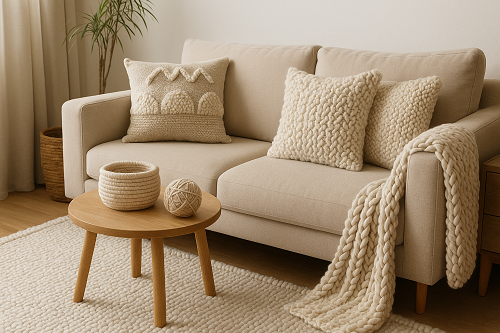
In a world increasingly focused on sustainability, Australians are taking a closer look at what makes their homes healthier, greener, and more natural. From energy-efficient appliances to zero-waste packaging, every corner of the home is being re-evaluated—and now, so is the humble wool product. Once considered old-fashioned or limited to country quilts, Australian wool is experiencing a revival in modern households, and companies such as Woolstar (woolstar.com.au) are leading the charge. With a renewed emphasis on ethical sourcing, climate-conscious living, and home comfort, wool has firmly reclaimed its place in the contemporary lifestyle conversation.
Whether it’s bedding, insulation, or soft furnishings, wool is being celebrated not just for its warmth, but for its eco-credentials and timeless appeal. Unlike synthetic fibres that contribute to microplastic pollution and don’t biodegrade, Australian wool is renewable, biodegradable, and impressively durable. It’s this trifecta of benefits that’s making wool products the centrepiece of a new movement—one that blends heritage craftsmanship with 21st-century sustainability.
Wool Bedding Is Redefining Sleep Sustainability
The bedroom is often the starting point for eco-conscious consumers making sustainable changes. Bedding made from Australian wool is now widely recognised as a smart, natural choice for those looking to reduce their carbon footprint without compromising on comfort. Unlike synthetic duvets and polyester-filled pillows that trap heat and often result in uncomfortable sleep, wool regulates body temperature and wicks moisture, keeping sleepers cool in summer and warm in winter.
This thermoregulating property of wool is not just a luxury—it’s a health benefit. Good sleep relies on consistent body temperature, and wool achieves this naturally, without the use of harmful chemicals or synthetic materials. Brands such as Woolstar are gaining popularity for their commitment to 100% Australian-grown wool, offering traceable, ethical bedding ranges that allow customers to know exactly where their wool comes from.
Even more compelling is wool’s hypoallergenic quality. Dust mites, mould, and bacteria struggle to thrive in wool bedding, making it ideal for asthma or allergy sufferers. And unlike foam or feather alternatives, wool doesn’t off-gas volatile organic compounds (VOCs), which can disrupt indoor air quality. These practical advantages, paired with the longevity and biodegradability of wool, make it the clear choice for sustainable sleep.
Wool in Home Insulation Is a Quiet Revolution
Beyond bedding, wool is also making waves in architectural sustainability. Wool insulation is becoming a go-to material for eco-conscious builders and renovators across Australia. As households seek to minimise energy use, maintain indoor comfort, and reduce environmental impact, wool’s natural insulating properties are proving highly effective—and surprisingly modern.
Wool insulation offers excellent thermal resistance, comparable to conventional fibreglass or synthetic alternatives, but with a fraction of the environmental toll. It also outperforms synthetics in sound absorption, creating quieter, more peaceful indoor environments. This makes it ideal not just for external walls and ceilings, but also for internal partitions in multi-use homes or home offices.
One of wool’s standout features is its safety. Unlike traditional insulation products that can irritate the skin or respiratory system, wool is non-toxic, fire-resistant, and completely safe to install without protective gear. It also has the unique ability to absorb and release moisture without losing its insulation value—a benefit in Australia’s diverse and often humid climate.
Decorative Wool Furnishings Are Elevating Interiors
Style and sustainability don’t need to be at odds—and nowhere is this more evident than in the growing market for wool-based soft furnishings. From handwoven rugs and textured throws to contemporary upholstery, Australian wool is being woven into interior design schemes that are as chic as they are eco-conscious.
Wool textiles offer a depth of colour, texture, and craftsmanship that synthetic alternatives struggle to replicate. Designers are increasingly using wool in accent pieces that provide warmth, natural tactility, and a nod to heritage. And thanks to its innate stain resistance and durability, wool is remarkably practical for everyday use—particularly in high-traffic areas such as living rooms or children’s bedrooms.
What sets wool apart, however, is its contribution to healthier indoor air. Wool actively absorbs airborne pollutants such as formaldehyde, nitrogen oxides, and sulphur dioxide, helping to purify the air within enclosed spaces. This makes it a powerful addition to any home seeking to boost wellness and reduce the long-term impact of synthetic furnishings.
Australian artisans and eco-conscious brands are reviving traditional weaving and felting techniques with a modern twist, using wool not only as a material but as a design statement. The results are pieces that tell a story—of provenance, craftsmanship, and sustainability—and that resonate with consumers seeking authenticity in their homes.
Wool in Children’s Products Combines Comfort with Consciousness
Parents are some of the most discerning consumers when it comes to materials, especially those used in children’s bedrooms or play areas. Wool has re-emerged as a trusted favourite for everything from baby blankets to kids’ mattresses and plush toys. Its gentle, non-toxic nature offers peace of mind, especially in an age when concerns about synthetic chemicals and allergens are high.
Australian wool is particularly valued in infant sleep products due to its softness and ability to regulate body temperature. Newborns and toddlers, who are still developing their ability to self-regulate heat, benefit greatly from the even warmth that wool provides. Unlike synthetic counterparts, wool also breathes, reducing the risk of overheating—one of the factors linked to sleep disturbances in young children.
Many parents are also drawn to wool for its longevity and sustainability. While children quickly outgrow clothes and toys, quality wool products can be passed down to siblings or repurposed, reducing waste. With brands such as Woolstar offering traceable, ethically made children’s bedding and comforters, families can invest in wool with confidence—knowing it supports local industry while protecting the planet for future generations.
The Circular Life Cycle of Wool Is Winning Over Eco-Conscious Shoppers
One of wool’s most powerful attributes is its alignment with the principles of a circular economy. Unlike synthetics that rely on fossil fuels and persist in the environment for centuries, wool is both renewable and biodegradable. Sheep grow a new fleece every year, and when wool products reach the end of their life, they can be composted—returning nutrients to the soil without leaving a trace of microplastic pollution.
This zero-waste potential is attracting a new generation of environmentally savvy consumers who are questioning the lifecycle of everything they purchase. Wool offers a compelling story: grown on Australian farms, processed using low-impact methods, and eventually returning to the earth in a safe, natural way. It’s a material that reflects the full loop of sustainability—not just in theory, but in practice.
Conclusion: Wool’s Renaissance Is a Return to What Matters
Australian wool’s resurgence isn’t just a design trend—it’s a deeper reconnection with values that matter. In a world crowded with synthetic shortcuts and mass-produced goods, wool offers a return to natural comfort, local craftsmanship, and environmental responsibility. From bedding and insulation to furnishings and children's essentials, wool is proving its place in the homes of tomorrow—not just because it’s beautiful, but because it’s better.
With sustainable living becoming more mainstream, and with companies such as Woolstar (woolstar.com.au) making it easier to access traceable, high-quality Australian wool products, it’s no wonder this timeless material is finding fresh relevance. As we look for smarter ways to live well and tread lightly, wool is reminding us that sometimes, the most forward-thinking solution is one that’s been around for centuries.