Choosing the right skin cancer clinic in Victoria Point is an important step towards taking care of your skin health. Australia experiences high levels of ultraviolet (UV) radiation, making awareness of skin cancer and early detection particularly important. Whether you have noticed a changing mole, have a history of sun exposure, or want professional advice about your skin, selecting a suitable clinic can help you understand your risk and the next steps. Before booking an appointment, it is worth checking the clinic's medical expertise, examination methods, available services, and approach to patient care.
1. Check the Medical Experience and Qualifications
One of the first things to investigate is the experience and qualifications of the healthcare professionals performing skin examinations. Skin cancer assessments require medical knowledge to identify suspicious lesions, distinguish between different skin conditions, and determine whether further investigation is necessary.
Look for Relevant Clinical Training
Ask whether the practitioner has experience in skin cancer assessment and whether they have completed additional training in skin lesion examination. Some general practitioners undertake further education in skin cancer medicine, which can support their ability to assess suspicious spots and recommend appropriate care.
It is also useful to understand whether the clinic can arrange referrals to dermatologists or other specialists when required. A clear referral pathway helps patients access additional medical assessment if a lesion needs further investigation.
Ask About the Examination Process
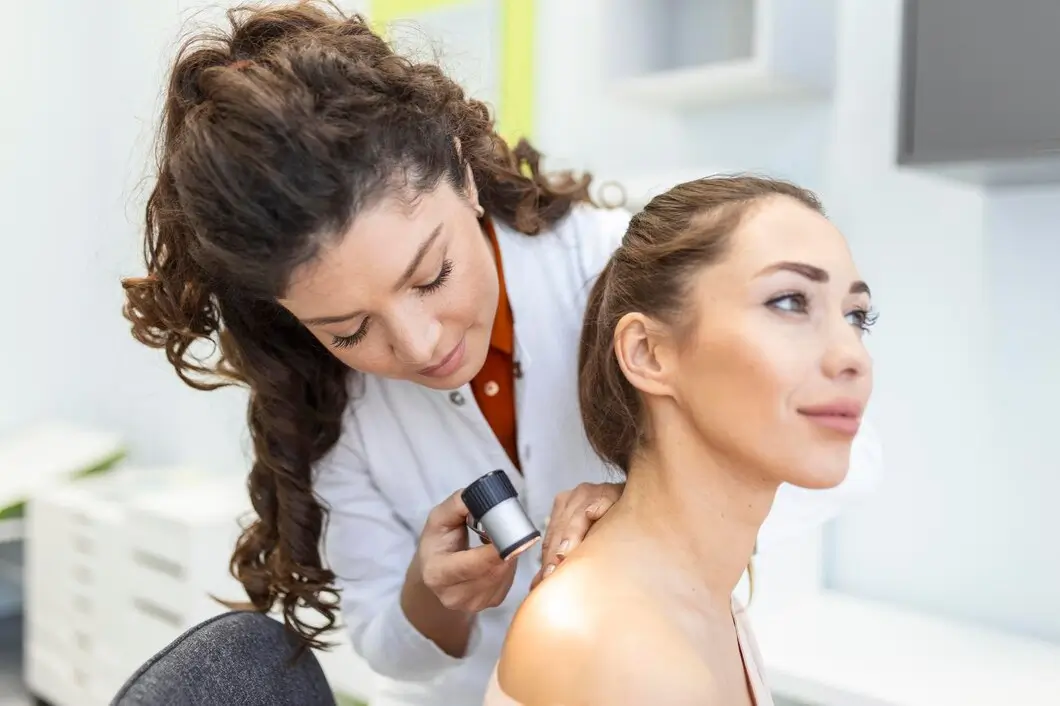
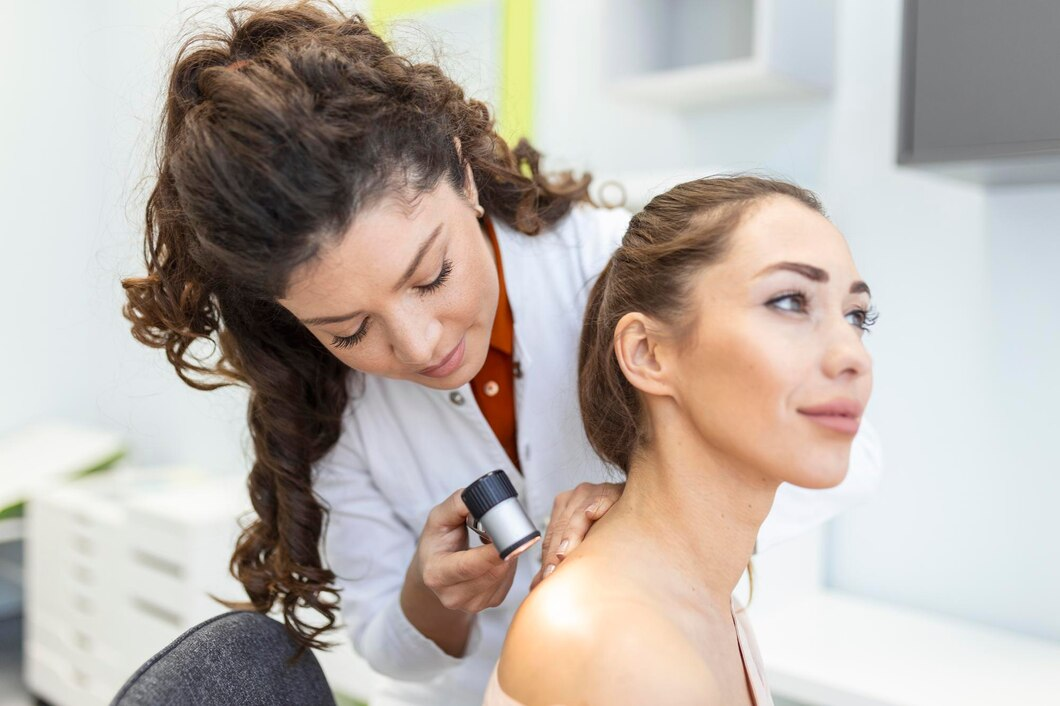
A professional skin check should involve more than a quick look at one mole. Depending on your circumstances, the practitioner may examine different areas of your body, ask about your medical history, and assess individual spots using specialised equipment.
Before booking, ask what the examination includes and whether you should prepare any information about previous skin conditions or treatments.
2. Choose a Clinic Offering Comprehensive Skin Examinations
Skin cancer can develop on different parts of the body, including areas that receive limited direct sunlight. A comprehensive examination may therefore be more useful than checking only the spots that are immediately noticeable.
Understand What a Full Skin Check Covers
A full skin examination may include the scalp, face, neck, torso, arms, hands, legs, feet, and other areas where lesions can develop. Your practitioner may also ask about spots that have recently changed or caused discomfort.
Before attending, consider making a note of any new moles, unusual marks, or persistent sores. This information can help the practitioner understand your concerns and determine which areas require closer attention.
Ask Whether Specialised Equipment Is Used
Some clinics use a dermatoscope, a handheld device that provides magnification and lighting to help examine skin lesions in greater detail. This can assist a trained practitioner in assessing features that may not be easily visible during a standard visual examination.
The equipment used will depend on the clinic and the nature of your appointment. Ask whether additional imaging or testing may be recommended if a suspicious spot is identified.
3. Consider Access to Mole Mapping and Digital Monitoring
People with numerous moles, a history of skin cancer, or other risk factors may benefit from a more structured approach to monitoring their skin. Photography and digital records can help healthcare professionals compare lesions over time.
How Mole Mapping Supports Skin Monitoring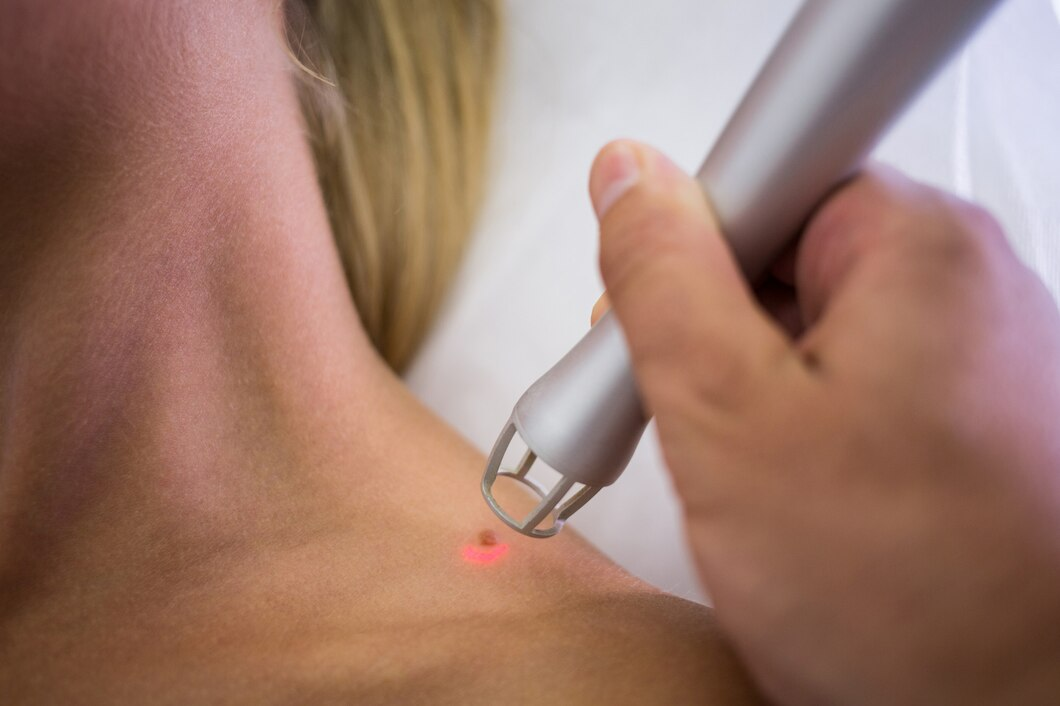
Mole mapping in Victoria Point may be worth discussing with a practitioner if you have multiple moles or need ongoing monitoring. Mole mapping generally involves recording images of the skin so that changes in existing lesions or the appearance of new spots can be assessed during future examinations.
This approach can provide a useful reference when monitoring skin changes. However, photography does not replace a clinical examination, and not every patient will require total-body mapping.
Ask Whether Follow-Up Comparisons Are Available
Before booking, find out how the clinic stores and reviews images, whether previous photographs can be compared during later appointments, and how often follow-up assessments may be recommended.
The appropriate monitoring schedule depends on individual risk factors and medical history. People with a higher risk of melanoma may need more frequent professional examinations, as advised by their doctor.
4. Review the Clinic's Approach to Suspicious Skin Lesions
An important consideration is what happens if the practitioner identifies a spot that requires further investigation. A suitable clinic should be able to explain the available assessment options and discuss the next steps clearly.
Ask About Biopsies and Further Testing
If a lesion appears suspicious, the practitioner may recommend a biopsy or removal for laboratory examination. A biopsy involves collecting a small tissue sample to help determine whether abnormal or cancerous cells are present.
Not every unusual-looking spot requires a biopsy. The decision depends on the clinical assessment, and the practitioner should explain why a particular investigation is recommended.
Understand Referral and Treatment Options
Some skin conditions may require specialist assessment or treatment beyond the services available at the initial clinic. Ask whether referrals can be arranged and how you will receive information about your results.
Knowing how the clinic manages follow-up care can make the process clearer if additional treatment or investigation is necessary.
5. Check Appointment Availability and Clinic Location
Convenience is another practical factor when choosing a skin cancer clinic. A location that is easy to reach may make it simpler to attend appointments and return for recommended follow-up examinations.
Consider Travel and Appointment Times
Check the clinic's location, opening hours, parking arrangements, and available appointment times. If you work during standard business hours, ask whether appointments are available at times that fit your schedule.
It is also worth checking whether the clinic accepts new patients and whether a referral is required for the service you need.
Ask About Appointment Costs
Fees can vary depending on the practitioner, examination type, and whether additional procedures are required. Ask about consultation costs, Medicare rebates where applicable, and possible out-of-pocket expenses.
If a biopsy or further treatment is recommended, request an explanation of the additional costs before proceeding.
6. Look for Clear Communication and Patient Support
A good clinical experience involves more than the examination itself. Patients should feel comfortable discussing their concerns and asking questions about their skin health.
Choose a Practitioner Who Explains Findings
The practitioner should explain what they observe during the examination and whether any spots require monitoring or further investigation. Medical terminology should be communicated in a way that patients can understand.
You should also have the opportunity to discuss your skin cancer risk, previous sun exposure, family history, and any personal concerns.
Check Privacy and Comfort
A full skin examination may involve checking areas of the body that patients do not usually show during a consultation. The clinic should explain the process, respect your privacy, and obtain your consent before proceeding.
You can ask questions or discuss any concerns about the examination before it begins.
7. Consider Preventive Advice and Long-Term Skin Health
Selecting a clinic that provides practical skin health advice can help you understand how to reduce UV exposure and recognise changes that need medical attention.
Learn the Warning Signs of Skin Cancer
Look for new spots or existing moles that change in size, shape, colour, or texture. Other warning signs include sores that do not heal, spots that bleed or itch, and lesions that look different from the surrounding marks.
If you notice a suspicious change, arrange a medical assessment rather than waiting for your next routine appointment.
Understand Your Personal Risk
Factors such as previous skin cancer, family history, numerous moles, a history of severe sunburn, and frequent outdoor exposure can influence individual risk.
Australia does not have a population-wide skin cancer screening program. Instead, people should become familiar with their skin and seek medical advice about new or changing spots. Your doctor can recommend an appropriate examination schedule based on your personal circumstances. <Cite refs={["turn937619search0","turn937619search13"]}/>
Questions to Ask Before Booking Your Appointment
Before choosing a clinic, prepare a few questions to help you understand its services:
-
What qualifications and experience does the practitioner have in skin cancer assessment?
-
Does the appointment include a full-body skin examination?
-
Is dermoscopy or total-body photography available?
-
What happens if a suspicious lesion is identified?
-
Can the clinic arrange biopsies or specialist referrals?
-
What are the consultation fees and possible additional costs?
-
When should I arrange my next examination?
These questions can help you compare clinics and select a service that suits your medical needs.
Conclusion
Choosing a skin cancer clinic in Victoria Point involves more than finding an available appointment. Medical experience, comprehensive examinations, access to specialised monitoring, clear communication, and appropriate follow-up arrangements are all important considerations.
Before booking, take time to understand the clinic's services and ask how it manages suspicious lesions and ongoing skin health. Regularly checking your own skin and seeking medical advice when changes appear are also important steps in early detection. With the right professional guidance, you can make informed decisions about your skin health and develop an appropriate plan for future care.