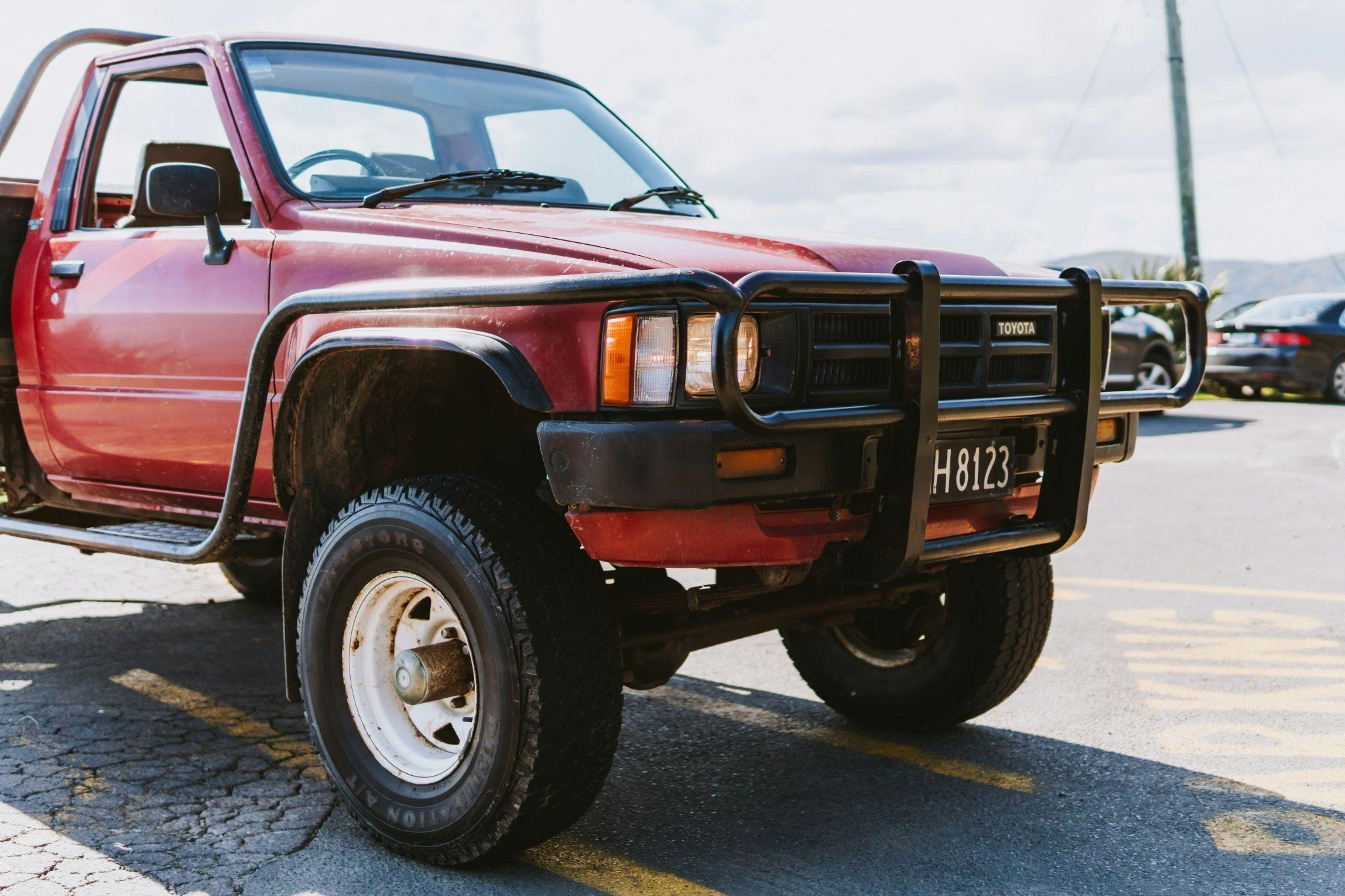
Photo by Doug Bagg on Unsplash
Buying car parts online has become normal for Australian drivers. It is convenient, it gives shoppers more choice, and it makes it easier to compare styles before committing to a purchase. But wheels and tyres are not ordinary accessories. They affect braking, handling, load capacity, ride comfort, compliance, and the way a vehicle behaves in daily traffic. That makes online buying useful, but only when the customer knows what to check before placing an order.
For publishers that help consumers compare local businesses, the topic is especially relevant. A wheel and tyre package is often promoted as a simple upgrade, yet the right answer depends on the vehicle, the driver, and the conditions the car will actually face. A city SUV, a work ute, a family wagon, and a weekend 4x4 all have different needs.
Start With Fitment, Not Style
The first mistake many buyers make is starting with the look. A particular wheel design might catch the eye, but fitment should always come first. The correct stud pattern, offset, wheel width, diameter, center bore, brake clearance, and load rating all need to match the vehicle. If one of these details is wrong, a package can create vibration, rubbing, steering issues, or installation problems.
This is why buyers looking at wheels and tyre packages should look for retailers that treat fitment advice as part of the service, not as an afterthought. AutoCraze, an Australian automotive retailer focused on wheels, tyres, suspension, and vehicle styling, presents wheel and tyre packages by vehicle fitment and popular brands. A product specialist might explain it this way: “A package should not just look good in a photo. It has to fit the car properly, suit the driver’s use, and keep the whole setup safe and practical.”
Online shopping does not remove the need for expert checks. If anything, it makes them more important. A reputable seller should make it easy to confirm whether a package suits the make, model, year, trim, and intended use of the vehicle.
Know the Driving Conditions
Tyres should be selected around real driving habits. A driver who mainly uses suburban roads may want comfort, quietness, braking performance, and fuel efficiency. A ute owner who carries tools may need stronger load capacity. A 4x4 driver who spends weekends on sand, gravel, or rough tracks may need more durable all terrain tyres. A performance car owner may prioritize grip and steering response.
Wheel size also affects tyre choice. Larger wheels can sharpen appearance, but they often mean lower profile tyres. That may suit some street builds, but it can reduce sidewall cushion on rough roads. Smaller wheel diameters with taller sidewalls may be more practical for touring, work vehicles, and off road use. The best option is the one that matches the route, not just the showroom image.
Drivers should also think about replacement availability. Common tyre sizes are usually easier to source during travel. Very unusual sizes may be harder to replace quickly if a tyre is damaged away from home.
Check Safety, Warranty, and Consumer Rights
Safety information should be part of the buying decision. The National Highway Traffic Safety Administration provides tire safety guidance covering inflation, tread wear, inspection, and maintenance. Although it is a United States agency, the basic maintenance principles apply broadly. Tyres perform best when they are correctly inflated, regularly inspected, and replaced before they become unsafe.
Australian buyers should also understand their consumer protections. The Australian Competition and Consumer Commission explains that products and services generally come with consumer guarantees, including that goods must be of acceptable quality and fit for purpose. This does not mean every buyer mistake is covered, but it does highlight why clear product descriptions, correct fitment advice, and transparent returns policies matter.
Before buying, customers should check whether the package includes fitting, balancing, sensors, wheel nuts, freight, and any relevant warranty details. Some prices look attractive until extras are added later. Others may include more of the practical setup than the headline price suggests.
Think About the Full Vehicle Setup
Wheels and tyres do not operate alone. Suspension height, brake size, guard clearance, wheel alignment, towing load, and accessory weight all influence whether a package will work well. A lifted 4x4 may need a different approach from a standard daily driver. A ute with a canopy, drawers, and tools may need a more load focused setup than one used mostly for commuting.
It is also worth planning ahead. If a buyer intends to add suspension, flares, a canopy, or towing equipment later, the wheel and tyre package should be chosen with those future changes in mind. Otherwise, the first upgrade may need to be replaced sooner than expected.
The online market gives consumers more choice than ever, but choice only helps when it is matched with good advice. A wheel and tyre package should improve the vehicle’s appearance, support its use, and keep the driver confident on the road. When fitment, safety, and practicality come before impulse, the result is a better upgrade and a better ownership experience.