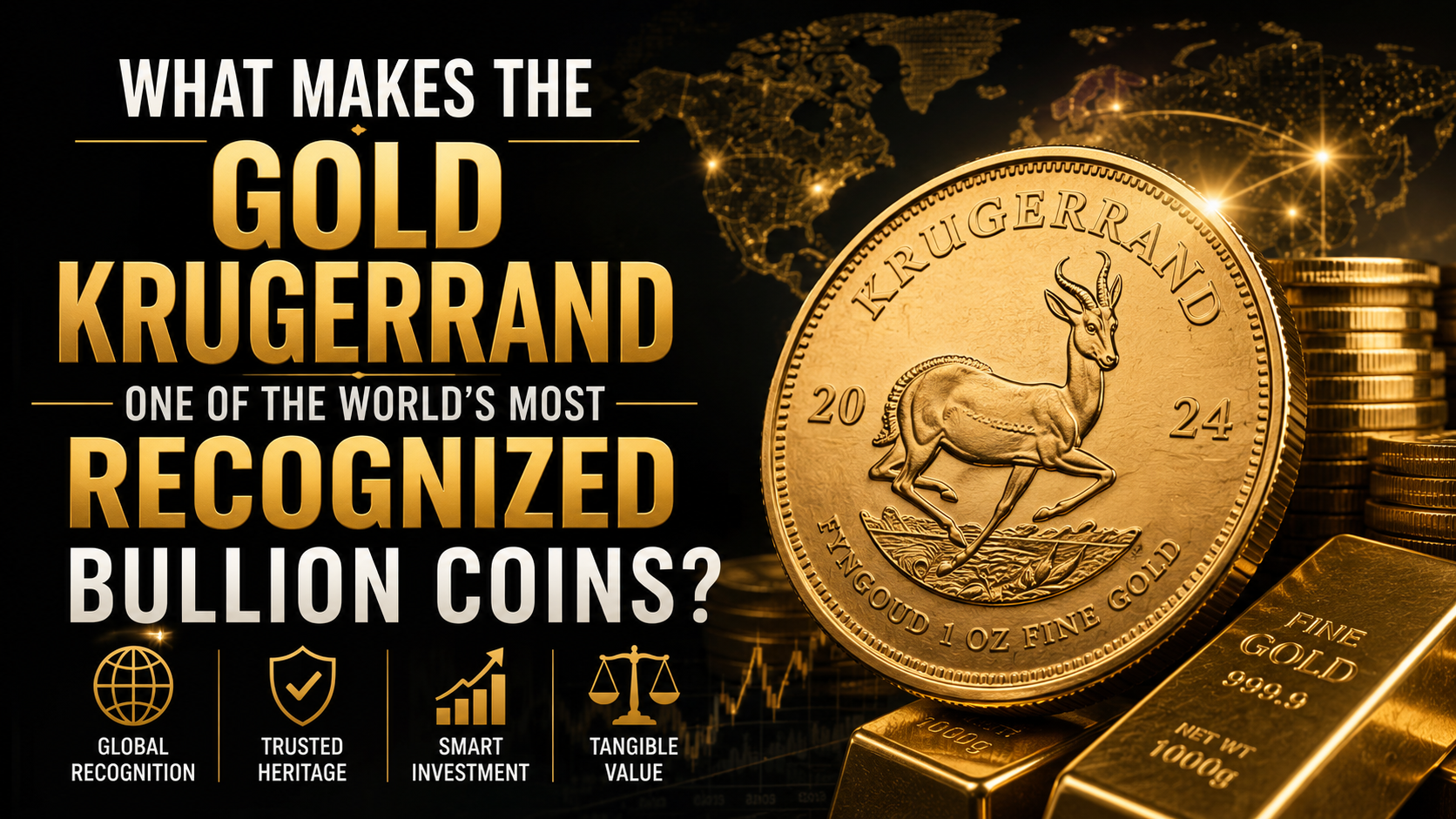
Few gold coins have achieved the kind of global recognition that the Krugerrand commands. First issued by the South African Mint in 1967, it holds a distinct place in monetary history as the first modern bullion coin designed specifically for private investors, not ceremonial display or state currency. That origin alone set it apart from everything that came before it.
What cemented its reputation over the decades was a combination of practical design choices and consistent market presence. The coin's one troy ounce gold standard made pricing straightforward, with its value tied closely to the spot price of gold rather than an arbitrary face value. Investors around the world understood exactly what they were holding.
Its durability added to its appeal. The copper alloy used in production gives the Krugerrand a harder surface than pure gold coins, making it more resistant to everyday wear. Paired with decades of continuous trading across global markets, the gold bullion coin built the kind of liquidity and trust that few assets ever achieve.
Why the Krugerrand Became a Bullion Benchmark
The Krugerrand is widely recognized because it was the first modern bullion coin designed for private investors, introduced by the South African Mint in 1967. Its long market presence, one troy ounce standard, and broad global trading history gave it a foundation that later coins could reference but not replicate. The combination of South African identity, practical durability, and pricing tied directly to the spot price of gold made it both simple to understand and easy to trust.
The Design Choices That Made It Easy to Trust
The Krugerrand's recognition is not accidental. It was built into the coin's physical construction and visual language from the start, giving it properties that investors could verify by touch and sight before any certificate changed hands.
Why 22-Karat Gold Helped the Coin Last
A common misconception is that 22-karat gold represents a compromise in quality. In practice, the alloy is 91.67% gold mixed with copper, a deliberate engineering choice rather than a shortcut on gold purity.
The copper content does something pure gold cannot: it hardens the coin's surface. Pure gold is soft enough to scratch under normal handling, which creates problems for coins that trade hands repeatedly across markets. The copper alloy addresses that directly, giving the Krugerrand a surface that holds up through decades of circulation.
The same copper content also gives the coin its characteristic warm, orange-gold hue, which differs visibly from the cooler yellow of higher-purity coins. That color distinction became part of its identity.
How Its Imagery Made It Instantly Identifiable
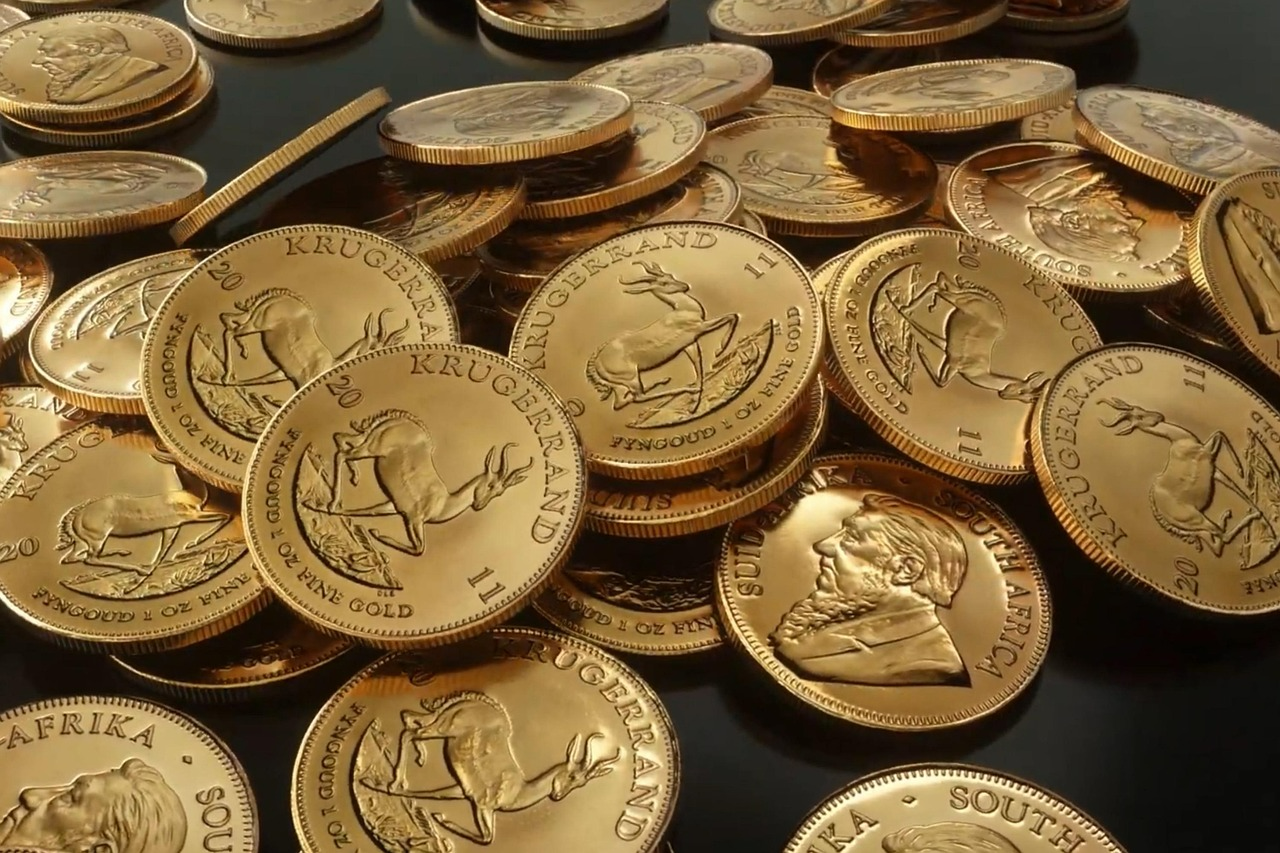
The obverse carries a portrait of Paul Kruger, president of the South African Republic, rendered in a style that reads clearly even on worn examples. The reverse features the springbok, one of South Africa's most recognizable national symbols.
Together, these design elements gave the coin a visual signature that traders could confirm at a glance. Collectors and investors often recognize the Krugerrand first through its South African identity, appreciating it as a historic South African bullion icon, before they begin comparing technical specifications. That imagery referenced a specific place and era, making it harder to confuse with imitations and easier to trust across international markets.
How It Opened Gold Ownership to Ordinary Buyers
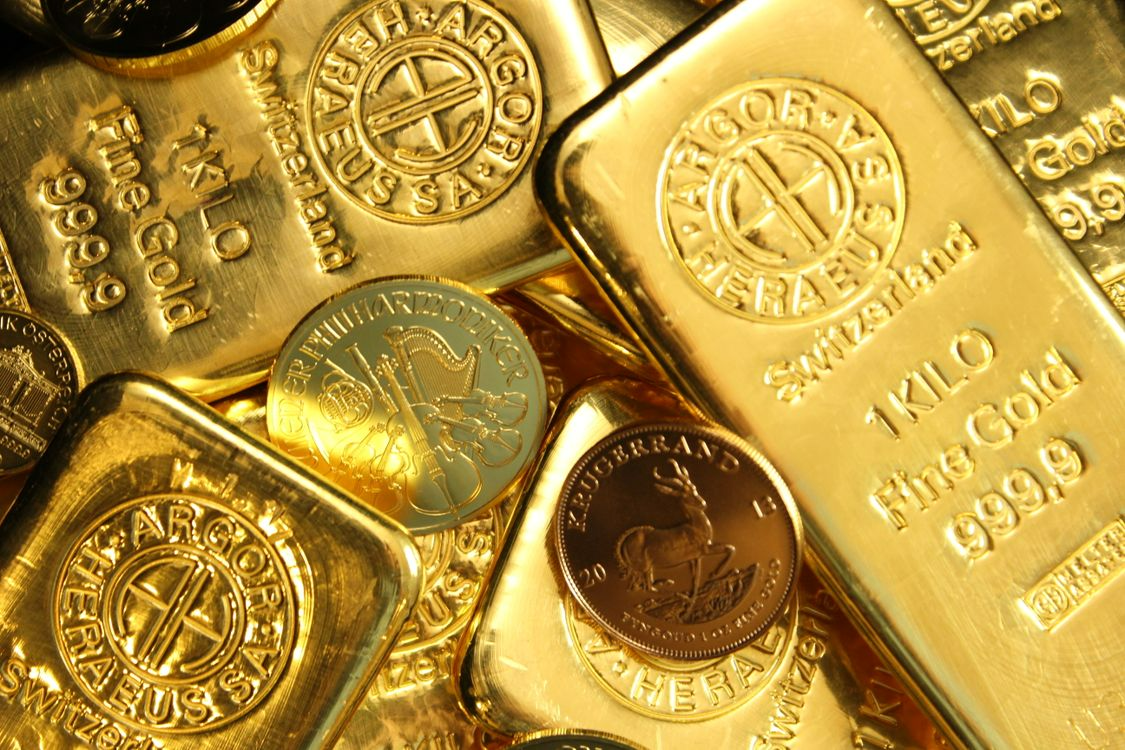
The accessibility of the Krugerrand is just as central to its recognition as its design. By making gold investment practical for everyday buyers, it built a market that extended well beyond institutions and collectors.
The Working Man's Coin Idea
When the South African Mint introduced the Krugerrand in 1967, the goal was deliberate: bring gold investment within reach of private buyers, not just institutions and high-net-worth individuals. Before its introduction, holding physical gold was largely the domain of central banks and wealthy collectors.
The one troy ounce format was central to that mission. By standardizing the coin's weight, the Rand Refinery and South African Mint created something that buyers could price instantly against the daily spot rate. There was no complex valuation, no arbitrary face value to decode. The coin's worth tracked gold directly, which made it straightforward for anyone to understand what they were buying. That simplicity gave ordinary investors confidence in a way that other gold products of the era did not.
Why Fractional Sizes Widened Its Reach
The original troy ounce coin served investors who could commit to that purchase size. Not everyone could, so the South African Mint later introduced fractional sizes, specifically half-, quarter-, and tenth-ounce versions, to bring the entry point down.
Those smaller denominations meant that securing your retirement with the right investments no longer required a significant upfront commitment to gold. Buyers with more modest budgets could still participate in gold investment through a legal tender coin carrying the same Rand Refinery standards as the full-ounce version.
Its Market Status Grew Through Reach and Resilience
The Krugerrand's design gave it a strong foundation, but its global standing was ultimately built through scale and staying power. Two factors shaped that trajectory more than any other: the volume at which it traded internationally, and how it weathered a period of significant political disruption.
Why Global Trading Made the Coin Familiar
Since its introduction in 1967, the Krugerrand built its international footprint through volume as much as design. The South African Mint and Rand Refinery maintained long production runs, and the coin moved through bullion markets across Europe, North America, and beyond in significant quantities. Those production records reflect a gold bullion coin that was not issued selectively but distributed widely, which is how it became a reference point for the broader market.
That scale created something difficult to replicate quickly: liquidity. When a coin trades in large volumes across multiple markets over decades, dealers and investors become familiar with it by necessity. The Krugerrand's consistent weight, purity standards, and visual identity meant that traders recognized it without needing to verify it from scratch each time. Familiarity at that level translates directly into market confidence.
How Sanctions Changed Access but Not Legacy
The apartheid sanctions imposed during the 1980s created a meaningful disruption. Several Western governments restricted or banned the import of South African goods, and the Krugerrand was caught in that net. For a period, new coins became harder to acquire through official channels in certain markets.
However, what the sanctions could not undo was the coin's existing presence in circulation. Coins already held in private hands continued to trade, and the historical continuity of the Krugerrand as a recognized gold bullion coin remained intact. The controversy added to its story without erasing its legal tender status or its standing among collectors and investors who had traded it for years.
Why Other Mints Had to Answer the Krugerrand
The Krugerrand did not just succeed in the market. It redefined what a gold bullion coin could be, establishing a commercial model that other sovereign mints had no choice but to respond to.
Before the Krugerrand, no widely distributed coin had been engineered specifically to let private investors track the spot price of gold through a standardized, one troy ounce format. That formula worked, and its success made it the first modern bullion coin against which everything that followed would be measured.
The American Gold Eagle, introduced by the United States Mint in 1986, adopted a similar one-ounce standard and fractional sizing structure. The Canadian Gold Maple Leaf arrived in 1979, offering higher purity as its point of difference. The Britannia entered the market as the United Kingdom's sovereign answer to the same demand. Each of these products addressed a genuine investor need, yet each also implicitly acknowledged what the Krugerrand had already proven.
That pattern matters. When competing mints build products around the same framework, they reinforce the benchmark rather than replace it. The gold bullion coin category that these mints entered existed because the Krugerrand created it, a dynamic that connects naturally to growing trends in physical collectibles where early market leaders tend to define category standards long after rivals emerge.
Why the Krugerrand Still Stands Out Today
The Krugerrand's recognition rests on a combination that few gold bullion coins have managed to replicate: it was first, it was practical, it traded widely, and it carried a visual identity rooted in South African history.
Its durability, accessible sizing, and consistent standards from the South African Mint gave it staying power through decades of market shifts. The influence it had on coins like the American Gold Eagle and the Canadian Gold Maple Leaf reflects how completely it defined the category.
For anyone serious about gold investment, the Krugerrand remains both a historical milestone and an enduring market reference point.