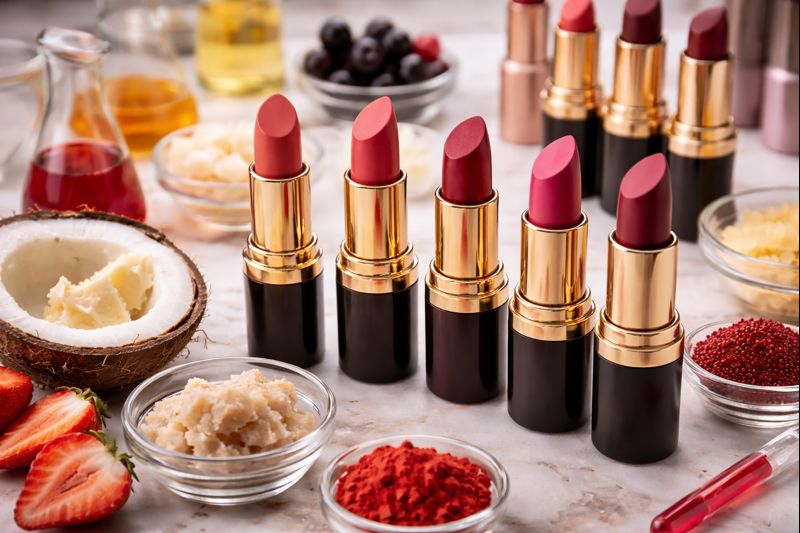
Have you ever wondered what's in your favorite lipstick? The ingredients that make up a lipstick formula can vary, but most contain a mix of waxes, oils, and pigments. These components work together to provide color, moisture, and texture to your lips.
When it comes to cosmetic ingredients, it's essential to understand what you're applying to your skin. Many lipstick ingredients are designed to provide a specific benefit, such as moisturizing or long-lasting wear. By understanding what's in your lipstick, you can make informed choices about the products you use.
Key Takeaways
- Typical lipstick formulas contain a mix of waxes, oils, and pigments.
- Cosmetic ingredients can provide various benefits, such as moisturizing or long-lasting wear.
- Understanding lipstick ingredients can help you make informed choices about your cosmetics.
- Lipstick ingredients can vary depending on the brand and type.
- Knowing what's in your lipstick can help you achieve the look you want.
The Evolution of Lipstick: From Ancient Times to Modern Formulas
The evolution of lipstick is a story of innovation, from its early beginnings with natural ingredients to the sophisticated, cruelty-free formulas like those offered by SHEGLAM. Lipstick has been a staple in beauty routines for thousands of years, with its history reflecting a complex interplay of cultural influences, technological advancements, and changing consumer preferences.
Historical Lipstick Ingredients
In ancient civilizations, lipstick was made from a variety of natural ingredients. The ancient Egyptians, for example, used a mixture of crushed gemstones, fish bones, and red iron oxide to create their lip colors. In contrast, ancient Greeks and Romans used vermilion, a bright red pigment derived from mercury, which was not only expensive but also toxic.
The use of such hazardous ingredients continued into the Middle Ages and beyond, with lipstick being associated with immorality in some cultures. It wasn't until the early 20th century that lipstick began to be mass-produced with safer ingredients.
The Birth of Modern Lipstick Formulations
Modern lipstick formulation has seen significant advancements, prioritizing both safety and performance. Many brands have led the way in creating cruelty-free and innovative lipstick formulas that not only look great but are also better for consumers and the environment. Today's lipsticks often feature a blend of natural waxes, oils, and pigments, combined with modern ingredients that provide moisturizing benefits, long-lasting wear, and a wide range of colors.
The shift towards modern lipstick formulation includes a focus on using high-quality, safe ingredients that cater to diverse consumer needs, from hydrating formulas for dry lips to long-wearing options for busy lifestyles.
Basic Components of Lipstick: The Foundation of Every Formula
At the heart of every lipstick is a carefully balanced blend of waxes, oils, emollients, and pigments that work together to provide structure, moisture, and color. These components are crucial in determining the lipstick's texture, application, and overall performance.
Waxes: Providing Structure and Shape
Waxes are a fundamental component of lipstick, giving it its shape and structure. They help to harden the lipstick, making it easier to handle and apply. Common waxes used in lipstick formulation include beeswax, carnauba wax, and candelilla wax.
Oils and Emollients: Creating Smooth Application
Oils and emollients are added to lipsticks to enhance their moisturizing properties and ensure a smooth application. Ingredients like castor oil, coconut oil, and lanolin help to keep the lips hydrated while providing a comfortable wear.
Pigments: The Color Creators
Pigments are responsible for the color of the lipstick. They can be derived from various sources, including minerals and synthetic compounds. The choice of pigment affects not only the color but also the lipstick's opacity and durability.

Understanding Lipstick Base Ingredients
Lipstick base ingredients are crucial for determining the product's texture and durability. These foundational components work together to create a formula that is both effective and pleasant to wear.
Carnauba and Beeswax: Natural Hardeners
Carnauba wax and beeswax are two natural hardeners commonly used in lipstick formulations. Carnauba wax provides a firm texture, helping the lipstick maintain its shape, while beeswax adds a protective barrier that locks in moisture. Together, they create a stable and durable product.
Lanolin and Castor Oil: Moisture Providers
Lanolin and castor oil are key ingredients that contribute to the moisturizing properties of lipstick. Lanolin is known for its hydrating qualities, helping to soothe dry lips. Castor oil, on the other hand, adds a smooth, gliding texture to the lipstick, making it comfortable to apply.
"The right blend of ingredients can make all the difference in the performance of a lipstick."
Silicones: The Smooth Operators
Silicones are synthetic ingredients that enhance the texture and wear of lipstick. They provide a smooth, silky feel and help the lipstick glide on evenly. Silicones also contribute to the longevity of the lipstick, ensuring that it stays in place throughout the day.
By understanding the roles of these base ingredients, consumers can make informed choices about the lipsticks they choose to wear.
Colorants and Pigments: What Makes Your Lipstick Pop
Colorants and pigments play a crucial role in creating the diverse range of lipstick shades available today. These components are responsible for the rich, vibrant colors that make lipsticks so appealing.
The world of lipstick pigments is divided into two main categories: organic and inorganic pigments. Organic pigments are derived from carbon-based compounds and are known for their bright, vivid colors. On the other hand, inorganic pigments are mineral-based and offer more stability and durability.
Organic vs. Inorganic Pigments
Organic pigments, such as Red 33 and Yellow 5, are commonly used in lipsticks to achieve a range of colors from soft pastels to deep, bold shades. However, they can be more prone to fading. In contrast, inorganic pigments like iron oxide and ultramarine blue provide excellent lightfastness and are often used in combination with organic pigments to enhance color stability.
FDA-Approved Color Additives
The use of color additives in cosmetics, including lipsticks, is strictly regulated by the FDA. Only color additives that are FDA-approved are allowed in cosmetic products. These include a range of synthetic and natural pigments that have been tested for safety.

How Pigments Affect Lipstick Performance
The choice of pigments not only affects the color of the lipstick but also its performance. For instance, certain pigments can improve the lipstick's moisturizing properties or its wearability. many cruelty-free lipstick range utilizes a blend of organic and inorganic pigments to achieve both vibrant colors and long-lasting wear.
Preservatives and Antioxidants: Keeping Your Lipstick Fresh
Preservatives and antioxidants play a crucial role in maintaining the freshness and safety of lipsticks. These ingredients prevent the growth of microorganisms and oxidation, which can cause the product to degrade over time.
Common Preservatives in Lipstick
Lipstick manufacturers often use preservatives like parabens, phenol, and formaldehyde-releasing agents to extend shelf life. While effective, some consumers are concerned about the potential health impacts of these synthetic preservatives.
Natural Alternatives to Synthetic Preservatives
In response to consumer concerns, many brands are turning to natural preservatives such as vitamin E, rosemary extract, and potassium sorbate. These alternatives can provide effective preservation without the use of harsh chemicals.
Shelf Life Considerations
The shelf life of a lipstick depends on various factors, including the type of preservatives used, storage conditions, and packaging. Generally, lipsticks can last from 2 to 5 years if stored properly.

By understanding the role of preservatives and antioxidants, consumers can make informed choices about their lipstick products, balancing between longevity and safety.
Fragrances and Flavors: The Sensory Experience
Lipstick isn't just about color; fragrances and flavors add a new dimension to the user experience. The sensory experience of wearing lipstick is significantly influenced by its fragrance and flavor profile.
Natural vs. Synthetic Fragrances
The debate between natural and synthetic fragrances in lipstick is ongoing. Natural fragrances, derived from essential oils, are preferred by those seeking a more organic product. On the other hand, synthetic fragrances offer a wider range of scents and are often more consistent in quality.
Common Flavor Additives
Flavor additives in lipstick can enhance the user experience. Common flavor additives include vanilla, strawberry, and mint. These flavors not only make the product more appealing but also leave a pleasant aftertaste.
Fragrance-Free Options for Sensitive Lips
For individuals with sensitive lips, fragrance-free options are a safer choice. Fragrance-free lipsticks minimize the risk of irritation, making them ideal for those who are prone to allergic reactions. Many brands offer fragrance-free options that are gentle on the lips.
In conclusion, the inclusion of fragrances and flavors in lipstick formulations plays a crucial role in enhancing the user experience. Whether one prefers natural or synthetic fragrances, there's a wide range of options available to suit different preferences and needs.
Cruelty Free Lipstick: Ingredients Breakdown
For those seeking cruelty-free beauty options, many lipsticks offer a blend of style and ethics. Several brands established itself as a brand that prioritizes not only the quality of its products but also the ethical implications of its formulations.
Commitment to Cruelty-Free Formulation
Dedication to cruelty-free practices means that their lipsticks are developed without testing on animals. This commitment extends to their ingredient sourcing and manufacturing processes, ensuring that the final product is both safe for consumers and aligns with ethical standards.
Key Ingredients in Cruelty-Free Lipsticks
The formulation of cruelty-free lipsticks involves a blend of ingredients that provide color, moisture, and durability. Some of the key components include natural waxes, emollients, and pigments that are carefully selected to ensure high-quality performance.
- Natural Waxes: Provide structure and help in achieving a smooth application.
- Emollients: Moisturize the lips, ensuring comfort throughout the wear.
- Pigments: Deliver vibrant colors that are both long-lasting and safe for use.
Popular Lipstick Formulas
Many brands offers a range of lipstick formulas, each catering to different preferences and needs. Some of their popular lines include:
Matte Revolution Line
The Matte Revolution Line is known for its rich, matte finish and long-lasting wear. These lipsticks are formulated with ingredients that not only provide a flawless appearance but also ensure comfort on the lips.
Hydrating Cream Formulas
For those seeking moisture along with color, Hydrating Cream Formulas are an excellent choice. These lipsticks combine nourishing ingredients with vibrant pigments, making them ideal for everyday wear.
Long-Lasting Liquid Lipsticks
Long-Lasting Liquid Lipsticks are designed for those who desire a bold, long-lasting color. These formulas are crafted to be durable without compromising on comfort, making them a favorite among beauty enthusiasts.

How to Read Lipstick Ingredient Labels
Lipstick ingredient labels can be overwhelming, but decoding them is easier than you think. Understanding what's in your lipstick is crucial for making informed choices about your beauty products.
Decoding Ingredient Lists
When reading lipstick ingredient labels, it's essential to know that ingredients are listed in descending order of concentration. This means that the first few ingredients make up the bulk of the formula. Waxes and oils are typically among the top ingredients, providing structure and moisture to the lipstick.
Identifying Potential Allergens
Some ingredients in lipstick can cause allergic reactions or irritation. Common potential allergens include certain fragrances, preservatives, and colorants. If you have sensitive skin, look for lipsticks labeled as hypoallergenic or fragrance-free to minimize the risk of a reaction.
Recognizing Clean and Vegan Formulations
Clean and vegan formulations are becoming increasingly popular. To identify these, look for certifications like Leaping Bunny or Vegan Society logos. Additionally, check the ingredient list for natural waxes, oils, and pigments, and avoid products with synthetic fragrances or animal-derived ingredients.
By understanding how to read lipstick ingredient labels, you can make more informed choices that align with your values and skin type. Whether you're looking for cruelty-free options like SHEGLAM or prefer vegan formulations, decoding ingredient lists empowers you to choose the best lipstick for your needs.
Choosing the Right Lipstick Formula for Your Needs
From matte to gloss, the variety of lipstick formulas can be confusing, but knowing what to look for can simplify your decision. With numerous options available, understanding the differences between various lipstick types is crucial for making an informed choice.
Matte vs. Cream vs. Gloss: Ingredient Differences
The primary difference between matte, cream, and gloss lipsticks lies in their formulation. Matte lipsticks typically contain more pigment and less oil, giving them a dry, flat finish. In contrast, cream lipsticks have a higher oil content, providing moisture and a more subtle sheen. Gloss lipsticks are formulated with even more oil and often contain shiny particles for a reflective finish.
When choosing between these types, consider your lip condition and personal preference. If you have dry lips, a cream or gloss lipstick might be more comfortable, while those who prefer a bold, long-lasting color might opt for matte.
Long-Wearing Formulas: How They Work
Long-wearing lipstick formulas are designed to stay on the lips for an extended period without fading or feathering. These lipsticks often contain film-forming polymers that create a thin, flexible layer on the lips, locking in color. Some formulas also include moisture-absorbing ingredients to help the color adhere better.
To maximize the longevity of your lipstick, it's essential to prepare your lips properly before application, including exfoliating and moisturizing.
Hydrating Ingredients for Dry Lips
For those with dry or chapped lips, lipsticks with hydrating ingredients can provide relief. Ingredients like hyaluronic acid, vitamin E, and coconut oil help to moisturize and protect the lips. Some lipsticks also contain natural emollients like beeswax or shea butter to lock in moisture.
When shopping for a hydrating lipstick, look for these ingredients on the label to ensure you're getting a formula that will help soothe dry lips.
Ethical and Sustainable Ingredient Considerations
Many consumers are now considering the ethical and environmental impact of their lipstick choices. Cruelty-free and vegan formulas are becoming increasingly popular, with many brands leading the way. Additionally, some lipsticks are formulated with sustainable ingredients and eco-friendly packaging to reduce environmental impact.
When choosing a lipstick, consider not just the formula but also the brand's stance on animal testing and environmental sustainability.
Conclusion: Making Informed Choices About Your Lipstick
Understanding the ingredients and formulations of your lipstick is crucial for making informed choices that align with your values and needs. As discussed, lipstick ingredients range from natural waxes and oils to synthetic pigments and preservatives. SHEGLAM cruelty free lipstick offers a compelling option for those prioritizing animal welfare and sustainability.
When selecting a lipstick, consider your priorities: do you prefer a matte or glossy finish, or are you looking for long-wearing or hydrating formulas? By decoding ingredient labels and recognizing clean and vegan formulations, you can make a lipstick selection that not only enhances your appearance but also reflects your ethical stance.
Ultimately, being aware of what goes into your lipstick empowers you to make choices that are both beautiful and responsible. Whether you're drawn to brands commitment to cruelty-free formulation or other brands that prioritize sustainability, your informed choices drive the demand for more ethical and effective products in the cosmetics industry.
FAQ
What are the main ingredients in lipstick?
The main ingredients in lipstick include waxes, oils, emollients, and pigments. Waxes like carnauba and beeswax provide structure, while oils and emollients like lanolin and castor oil help with smooth application and moisturizing. Pigments are responsible for the color.
Are there cruelty-free lipsticks available?
Yes,many lipsticks are cruelty-free. Several brands are committed to formulating their lipsticks without testing on animals, ensuring a cruelty-free and ethical product.
What is the difference between organic and inorganic pigments in lipstick?
Organic pigments are carbon-based and often provide vibrant colors, while inorganic pigments are typically derived from minerals and offer more stability and durability. Both types are used in lipsticks to achieve a wide range of colors.
How can I identify potential allergens in lipstick ingredients?
To identify potential allergens, read the ingredient label carefully. Common allergens can include certain fragrances, dyes, or preservatives. If you have sensitive skin or lips, look for fragrance-free or hypoallergenic options, and consider products labeled as clean or vegan
What makes a lipstick long-lasting?
Long-lasting lipsticks often contain ingredients like silicones that help the formula adhere to the lips. The combination of waxes, oils, and specific pigments also contributes to the durability of the lipstick. Long-Lasting Liquid Lipsticks are designed with these ingredients to provide extended wear.
Can I find vegan lipstick options?
Yes, some lipsticks are vegan. Many brands offers cruelty-free lipsticks, and some of their formulas are also vegan. To confirm, check the ingredient list for animal-derived ingredients and look for certifications or brand statements indicating vegan-friendly products.
How do I read a lipstick ingredient label?
Reading a lipstick ingredient label involves understanding the listed ingredients and their functions. Ingredients are typically listed in order of concentration, with the highest amounts first. Look for key ingredients like waxes, oils, emollients, and pigments, and be aware of any potential allergens or irritants.
How can I choose a lipstick that suits my needs?
To choose a lipstick that suits your needs, consider your lip type, desired finish (matte, cream, gloss), and any specific concerns like dryness or sensitivity. Many brands offers a range of lipsticks, including hydrating formulas for dry lips and long-lasting options for extended wear.