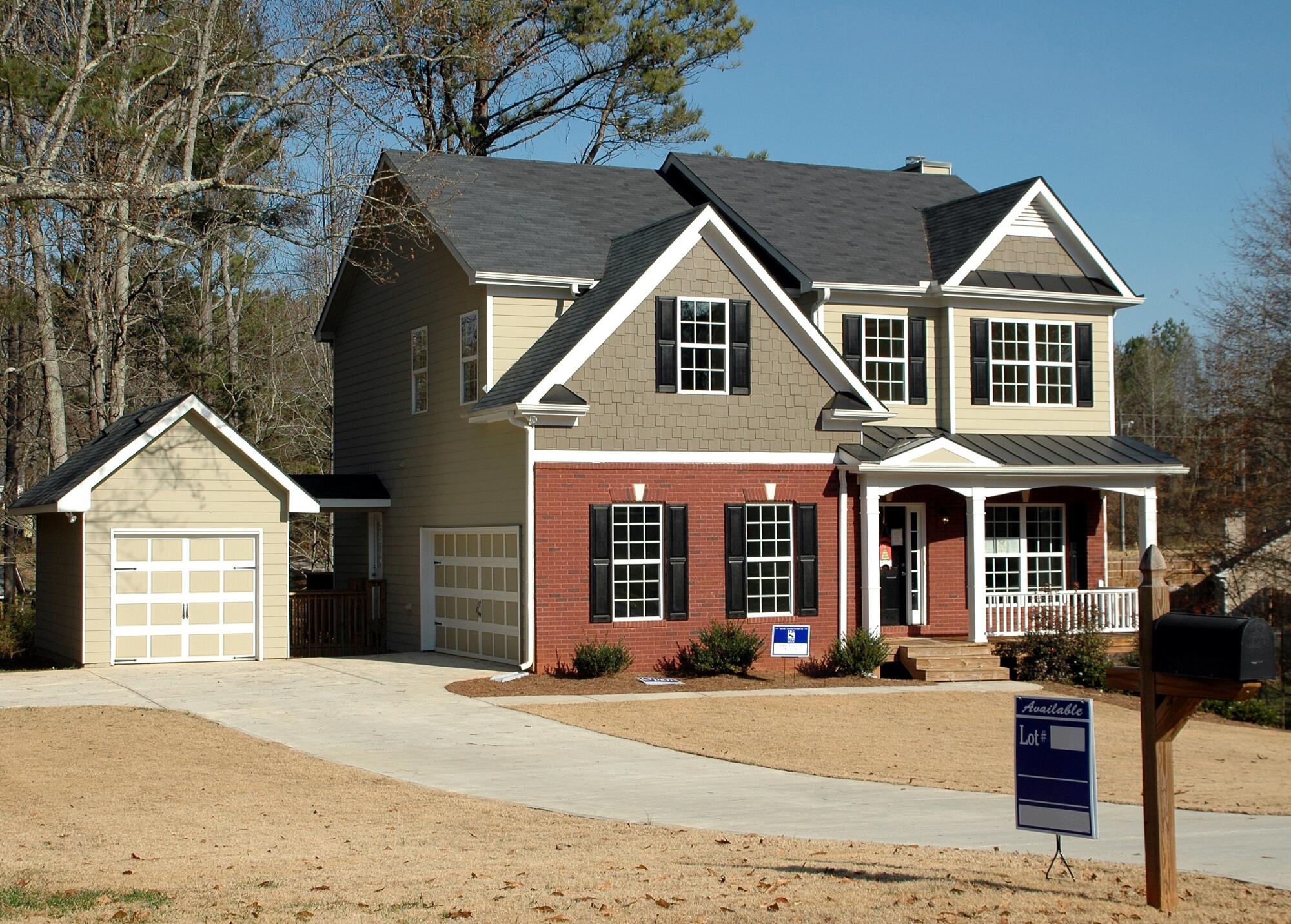
Have you ever wondered if buying a cheap house is really a good deal? The allure of lower prices can be tempting, but is it always the bargain it seems to be?
In this article, we'll dive into the pros and cons of purchasing a budget-friendly home. We'll help you determine whether budget-friendly houses are a smart investment or if it could end up costing you more in the long run.
Let's uncover the truth together!
The Pros of Buying a Cheap House
Buying a cheap house can have several potential pros, but it depends on your specific situation and priorities. Here are some potential advantages:
Affordability
Buying a cheap house means you spend less money upfront. This lower purchase price can make homeownership more accessible. It may also allow you to allocate funds to other areas, such as renovations or paying down debt.
Investment Potential
A cheaper house might offer greater potential for appreciation if you are looking for a long-term investment opportunity. If this is the case, consider the best house and land packages. These types of packages can offer a good balance between affordability and potential for growth.
Reduced Financial Strain
Buying a cheap house can reduce your monthly payments and overall financial strain. With lower mortgage payments, you might have more disposable income for other expenses or savings. This financial breathing room can enhance your overall quality of life and financial security.
The Cons of Buying a Cheap House
While there are potential advantages to buying a cheap house, there are also some drawbacks to consider.
Higher Repair and Maintenance Costs
A lower-priced home may require more repairs and maintenance than a more expensive one. This can add up quickly and potentially negate any initial cost savings. It's important to thoroughly inspect the property before purchasing and budget for ongoing maintenance costs.
Limited Resale Potential
Cheap houses may not appeal to as wide of an audience when it comes time to sell. If the area has a negative reputation or if the house needs significant repairs, you may struggle to find buyers. This could lead to a longer selling process or a lower sale price.
Potential for Hidden Issues
Sometimes, low-cost homes are priced that way for a reason. There may be hidden issues or problems with the property that aren't obvious at first glance. It's crucial to conduct thorough inspections and potentially hire professionals to assess the property before making a purchase.
Embrace Potential in a Cheap House
In conclusion, buying a cheap house can have its advantages and disadvantages. It's essential to carefully weigh the potential pros and cons before making a decision. Consider your budget, long-term goals, and the condition of the property before signing on the dotted line.
Remember, what may seem like a bargain at first could end up costing you more in the long run if it requires extensive repairs or has limited resale potential. Ultimately, it's important to make an informed and financially sound decision when purchasing a home, whether it's cheap or not.
Was this article helpful to you? If so, make sure to check out our blog for more useful information and resources.