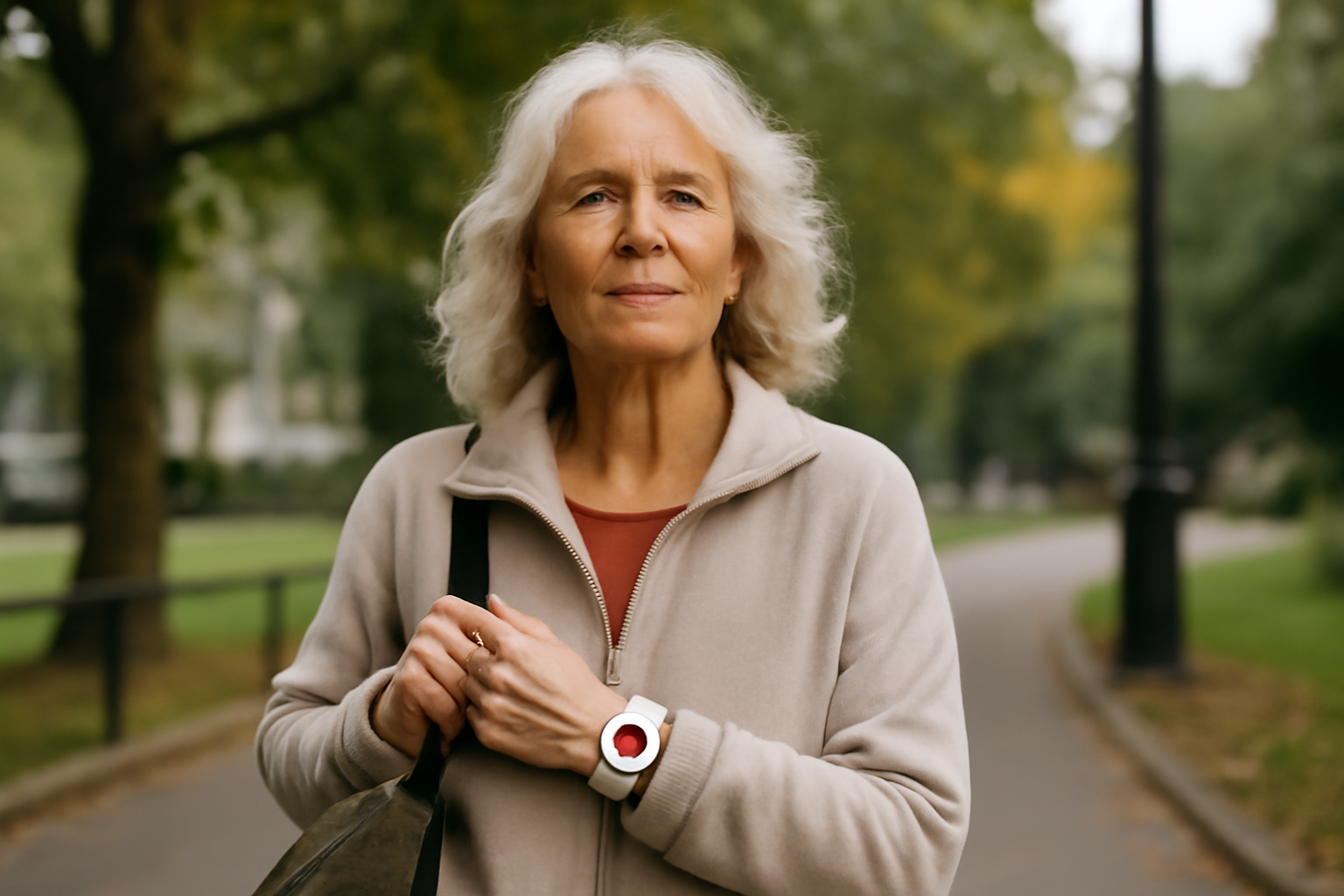
There's something that few people consider until the need arises: where do you turn in case of a medical emergency while on the go? Playing on the effective capabilities of at-home alert devices, as long as a person is inside, they work beautifully, yet the second someone steps outdoors, they're powerless. That's where mobile medical alert devices come into play, yet as with most products, not all are created equal.
The gap between a device that will save your life and one that's comforting to think you've got but does nothing comes down to a few vital factors. Knowing what's essential can make the difference between getting help in a timely manner or struggling when it would have been more easily prevented.
Location Tracking Technology That Works Quickly
Let's talk about location because the problem with detection being too accurate. When someone pushes their emergency button, the monitoring center needs to know where they are very quickly. If there's significant GPS error, help could be sent to the wrong address, or worse, attention isn't immediately called for because operators don't yet know where they are.
The best systems incorporate GPS, cellular triangulation and Wi-Fi positioning; to be more effective than GPS alone, it's best, especially in urban settings where high buildings or inside buildings make outdoor satellite connection difficult, and some systems boast location detection within meters of accuracy. Less expensive systems get within a few blocks, which is many miles less effective for someone who's having a heart attack or falls three storefronts down from where they are going.
This also factors into battery life. GPS takes more out of a system than basic cellular connection; therefore, the better devices need to boast 24-hour batteries for endurance on the go. You don't want your safety device dying halfway through your grocery run.
Two-Way Voice Communication as No Phone Is Available
The ability to speak directly with a monitoring operator from the device itself is invaluable; some systems have you dial in on your phone with button access which means nothing when you can't access your phone or you're too disoriented to dial correctly.
Quality two-way voice means strong enough speakers and clear enough microphones that even if the user is wearing it on their wrist or neck, effective reception is still achievable. Many systems report that seniors feel comforted simply hearing an operator respond after they've pressed their button before help arrives; it's an immediate call to action instead of panic.
The speaker quality is also more important than you might think, outdoors, there's traffic noise, wind and interference. Indoors, stores, medical offices, there's chatter and announcements. Devices must have strong, clear speakers that cut through extraneous noise so both sides can hear each other.
Fall Detection Technology (When It's Effective)
Automatic fall detection sounds great but not all systems can execute it. Some devices go off like alarms in an unfortunate dance movement; other devices don't report anything at all because the algorithm isn't attentive enough.
Better systems use an integrated sense of accelerometer, gyroscope and barometric pressure sensor to determine a false fall versus a real one; they can monitor how fast someone falls, whether there's impact felt, and even whether someone gets up again in a certain amount of time.
For seniors afraid they might forget to push their button due to cognitive decline (or those who might get knocked unconscious), integrated detection offers peace of mind. A personal medical alert system for older adults suggests reliable fall detection for many families who've found comfort for their loved ones when away on their own.
That being said, fall detection doesn't exist perfectly. The best combination is automatic detection as well as manual access to the button so users can maintain control but still have a safety net in place.
Water Resistance Regardless of Condition
Medical emergencies don't happen when it's sunny and 70 degrees. Rain, snow and splashes will happen as part of daily living. A device that boasts IPX7 rating or higher can withstand water submersion without incident; therefore, it'll survive a rainstorm or being dropped in a puddle.
For seniors who want to wear their devices in the shower, the place where most falls also occur, fully waterproof options expand protection for those vulnerable situations. The downside is that waterproof options have higher manufacturing costs which means cheaper alternatives either don't suggest waterproofing as a quality or only offer splash resistance that won't stand up in real life.
Nationwide Coverage Wherever You Are
Mobile alert devices are only as good as wherever you are when you have them. Systems that rely on cellular options operated under major carriers boast better coverage than ones that operate independently; this is even more important for seniors who travel to family, spend winters away or live in rural areas with inadequate signal.
Some systems operate under multiple networks; if one network offers weak signal, the device automatically switches to stronger carriers. This might cost more but saves the hassle of unreliable single-carrier systems.
Coverage must also extend indoors. Thick walls, basements and retail spaces can drown out cellular signals as well. Systems with strong antennas and signal improvement can handle these difficult situations better than basic models.
Battery Life Extending Past 24 Hours
Nothing's more aggravating than a safety device that requires constant recharging. People forget to charge things; it's in our nature. The best mobile medical alert devices should last 24-48 hours on one charge at minimum; there's even some that last up to five days based on usage patterns.
The quicker recharge time the better; if a full charge takes an hour or two, it's easier to maintain. If long charging times leave the device useless sitting on a pad for hours upon hours after being used, it defeats the purpose of portable safety.
Some systems boast low-battery warnings that alert users and families alike when power is running low. This back-up factor negates concern that someone will leave their house with a powerless device.
Extra Features That Are Secondary but Useful
Medication reminders, call-in check-in services, movement monitoring, these things are extras and while some devices come with these as part of their monthly subscription fee, others suggest better prices if users pay extra for add-ons as necessary.
Ultimately it comes down to whether these extras are actually used or offer confusion. Simple solutions often are more effective than convoluted ones; however, if monthly fees make this more complicated in terms of usage down the road compared with greatest ease from the onset, it makes brand comparison much less reliable.
If you're unsure what will work best for you, that's fine, life determines what works best.
Therefore, the best mobile medical alert system comes down to how someone lives their life. Seniors who go for walks each day may require different features than someone who goes through their neighborhood shopping area quickly. Someone with a history of falling might need more fall detection capabilities than someone primarily worried about cardiac-related incidents.
Cost matters but cost-effective options make no sense if they're cheap because they won't deliver what's necessary when it matters most. Value comes from matching features to true lifestyle needs instead of getting the cheapest system available boasting every possibility that would become empty promises.
Ultimately, it's most important that someone knows help can get there quickly no matter where they are due to certain technology and support capabilities. Everything else is nice but doesn't compare.