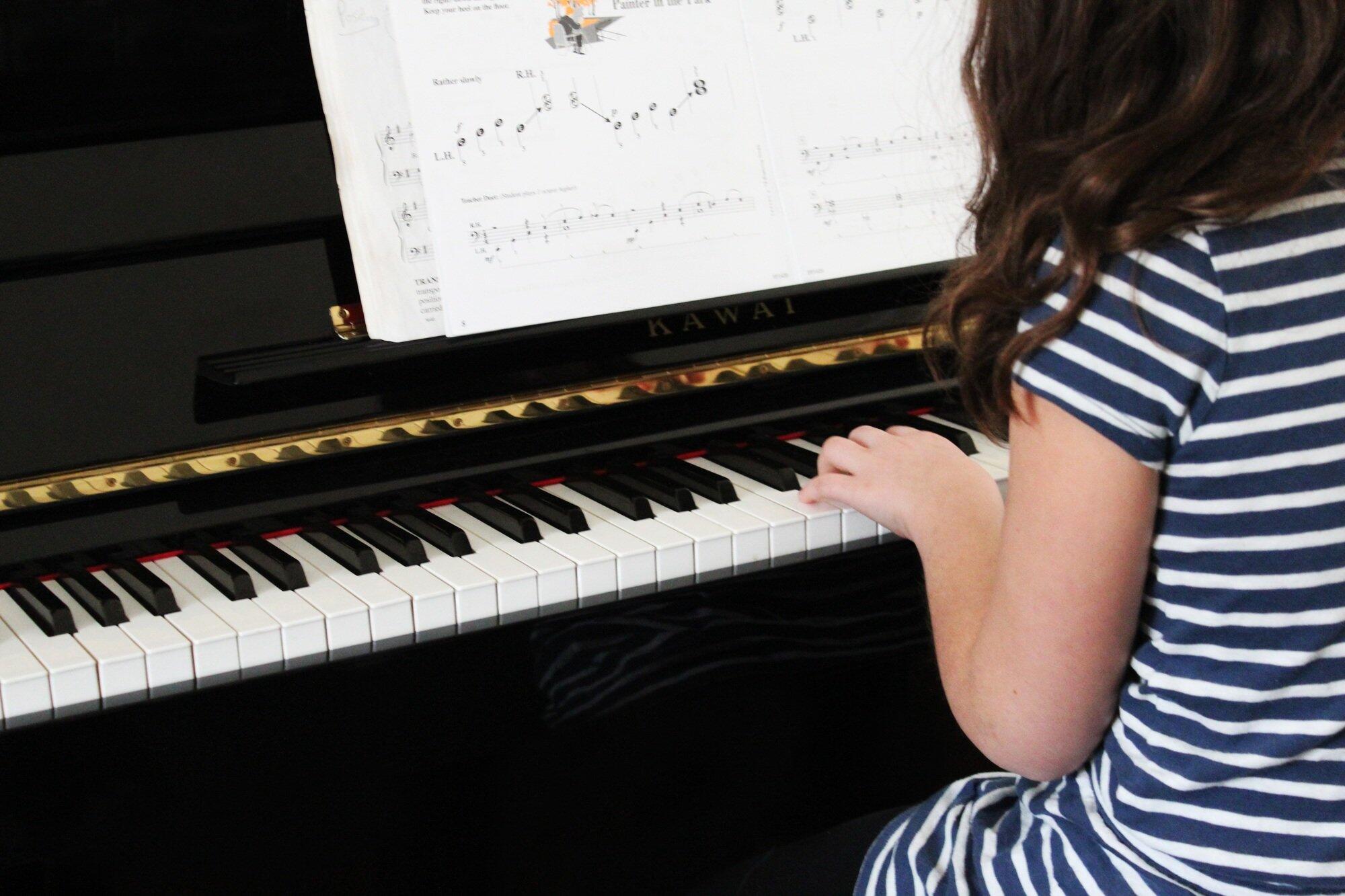
The keyboard family of instruments has long been a cornerstone of Western music. It has shaped everything from classical compositions to modern pop hits. Having a basic understanding of these instruments is invaluable.
Keyboard instruments serve as an essential tool in virtually every genre of music. This article will explore the various types of keyboard family instruments and why every musician should familiarize themselves with them. Read on.
What Are Keyboard Family Instruments?
Keyboard instruments are a class of musical instruments that are played using a keyboard. It's a row of keys that are pressed to produce sound. The earliest examples of keyboard instruments date back to ancient times.
However, it wasn't until the Baroque era that these instruments began to take on their current forms. Over the centuries, keyboards have evolved, leading to a wide variety of instruments, each with unique features and capabilities.
Types of Keyboard Family Instruments
Navigating through the world of keyboard family instruments can be overwhelming for any musician. Here are some of them:
Piano
The piano is arguably the most iconic and widely recognized keyboard instrument. It has undergone significant development since its invention in the early 1700s.
Today, pianos come in two primary types: the acoustic piano, which includes grand and upright pianos, and the digital piano, which uses electronic sensors and speakers to replicate the acoustic sound.
Acoustic Piano
The traditional piano uses hammers to strike strings inside the instrument, creating a rich, resonant sound. The touch and feel of an acoustic piano are integral to how it is played. This makes it a vital tool for students learning music theory and performance.
Digital Piano
Modern digital pianos emulate the sound of an acoustic piano but come with additional features, such as:
- volume control
- headphone jacks
- various sound settings
It makes them a great option for home musicians or those with limited space.
Organ
The organ is another prominent member of the keyboard family. Historically, organs were used in churches and large concert halls due to their powerful, resonant sound. The two main types of organs are the pipe organ and the electronic organ.
Pipe Organ
This is the traditional organ found in churches, with pipes that produce sound when air is blown through them. The organ has a complex and majestic sound, making it ideal for both religious music and classical compositions.
Electronic Organ
These modern versions use electronic components to mimic the sound of a pipe organ. While not as complex as their mechanical counterparts, electronic organs are more accessible and affordable for musicians who want to explore organ sounds.
Harpsichord
The harpsichord is an early keyboard instrument that was widely used during the Renaissance and Baroque periods. Unlike the piano, which uses hammers to strike strings, the harpsichord produces sound by plucking the strings when the keys are pressed. The distinct, metallic timbre of the harpsichord gives it a unique place in historical music, particularly in Baroque music by composers like:
- Bach
- Handel
- Scarlatti
Clavichord
The clavichord is a smaller, quieter instrument that preceded the fortepiano. It was favored by composers such as Mozart and Beethoven for private practice due to its intimate, expressive sound.
The clavichord's keys strike metal tangents that press against the strings, creating a sound that is both delicate and nuanced. While not as widely used today, the clavichord remains an important piece of musical history.
Synthesizer
In modern music, the synthesizer has become an essential tool for musicians in genres like electronic, pop, and experimental music. Synthesizers are electronic instruments that generate sounds through a variety of methods, including:
- oscillators
- filters
- modulation
They are capable of creating a wide array of sounds, from traditional piano tones to futuristic, otherworldly noises. Synthesizers can be used to replicate the sounds of other keyboard instruments or create entirely new sonic textures.
Choosing the Right Keyboard Instrument for You
When choosing a keyboard instrument, consider your musical goals, your style, and your available space. Here are some factors to keep in mind:
For Beginners
The acoustic piano is often seen as the gold standard, providing a tactile and expressive experience. However, digital pianos and synthesizers are more affordable and portable, offering a good starting point for new musicians.
For Classical Musicians
If you're interested in classical music, a traditional piano or a harpsichord will provide the authentic feel and sound needed for many works from the Baroque and Classical periods. Check out the Showroom for Kawai, Roland, and Bechstein Pianos in Melbourne to learn more.
For Contemporary Musicians
If you're drawn to modern genres like pop, rock, or electronic music, a synthesizer or digital piano might be more up your alley. These instruments are versatile, with the ability to replicate the sounds of traditional keyboards while also offering new sonic possibilities.
Why Every Musician Should Know Keyboard Instruments
While learning to play any instrument offers benefits, mastering keyboard instruments brings unique advantages. Here's why every musician should have at least a basic understanding of the keyboard family:
Music Theory
Keyboard instruments lay out the notes in a linear fashion. This makes it easier to visualize music theory concepts like scales, chords, and intervals. This helps musicians better understand the structure of music and improve their ability to:
- compose
- arrange
- improvise
Composition and Arrangement
Keyboard instruments allow musicians to play multiple notes simultaneously. This facilitates composition and arrangement in a way that's harder to achieve with single-note instruments like the guitar or violin. Whether you're:
- writing for an ensemble
- creating electronic music
The keyboard is an invaluable tool for shaping your musical ideas.
Versatility Across Genres
Keyboard instruments are essential in a wide range of musical genres. From classical and jazz to rock and electronic music, the keyboard is a central instrument that provides both harmony and melody. By learning keyboards, you broaden your musical skill set, making you a more versatile musician in any setting.
Enhanced Musicianship
Even if your primary instrument is something like guitar or drums, learning the basics of keyboards can deepen your overall musicianship. Understanding how different instruments interact in an ensemble, how harmony works, and how to create arrangements will make you a more well-rounded musician.
Learn to Play Keyboard Family Instruments Now
In conclusion, mastering keyboard family instruments is essential for any musician who wants to take their craft to the next level. Each instrument offers unique sounds and capabilities that can add depth and versatility to any performance.
So, don't wait any longer, pick up a keyboard today and start exploring the endless possibilities it has to offer. Happy playing!
If you want to read more articles, visit our blog.