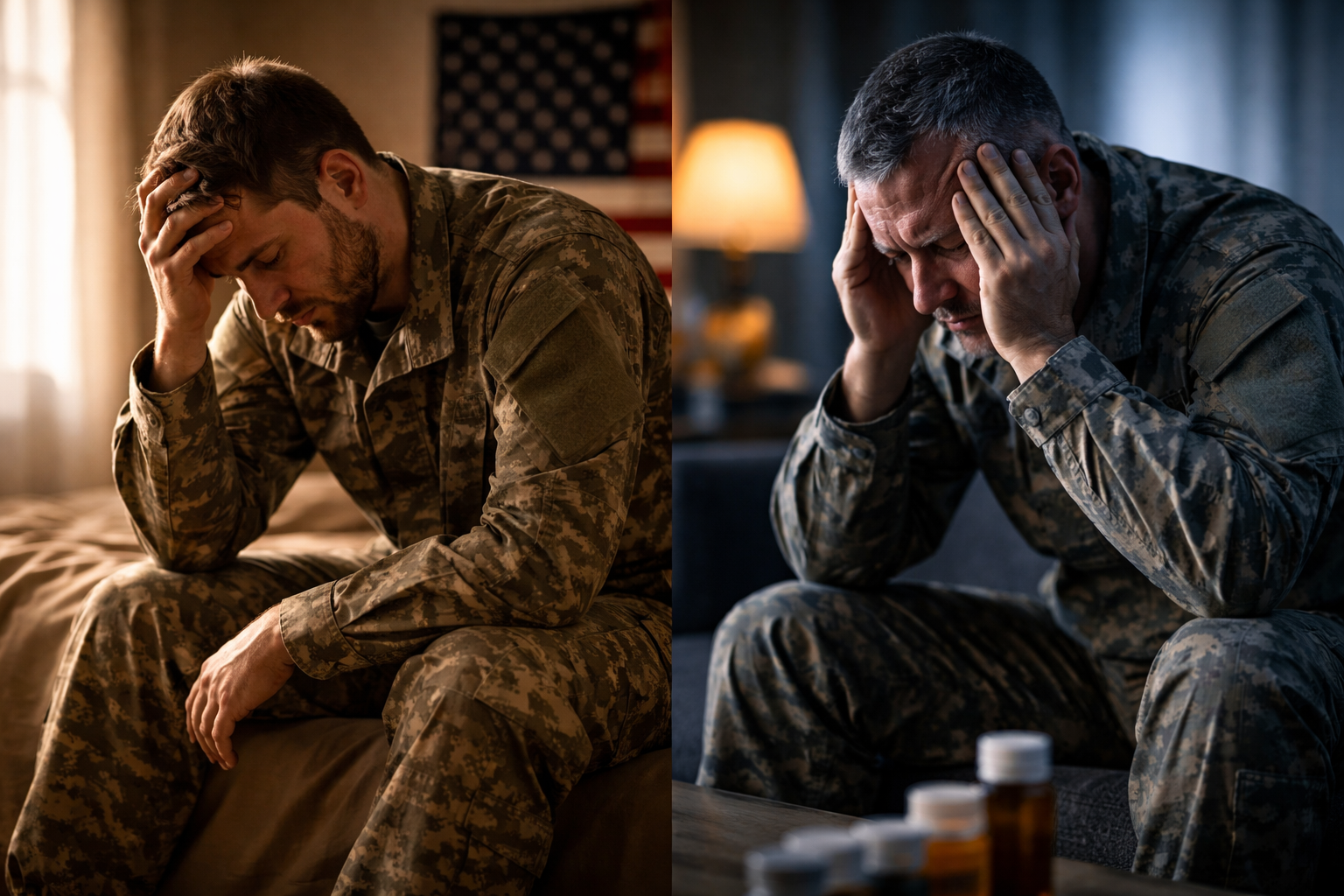
When people talk about trauma, the term PTSD often dominates the conversation. It’s widely recognised, clinically defined, and increasingly understood within Australian communities. But there’s another concept gaining attention — one that speaks less to fear and more to guilt, shame and a deep sense of ethical rupture: moral injury.
While the two can overlap, they are not the same. Understanding the difference between Moral Injury and Post-Traumatic Stress Disorder (PTSD) is essential for accurate diagnosis, appropriate support, and genuine healing.
What Is PTSD?
Post-Traumatic Stress Disorder (PTSD) is a diagnosable mental health condition that can develop after exposure to a traumatic event involving actual or threatened death, serious injury or sexual violence. This might include combat, assault, natural disasters, serious accidents, or witnessing violence.
PTSD is primarily a fear-based disorder. The brain’s survival system becomes dysregulated after trauma, leading to symptoms such as:
- Intrusive memories or flashbacks
- Nightmares
- Hypervigilance or exaggerated startle response
- Avoidance of reminders of the event
- Emotional numbing
- Irritability and sleep disturbance
At its core, PTSD reflects a nervous system that remains “stuck” in threat mode long after the danger has passed.
What Is Moral Injury?
Moral Injury, by contrast, is not currently classified as a formal mental health diagnosis. Instead, it refers to the profound psychological, emotional and spiritual distress that arises when someone perpetrates, witnesses, or fails to prevent actions that violate their deeply held moral beliefs or values. Rather than fear, the dominant emotions in Moral Injury are often:
- Guilt
- Shame
- Betrayal
- Anger
- Moral disorientation
- A loss of trust in self or others
It frequently affects individuals in high-stakes roles — military personnel, emergency responders, healthcare workers, and others who face ethically complex or life-altering decisions under pressure. However, it can occur in many contexts, including workplaces, families, and personal relationships.
Where PTSD asks, “Am I safe?”, Moral Injury asks, “Am I still a good person?”
The Core Difference: Fear vs. Moral Conflict
One of the clearest distinctions between PTSD and Moral Injury lies in the emotional driver behind the distress.
PTSD is rooted in fear and survival. The traumatic event overwhelms the nervous system, and the body struggles to recalibrate.
Moral Injury is rooted in ethical conflict. The individual’s sense of right and wrong is disrupted, often accompanied by intense self-judgement.
Someone with PTSD may avoid reminders because they trigger fear. Someone experiencing Moral Injury may avoid reminders because they trigger shame or self-condemnation.
Of course, both can occur together. A soldier, for example, may experience life-threatening combat (leading to PTSD) and also feel deep guilt about actions taken during deployment (leading to Moral Injury). The overlap can make assessment and treatment more complex.
Symptoms: Similar on the Surface, Different at the Core
There can be visible similarities between the two experiences:
- Withdrawal from others
- Emotional distress
- Sleep difficulties
- Irritability
- Depression
However, the underlying narrative differs.
With PTSD, the internal message may be: “I’m not safe. The world is dangerous.”
With Moral Injury, the internal message is more likely: “I’ve done something unforgivable,” or “I’ve failed my values.”
That difference matters. Treatment approaches that focus solely on fear processing may not fully address the moral or existential pain associated with Moral Injury.
Why the Distinction Matters in Treatment
PTSD is commonly treated using evidence-based psychological therapies such as trauma-focused cognitive behavioural therapy (TF-CBT) and EMDR (Eye Movement Desensitisation and Reprocessing). These approaches help the nervous system process traumatic memories and reduce fear-based reactivity.
Moral Injury, however, often requires a broader therapeutic lens. Effective support may involve:
- Exploring moral beliefs and values
- Addressing guilt and shame directly
- Facilitating self-forgiveness
- Rebuilding identity and meaning
- Repairing relationships
- Restoring trust
In some cases, spiritual or philosophical reflection also plays an important role. The healing process may involve moral reconciliation rather than trauma desensitisation alone. Misidentifying Moral Injury as purely PTSD can result in partial recovery, where fear symptoms improve but shame and ethical distress remain unresolved.
Who Is Most at Risk?
While PTSD can affect anyone exposed to trauma, Moral Injury is more commonly associated with roles involving responsibility for others’ wellbeing or life-and-death decisions. This includes:
- Defence personnel and veterans
- Police and emergency services
- Healthcare workers
- Humanitarian aid workers
- Leaders facing ethically complex decisions
That said, Moral Injury is not limited to these professions. Parents, partners, employees, and everyday Australians can also experience deep moral conflict following personal decisions or perceived failures.
Can You Have One Without the Other?
Yes – a person may develop PTSD after a car accident without any moral conflict attached. Conversely, someone may experience intense guilt or shame following an ethical dilemma without having been exposed to life-threatening trauma. However, the two often coexist — especially in high-intensity environments.
Moving Towards Healing
Understanding whether someone is experiencing PTSD, Moral Injury, or both is not about labelling — it’s about choosing the right path forward. Healing from PTSD often involves calming the nervous system and processing traumatic memories.
Healing from Moral Injury involves restoring a fractured sense of identity and values. It asks deeper questions about meaning, responsibility, and forgiveness — both from others and from oneself. In both cases, compassionate, informed psychological support is crucial. With appropriate care, individuals can rebuild a sense of safety, integrity and connection.
The language we use around trauma shapes how we respond to it
PTSD and Moral Injury may share some external features, but they arise from fundamentally different wounds. One stems from terror; the other stems from a rupture in conscience. Recognising that difference allows for more nuanced conversations, more targeted treatment, and — ultimately — more complete recovery.
If you or someone you know is struggling with trauma-related distress, seeking professional guidance can be a powerful first step towards understanding what lies beneath the surface — and beginning the journey back to wholeness.