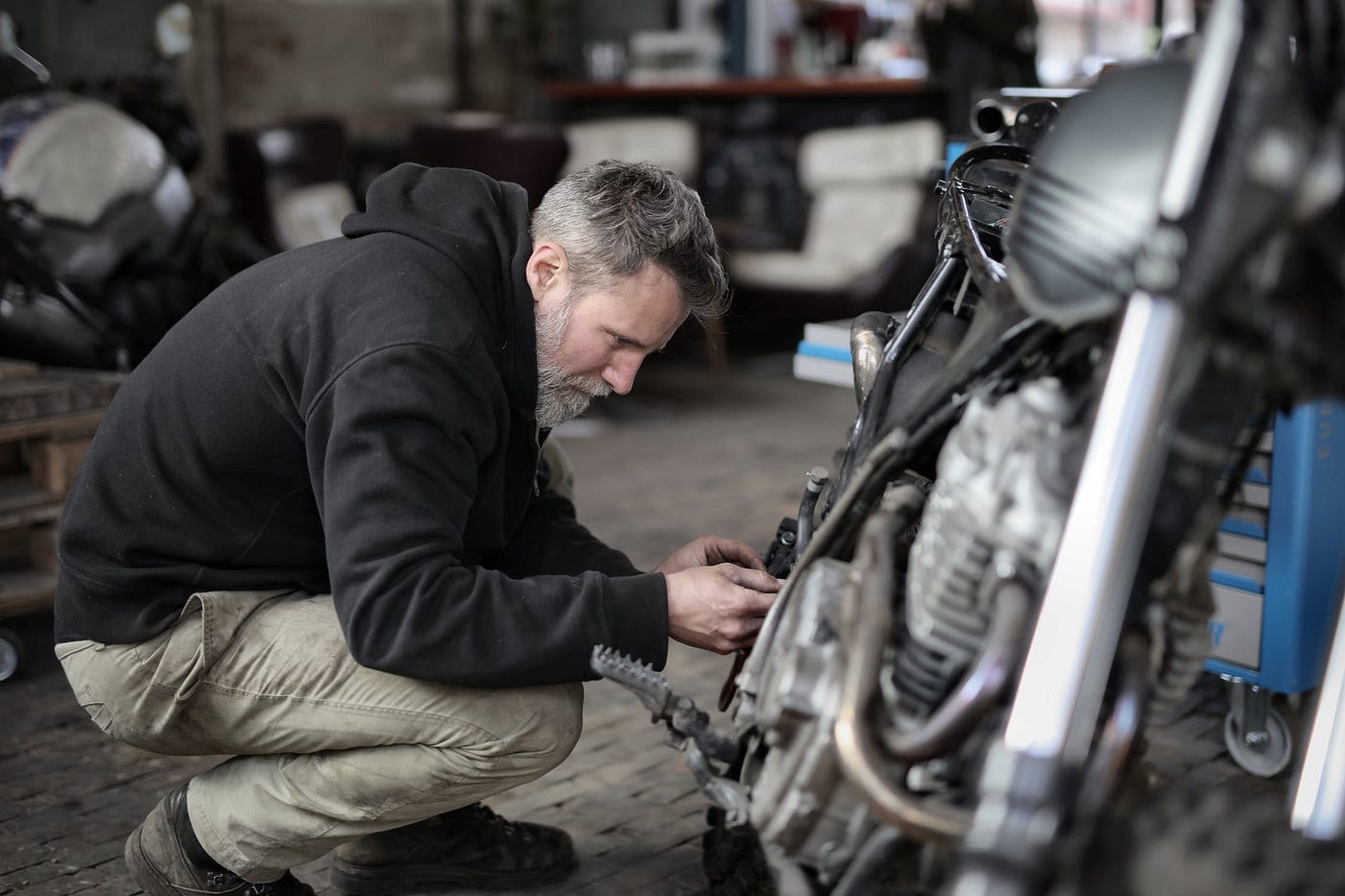
Are you one of the many people who love motorcycles? They are more than cars with no windshields and increased danger. They are a way of life that has been essential in making the world a smaller place yet also much more fun.
However, like any vehicle, motorcycles require proper care and maintenance to run as intended. Many people lack the correct knowledge to care for their bikes.
Are you interested in learning about the top motorcycle maintenance tips? If so, then read on for what you need to know!
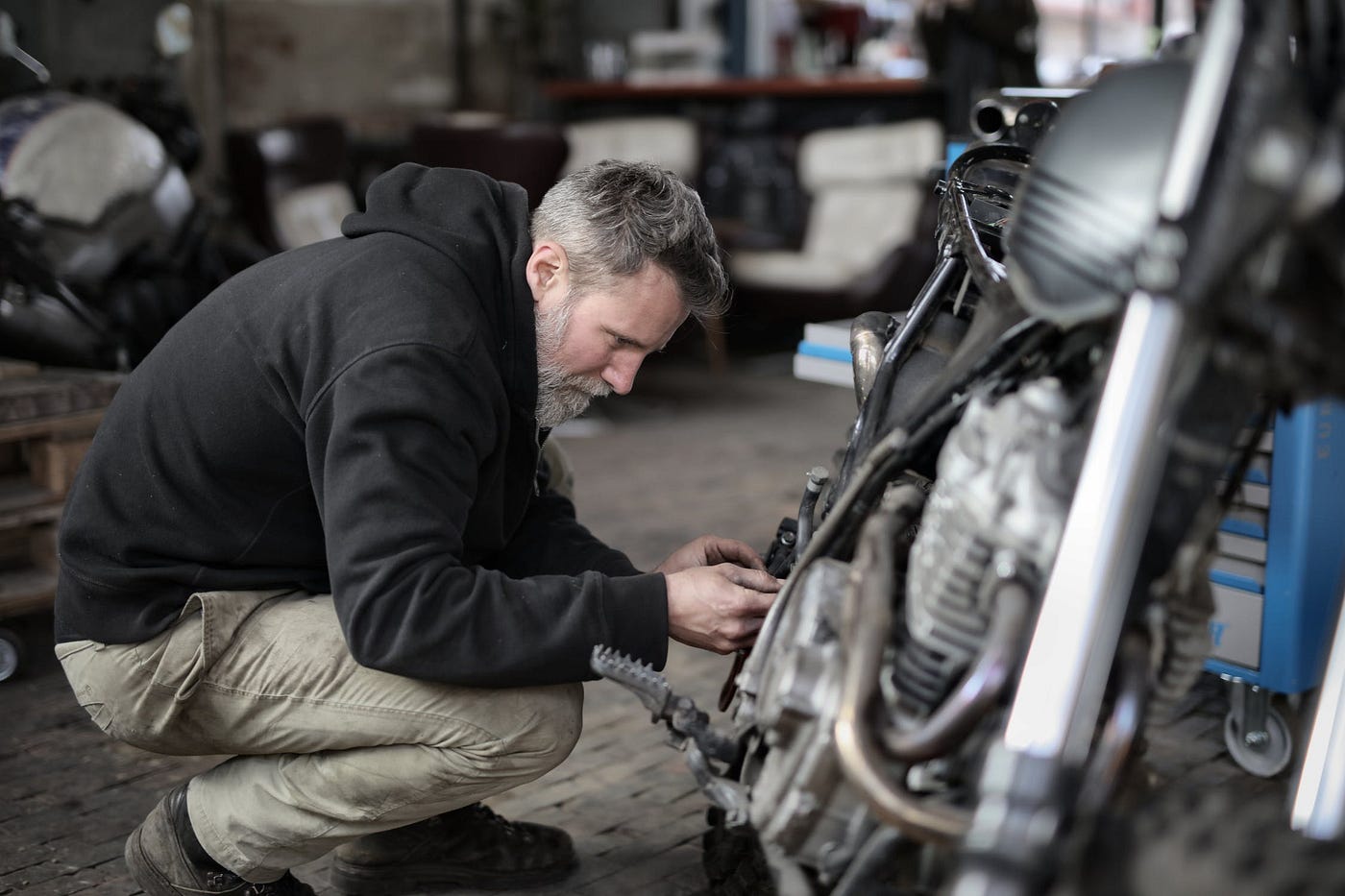
Check Your Tires Regularly
The significance of regular tire checks cannot be overstated. Maintaining appropriate tire pressure is essential. It's for the longevity of the tires, and for the overall riding experience.
Too low pressure could lead to overheating and premature tire wear. Whereas too much pressure can compromise grip and braking performance.
To measure tire pressure, use a reliable pressure gauge. Remember that tire pressure should be checked when the tires are cold. Heat can cause pressure to increase, leading to inaccurate readings.
Equally important is the checking of tread depth. Tread depth plays a key role in providing adequate grip, particularly in wet conditions. It also ensures optimum braking performance.
A worn-out tire increases the risk of accidents due to reduced traction. As a rule of thumb, if your tread depth is less than 2mm, it's time to consider replacing your tire.
Regular Oil Changes
Just like with cars, motorcycles also need regular oil changes. The frequency of oil changes may vary depending on your riding habits and the type of oil you use. Make sure to consult your owner's manual for the recommended intervals.
Over time, the oil deteriorates and loses its effectiveness, making regular oil changes imperative. Failure to replace oil can result in poor engine performance and higher fuel consumption. Or even severe engine damage.
When changing your motorcycle's oil, it's also important to replace the oil filter. The filter helps to remove impurities from the oil. This ensures that only clean oil circulates within the engine.
Always use the type and grade of oil recommended by your motorcycle manufacturer, like 10w40 motorcycle oil. Different motorcycles require different types of oil. Using the wrong one can harm your engine's performance and lifespan.
Keep Your Chain Clean and Lubricated
The chain is another important component that needs proper maintenance. An ill-maintained chain can lead to issues like reduced fuel efficiency and poor acceleration. In the worst cases, a chain snap while riding - a dangerous proposition for any rider.
Cleaning the chain thoroughly removes dirt, grime, and old motorcycle lubricants that can cause wear over time. You can use a specialized chain cleaning brush and a quality chain cleaner for this purpose. This will help to dislodge stubborn dirt and grease, ensuring that the chain is ready for lubrication.
After cleaning, apply a fresh coat of lubricant next. The chain lube not only reduces friction between the chain's links but protects it from rust and corrosion. Apply the lube evenly across the chain, ensuring you cover all links.
Inspect Your Brakes
A brake check is essential for safety. Start by examining the brake pads. These should have a minimum thickness of about 2mm or as specified by your motorcycle's manufacturer.
Brake fluid also needs to be checked and replaced regularly. Over time, brake fluid can absorb moisture, which lowers its boiling point and leads to a spongy or weak brake feel. Remember to always use the type of brake fluid recommended in your owner's manual.
Make sure to inspect your brake discs for signs of wear or damage. Discs with deep grooves, cracks, or warping need to be replaced. Also, monitor for unusual noises when you apply the brakes, as this could be a sign of a problem.
Check Your Fluids
Aside from oil, make sure to regularly check the levels of other fluids, such as coolant, brake fluid, and transmission oil. Low levels can lead to serious problems with your bike's performance.
Coolant is responsible for keeping your engine from overheating. Regularly check the coolant level in the respective reservoir. If the level drops frequently, it could indicate a leak in the cooling system, which needs immediate attention.
For motorcycles with a separate transmission, the transmission fluid is another important fluid to check. This fluid lubricates the gears and bearings in the transmission, facilitating smooth gear shifts and prolonging the life of the transmission components. A low level of transmission fluid could lead to gear-shifting issues and potential transmission damage.
Battery Care
Check the battery terminals regularly for any signs of corrosion, as this could lead to poor electrical connections. If you find any corrosion, clean the terminals with a mixture of baking soda and water. Then, apply a thin layer of petroleum jelly to prevent future corrosion.
Aside from that, it's also important to keep the battery charged, especially if you're not riding regularly. A motorcycle battery can self-discharge over time, leading to a situation where it might not have enough power to start the engine. To prevent this, consider using a trickle charger, which can keep the battery charged at the correct level without the risk of overcharging.
For those with a maintenance-free battery, checking the electrolyte level isn't necessary. However, if you have a conventional lead-acid battery, ensure the electrolyte level is between the upper and lower marks. If the electrolyte level is low, refill it with distilled water. Never use tap water as it contains minerals that can damage the battery.
Spark Plug Replacement
Regularly checking and replacing your spark plugs should be a part of your motorcycle maintenance routine. Look for signs of wear such as a damaged electrode, carbon build-up, or an oil-fouled insulator. These indicators suggest that it's time for a replacement.
When replacing your spark plugs, consider your motorcycle manufacturer's recommended spark plug type and gap specifications. The gap between the spark plug electrodes is crucial for generating a strong and reliable spark for combustion. A gap that's too large or too small can affect engine performance.
The Importance of Motorcycle Maintenance for Peak Performance
Proper motorcycle maintenance is crucial in maximizing performance and ensuring a safe riding experience. By following these top tips, riders can prolong the lifespan of their bikes and save money on costly repairs.
Don't neglect your bike's needs - start implementing these maintenance practices today and enjoy a smoother, more efficient ride. Keep your bike at its best and hit the road with confidence.
Did you find this article helpful? Visit more of our blogs!