In food and beverage production, it’s rarely the big-ticket equipment that quietly drains time and profit. More often, the trouble starts in the small joinery that connects everything together. A tiny seep at a coupling, a clamp that never quite seats properly, or a thread that chews up a seal can turn a smooth run into a stop-start day. And because these issues look minor at first glance, they’re the easiest to dismiss until they become a pattern.
Food-grade systems are unforgiving by design. They deal with heat, pressure changes, vibration, cleaning chemicals and frequent dismantling. When connections aren’t built for that reality, the cost shows up as lost product, longer cleaning cycles, and avoidable maintenance. It also shows up where it hurts most: quality consistency and hygiene confidence.
Small leaks create big losses
A slow leak doesn’t feel dramatic. It might be a damp patch under a pump, a sticky film near a valve, or a faint aroma during transfers. But over a production week, those drips add up to measurable product loss. Just as importantly, a leak is a signal that something in the connection isn’t holding tolerance.
Cheap connections often struggle with repeatable sealing. Surfaces can be rougher, dimensions less consistent, and mating faces slightly out. That puts extra pressure on gaskets and O-rings, which then flatten or tear sooner. Once seals start failing early, teams compensate by over-tightening clamps or forcing threads, which creates its own problems: distorted ferrules, damaged seats, and fittings that never quite line up again.
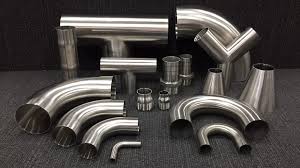
This is where properly manufactured stainless steel fittings make a difference. When the fit is consistent and the finish is smooth, seals do their job without being punished, and connections remain stable through repeated cycles of assembly, operation and cleaning.
Lint and contamination don’t arrive by accident
“Lint” is often shorthand on the floor for any unexpected contamination. It might be fibres from cloths, tiny fragments from degraded seals, or residue that breaks loose after a rushed clean. When systems are constantly being opened because connections are unreliable, the exposure risk climbs. Every extra break in the line is an extra chance for ingress, especially in busy environments where hoses, tools and hands are moving quickly.
Food-grade setups benefit from connections designed around hygienic principles: smooth internal profiles, minimal crevices, and materials that hold up to caustic and acid cleaning regimes. If a fitting has poor internal geometry or creates dead spots, it encourages residue build-up. That residue doesn’t always show up immediately, but it can create off-flavours, inconsistent carbonation, or stability issues down the track.
Using stainless steel adaptors that transition cleanly between components is a simple way to reduce these weak points. When adaptors are chosen to match sanitary standards and the correct connection type, they help maintain a continuous, cleanable pathway rather than creating awkward interfaces that trap product.
Downtime is the most expensive ingredient
Repairs and reworks rarely happen at convenient times. A failed fitting during transfer can pause packaging, stall fermentation schedules, and force product to sit longer than planned. Even when the fix is simple, the interruption isn’t. CIP schedules shift, staff are pulled off other work, and production windows tighten.
Higher-quality connection systems are designed for fast, confident servicing. Tri-clamp style joins, properly matched gaskets, and pressure-capable assemblies reduce the need for constant tinkering. The goal is not “never touch it,” but “touch it and trust it.” When a connection is rebuilt, it should reseal predictably without guesswork.
Better connections protect quality and compliance
Food-grade operations sit under clear expectations around hygiene, traceability and repeatability. Reliable stainless steel fittings support that by making cleaning more effective and reducing surprise variables. Better surface finishes help CIP work as intended. Correctly rated components handle real operating pressures. Well-made valves, clamps and seals keep product where it belongs and reduce the chance of unplanned exposure.
Choosing stainless steel adaptors and fittings built for hygienic service isn’t an upgrade for show. It’s a practical decision that protects yield, reduces downtime, and supports consistent quality from the first litre to the last.