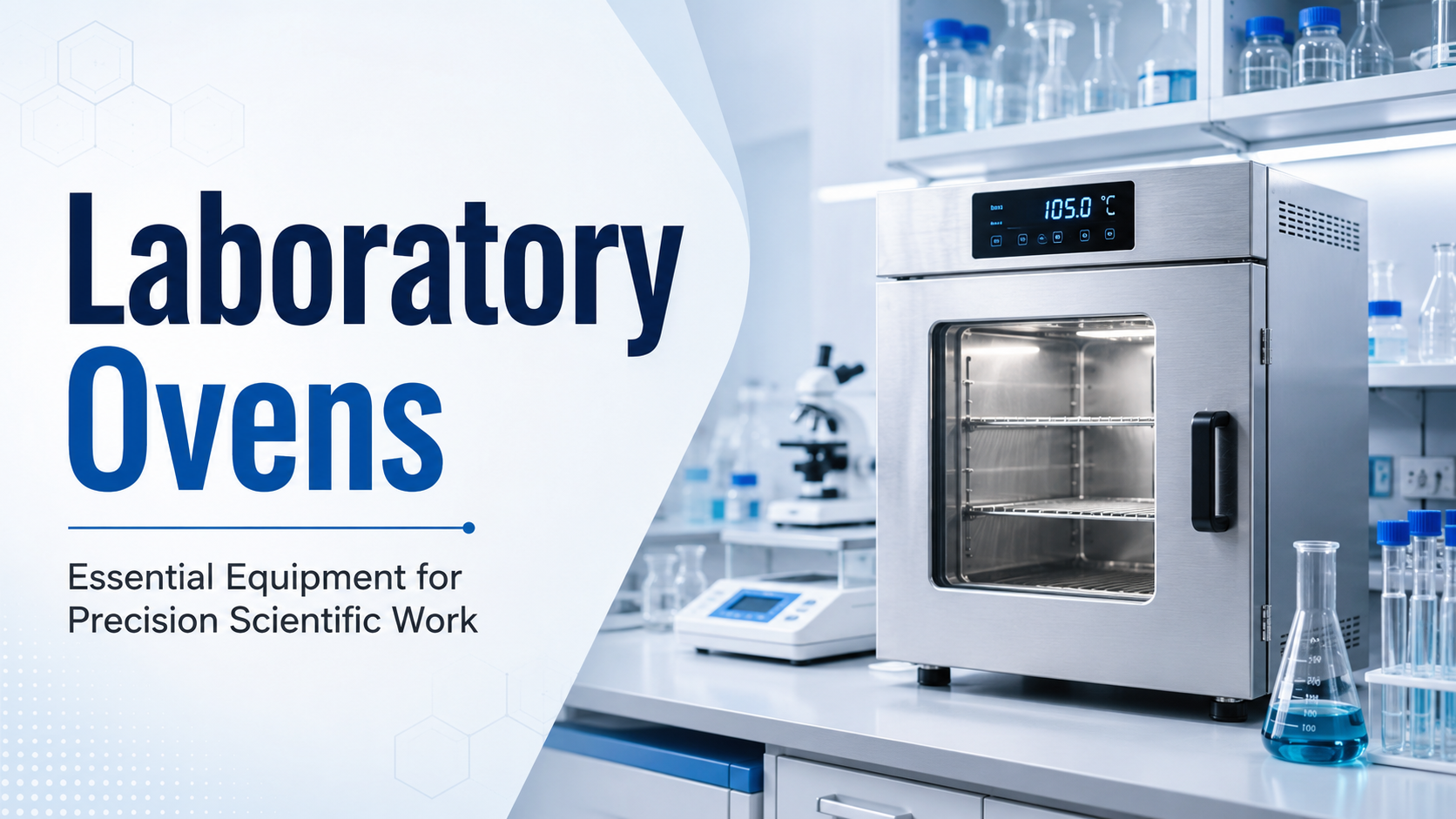
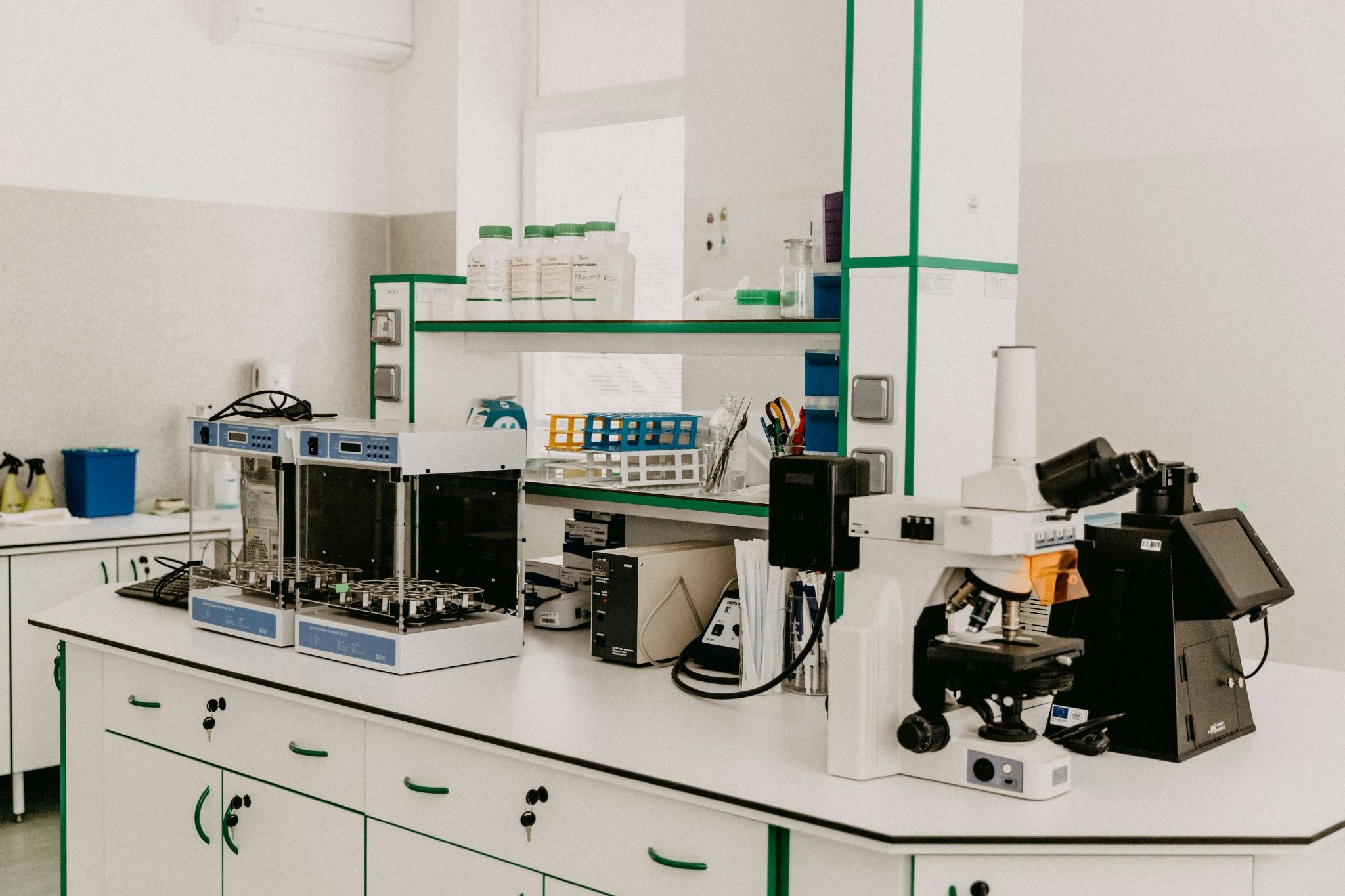
Laboratory ovens represent critical equipment in modern scientific research, medical facilities, and industrial laboratories worldwide.
These precision instruments provide accurate temperature control necessary for countless applications requiring thermal processing and material preparation.
Key Takeaways
-
Laboratory ovens deliver precise thermal convection for sterilisation, drying, and heat treatment applications across multiple industries.
-
Multiple specialised oven types exist for different applications, including dehydrating, vacuum drying, and flame-proof configurations.
-
Advanced temperature control systems ensure consistent, repeatable results essential for research integrity and quality assurance.
-
Australian manufacturers produce laboratory ovens meeting international safety standards with local support and expertise.
-
Proper maintenance and safety precautions extend equipment lifespan while protecting laboratory personnel and samples.
Understanding Laboratory Oven Functionality
A laboratory oven is a sophisticated piece of equipment designed to deliver precise thermal convection for various scientific applications.
These devices typically feature fan-forced systems ensuring even temperature distribution throughout the internal chamber.
Temperature control represents the cornerstone of laboratory oven performance in scientific work.
Pinpoint accuracy enables researchers to achieve reliable, repeatable outcomes essential for validating experimental results and maintaining data integrity.
The internal chamber design determines how effectively heat distributes throughout the oven space.
Well-engineered airflow systems prevent hot spots and cold zones, ensuring uniform thermal treatment of all samples regardless of placement.
Modern laboratory ovens incorporate digital controllers and advanced monitoring systems providing real-time feedback.
These systems allow operators to track temperature fluctuations and maintain precise thermal conditions throughout operational periods.
Diverse Applications Across Scientific Fields
Laboratory ovens serve countless purposes spanning research institutions, medical facilities, manufacturing environments, and forensic laboratories.
Each application requires specific temperature ranges, heating rates, and chamber configurations for optimal performance.
Sterilisation represents one of the most critical laboratory oven applications, ensuring complete elimination of microorganisms.
Hospital laboratories and research facilities depend on sterilisation ovens maintaining temperatures and exposure times meeting safety standards.
Sample preparation through drying requires careful temperature management, preventing material degradation while removing moisture content.
Chemical compounds and biological specimens often demand low-temperature drying to prevent damage to sensitive structures.
Heat treatment applications utilize laboratory ovens for material testing, thermal aging simulation, and component hardening.
Manufacturing quality assurance programs depend on controlled heating processes validating material properties and performance characteristics.
Specialised Laboratory Oven Types
General purpose laboratory ovens serve multiple functions including heat treatment, thermal storage, and basic sterilisation work.
These versatile units typically operate at temperatures up to 300 degrees Celsius in both fan-forced and non-fan-forced configurations.
Dehydrating ovens specifically address moisture removal from sensitive materials without causing damage.
Chemists and biologists rely on these units for processing wood, soil samples, and biological specimens requiring consistent low-moisture environments.
Flame-proof laboratory ovens meet stringent Australian safety standards, protecting laboratories handling volatile substances.
Paint, bitumen, varnish, and solvent-based materials necessitate specialized ovens designed specifically for hazardous chemical environments.
Glassware drying ovens maintain temperatures around 80 degrees Celsius, providing safe, efficient cleaning support.
These compact benchtop units feature cool-touch exterior surfaces preventing contamination risks while simplifying analytical work procedures.
High-performance ovens deliver exceptional thermal control for pharmaceutical testing, material research, and quality assurance applications.
Precise temperature regulation supports advanced testing protocols requiring minimal deviation and maximum repeatability.
Large capacity ovens accommodate bulk sample processing and heavier loads without compromising accuracy.
Uniform heat distribution ensures consistent results across multiple samples processed simultaneously, improving laboratory efficiency.
Air flow ovens feature horizontal airflow across shelves, ensuring even drying, particularly in loaded chambers.
This design prevents moisture accumulation and ensures adequate air circulation reaching all sample materials.
Vacuum drying ovens utilize reduced pressure environments, protecting heat-sensitive and oxidation-prone samples.
This specialized approach preserves sample integrity while reducing processing time, benefiting time-sensitive research projects.
Choosing the Right Laboratory Equipment
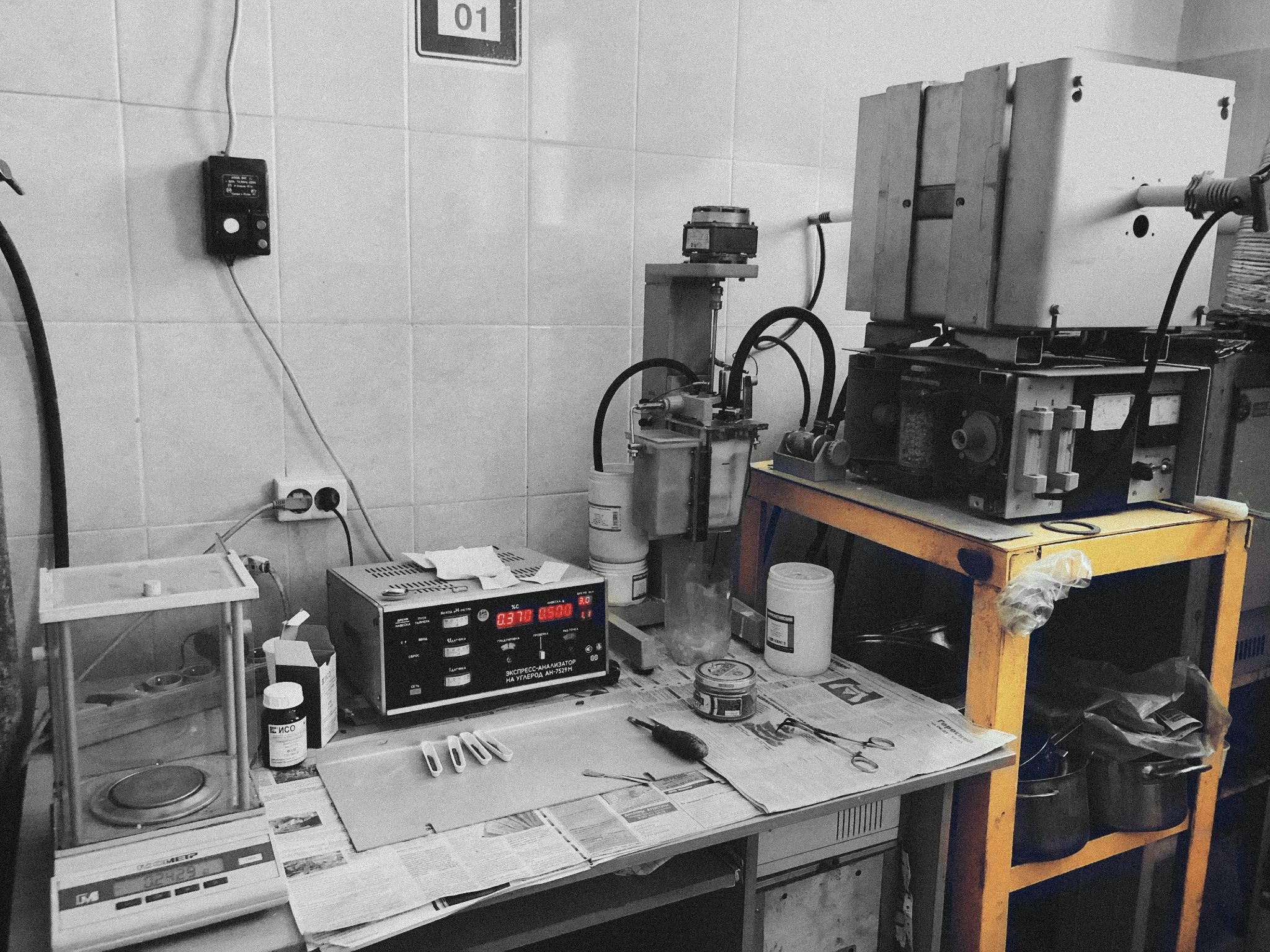
When exploring options, laboratories can lab oven selections from experienced manufacturers matching their specific thermal processing requirements.
Australian suppliers specializing in laboratory equipment understand diverse industry needs and can recommend appropriate solutions.
Evaluating laboratory needs begins with clearly defining temperature requirements, capacity demands, and specialized features.
Reviewing intended applications ensures selected equipment provides functionality matching actual workflow requirements.
Safety compliance represents an essential consideration when selecting laboratory ovens for any facility.
Equipment meeting Australian standards, including AS1681 and AS1044, ensures personnel protection and regulatory compliance.
Budget considerations extend beyond initial purchase price, including operational costs and long-term maintenance requirements.
Investing in quality equipment from reputable manufacturers typically reduces lifetime costs through improved durability and reliability.
Safety Considerations and Proper Usage
Laboratory ovens require careful handling and adherence to strict safety protocols protecting personnel and samples.
Equipment must be positioned indoors in dry locations on even, flat surfaces, preventing tipping or instability.
Flammable materials including cotton, plastic, paper, and solvents must remain distant from operating ovens.
These materials pose serious fire hazards when exposed to high temperatures and represent significant safety risks.
Appropriate personal protective equipment becomes essential when handling hot materials from laboratory ovens.
Heavy-duty gloves protect against burns while other protective gear prevents contact with hazardous substances.
Adequate ventilation prevents heat accumulation and removes fumes from volatile substances during processing.
Poorly ventilated spaces risk equipment damage and create uncomfortable working conditions for laboratory personnel.
Maintenance Requirements and Longevity
Regular maintenance extends laboratory oven lifespan while ensuring consistent performance over extended service periods.
Checking electrical connections regularly identifies potential hazards before failures occur.
Dust accumulation reduces heat transfer efficiency and should be removed periodically from internal and external surfaces.
Maintaining clear ventilation ports prevents blockages that compromise equipment performance and safety.
Inspecting heating elements and fans for damage ensures continued proper function and prevents unexpected equipment failure.
Prompt replacement of worn components prevents cascading failures affecting multiple systems.
Professional calibration services verify temperature accuracy meeting laboratory standards for precision work.
Annual calibration confirms equipment maintains required specifications supporting quality assurance requirements.
Advantages of Purchasing Locally-Made Equipment
Australian manufacturers with 80 years of expertise provide superior products backed by comprehensive local support.
Quick turnarounds and customisation options allow laboratories to obtain equipment tailored to specific requirements.
Local manufacturing ensures quality control standards and construction durability tested through decades of experience.
Australian-made laboratory equipment often proves more reliable and cost-effective than imported alternatives.
Ready availability of spare parts and service support means repairs happen quickly, minimizing operational downtime.
Technical expertise from local manufacturers helps optimize equipment performance and troubleshoot issues efficiently.
Investment in locally-made equipment supports domestic manufacturing while reducing international shipping costs and delays.
Laboratory managers appreciate simplified logistics and direct relationships with equipment providers.
Quality Assurance and Certification
ISO 9001:2015 certification indicates commitment to quality standards and continuous improvement processes.
Accredited manufacturers maintain rigorous quality control, ensuring consistent product excellence.
Compliance with Australian safety standards protects laboratory workers and validates equipment reliability.
Standards-certified equipment demonstrates that manufacturers understand and meet regulatory requirements.
Warranty coverage and support agreements protect laboratory investments, ensuring access to professional assistance.
Conditional warranties typically cover manufacturing defects while outlining responsibilities for proper maintenance.
Frequently Asked Questions
1. What is a laboratory oven and what does it do?
A laboratory oven delivers precise thermal convection for sterilising, drying, and heat-treating materials in scientific applications.
These devices typically feature fan-forced systems ensuring even temperature distribution throughout the internal chamber.
2. Why is temperature control so important in laboratory ovens?
Accurate temperature control ensures reliable, repeatable results essential for research validity and data integrity.
Many materials become damaged or unusable if exposed to incorrect temperatures, requiring precise thermal management.
3. How often should laboratory ovens be calibrated and maintained?
Annual calibration verifies temperature accuracy meeting laboratory standards for precision work.
Regular maintenance including cleaning, inspection, and component checks should occur monthly or as manufacturer recommendations specify.
4. Which type of laboratory oven is best for general laboratory use?
General purpose laboratory ovens work well for multiple applications including heat treatment and sterilisation.
These versatile units operate up to 300 degrees Celsius, accommodating most standard laboratory drying and heating requirements.
5. What safety precautions must be observed when operating laboratory ovens?
Position ovens indoors on level surfaces away from flammable materials and keep adequate ventilation maintained.
Always wear protective gloves when handling hot materials and never operate equipment unattended during high-temperature processing.