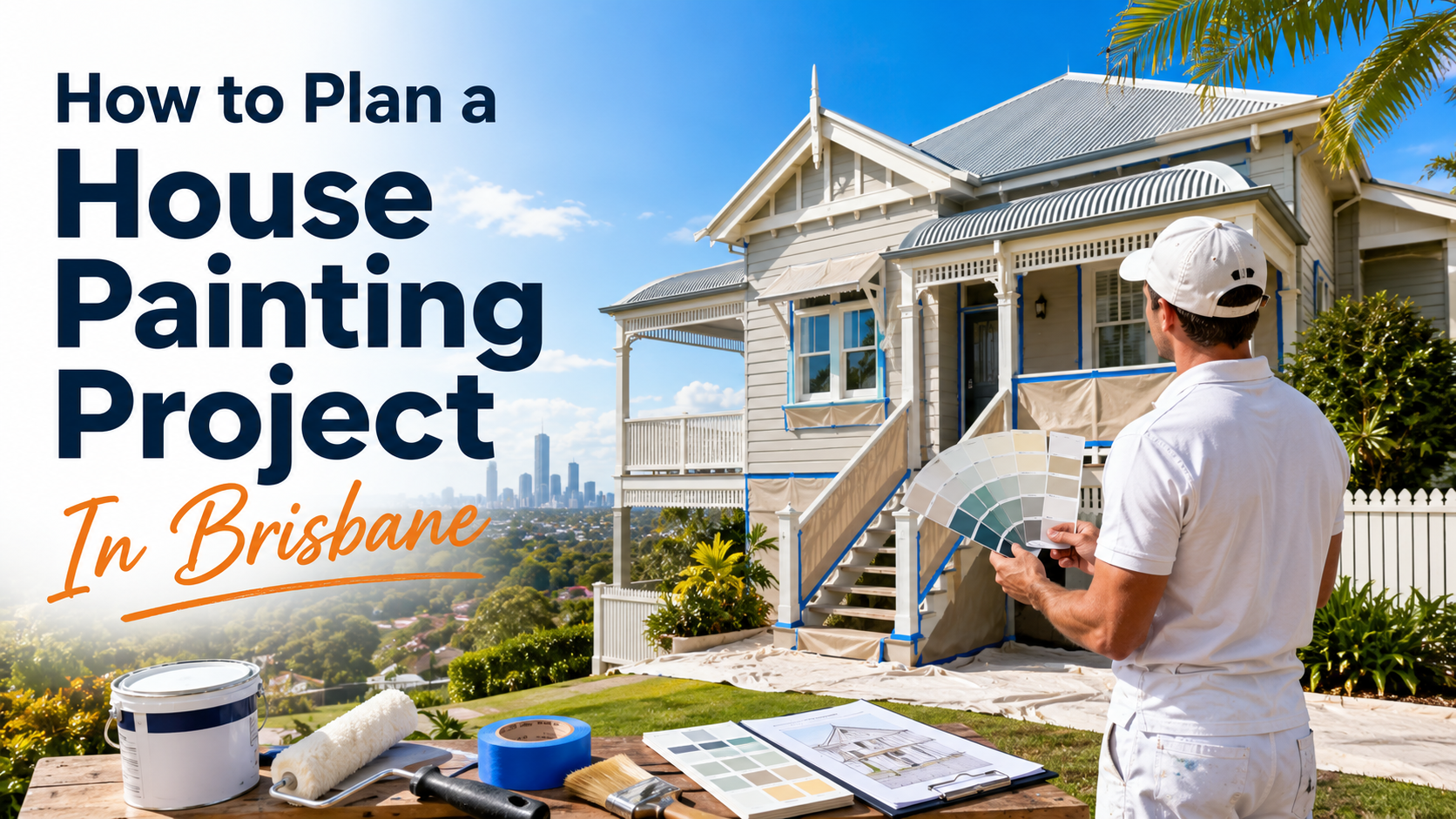
A fresh coat of paint is one of the cheapest ways to lift a tired home. On the Brisbane Southside, sun, humidity, and salt air all wear a finish down faster than you expect. Planning the job well saves both money and weekend stress.
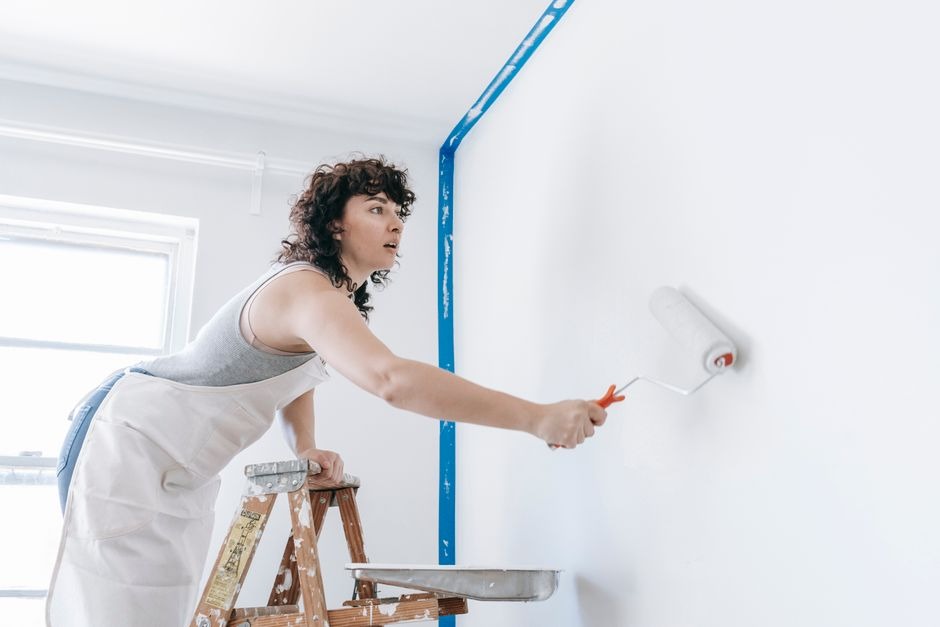
Alt text: Painter on a step ladder rolling white paint onto an interior wall lined with blue painter's tape
Most owners only repaint every 7 to 10 years, so the details get forgotten. Getting quotes from local Painters Brisbane Southside early helps you compare scope and price. This guide walks through timing, prep, colour, and how to pick the right person for the work.
When Should You Repaint a Queensland Home?
Most homes need a repaint when the surface starts to fade, chalk, or crack. In Brisbane, the climate speeds that timeline up.
Interior walls in low-traffic rooms can last 10 years or more. High-traffic spaces, such as hallways and kids' rooms, often need a touch-up every 5 to 7 years. Kitchens and bathrooms wear faster because of steam and grease.
Exterior paint takes the real beating here. Strong UV and summer storms break down older coatings within 6 to 8 years. North-facing and west-facing walls fade first, so check those before the rest.
Watch for these warning signs on the outside of the house:
-
Flaking or peeling around window frames and gutters
-
Faded, patchy colour on sun-exposed walls
-
Hairline cracks in render or weatherboard
-
Mould or mildew in shaded, damp corners
Acting early keeps a small job small. Once timber or render is exposed, repairs cost far more than a simple recoat.
What Does Good Surface Prep Involve?
Prep is the part that decides how long a paint job lasts. Skipping it is the most common reason a finish fails within two years.
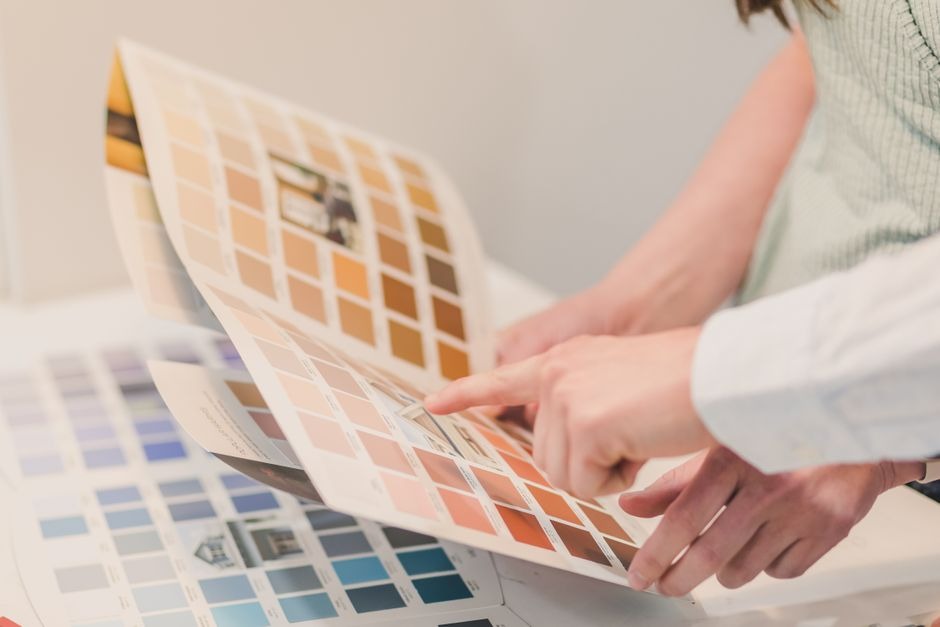
Photo by RDNE Stock project on Pexels
Alt text: Two people comparing paint colour swatches from a sample brochure to choose a finish
A solid prep routine follows a clear order. Each step sets up the next one for a clean, lasting result.
-
Wash every surface to remove dirt, salt, and mould.
-
Scrape and sand back any loose or flaking paint.
-
Fill cracks, dents, and nail holes, then sand smooth.
-
Prime bare timber, render, and any patched areas.
-
Tape edges and cover floors before the first coat.
Older Southside homes deserve extra care during this stage. Many Queenslanders built before 1970 carry lead-based paint under newer coats. House paint from that era is a known source of lead exposure.
If you suspect old lead paint, do not sand it yourself. Have it tested first, then let a professional handle removal safely. This protects your family and any tradespeople on site.
How Do You Choose Colours for the Local Climate?
Colour choice is part style and part science. In a hot, bright climate, the wrong shade can make a room feel like an oven.
Lighter exterior colours reflect heat and stay cooler in summer. Dark walls absorb more heat and fade faster under harsh UV. For roofs and west-facing walls, mid to light tones are the safer bet.
Finish matters as much as colour. Use these simple rules as a starting point:
-
Flat or matte: hides wall flaws, best for low-traffic ceilings
-
Low-sheen: a practical all-rounder for most interior walls
-
Semi-gloss: tougher and washable, good for kitchens and trims
-
Gloss: hard-wearing for doors, frames, and skirting
Air quality is worth a thought too. Open windows and doors to ventilate well during any indoor painting. Low-VOC paints reduce fumes and suit families with young children or asthma.
Always test colours on the actual wall before you commit. Paint two coats of each sample and view them at morning, noon, and dusk.
How Do You Hire a Licensed Local Painter?
Hiring the right painter is the step that protects your money. In Queensland, larger jobs legally require a licensed tradesperson.
The state regulator sets a clear rule here. Under QBCC licensing rules, a licence is needed for building work valued over $3,300. That figure covers labour and materials combined. Most full-house repaints sit well above that line.
Before you sign anything, run through a quick checklist:
|
Check |
Why it matters |
|
Valid QBCC licence |
Legal cover for jobs over $3,300 |
|
Public liability insurance |
Protects against on-site damage |
|
Written, itemised quote |
Stops surprise costs later |
|
At least 3 recent reviews |
Shows real, recent work quality |
|
Clear start and finish dates |
Keeps the project on track |
Reviews carry real weight in this trade. Strong customer reviews signal a painter who shows up and finishes well. Read the most recent ones, not just the five-star average.
Get three quotes so you can compare fairly. A painter who is easy to find through local search is usually active and contactable. The cheapest bid is rarely the best value over ten years.
What to Keep In Mind
-
Repaint exteriors every 6 to 8 years in the Brisbane climate.
-
Prep is where a job is won or lost, so never rush it.
-
Test old paint for lead in homes built before 1970.
-
Pick lighter exterior tones to reflect heat and slow fading.
-
Confirm a QBCC licence for any job over $3,300.
-
Compare three quotes and read recent reviews before you book.
Getting Your Brisbane Paint Job Right
A good paint job is mostly planning, not luck. Sort the timing, prep, colour, and licensing first, and the result lasts for years. Take your time choosing a painter, and your Southside home will thank you for it.
Frequently Asked Questions
How Often Should I Repaint My House In Brisbane?
Exterior paint in Brisbane usually lasts 6 to 8 years because of strong UV and storms. Interior walls can stretch to 10 years in low-traffic rooms. Kitchens, bathrooms, and hallways wear faster and may need attention every 5 to 7 years.
Do I Need a Licensed Painter In Queensland?
Yes, for most jobs. The QBCC requires a licence for building work valued over $3,300, including labour and materials. A full-house repaint almost always passes that threshold, so always check the licence first.
What Paint Finish Is Best for Queensland Homes?
Low-sheen works well for most interior walls because it balances looks and durability. Semi-gloss suits kitchens, bathrooms, and trims that need regular wiping. For exteriors, choose a quality weather-rated paint in a lighter tone.
Is Old Paint In My Home a Health Risk?
It can be in older houses. Homes built before 1970 may have lead-based paint under newer coats. Have suspect paint tested, ventilate during any indoor painting, and let a professional remove lead paint safely.