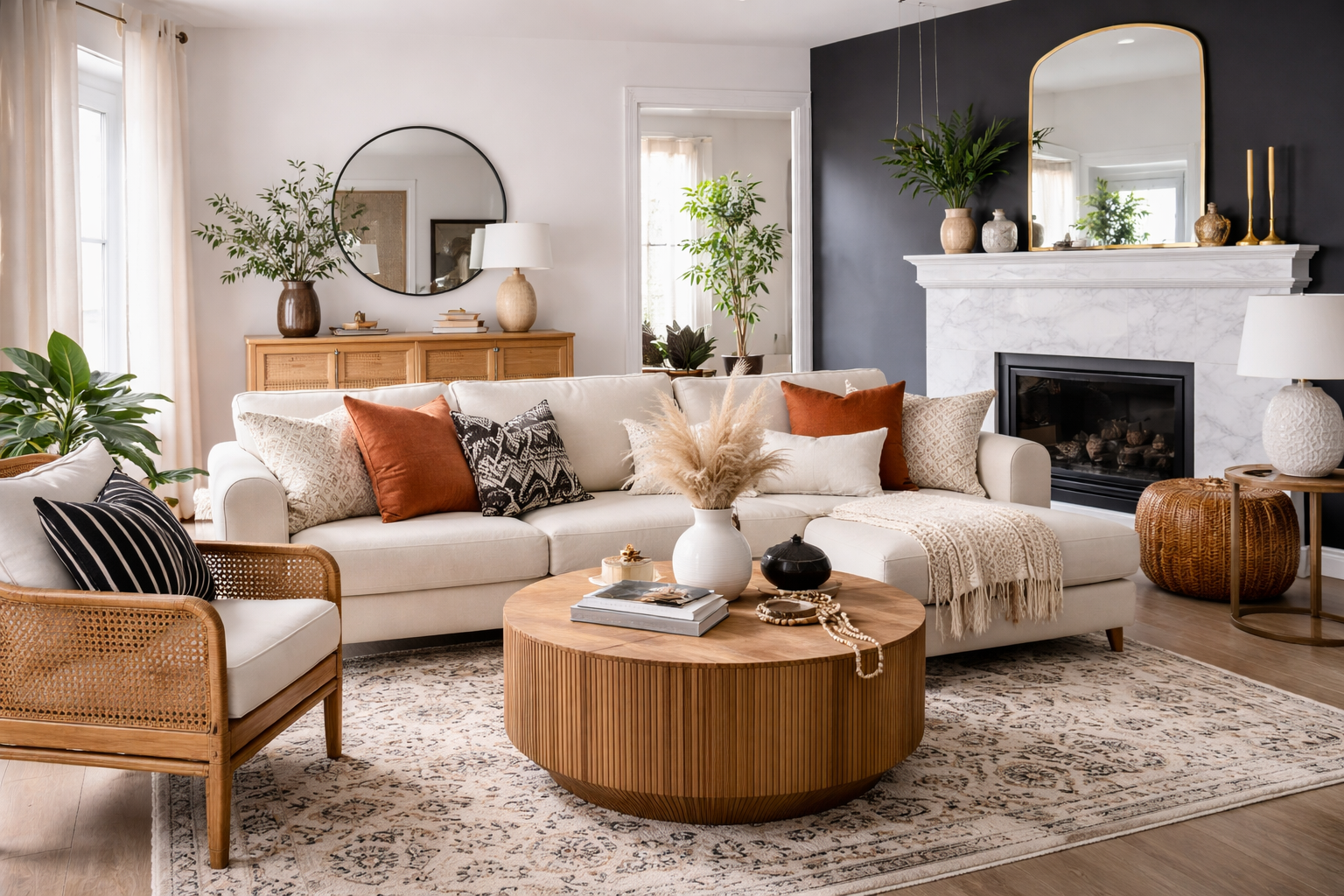
Interior design has evolved well beyond rigid rules and single-style homes. Today, many homeowners prefer spaces that feel layered, personal, and reflective of their unique tastes. Rather than sticking strictly to one design aesthetic, people are increasingly combining influences such as modern, coastal, Scandinavian, industrial, or traditional elements within the same space.
That being said though, blending styles successfully requires more than simply mixing furniture and décor from different trends. Without thoughtful planning, a room can easily feel disjointed or cluttered. Achieving a harmonious look involves balancing colours, textures, proportions, and focal points so everything feels intentional rather than random.
Working with experienced interior professionals like FURNISHD. can help homeowners confidently merge different styles while maintaining cohesion, ensuring the final result feels polished, sophisticated, and personal.
Here are some practical strategies that interior designers use to successfully blend multiple design styles without creating visual conflict.
Start with a Dominant Style
One of the most effective ways to combine design aesthetics is to establish a primary style that anchors the room. Think of this as the foundation of your design. It might be:
- Contemporary
- Scandinavian
- Coastal
- Mid-century modern
- Traditional
- Industrial
Once your dominant style is clear, secondary styles can be layered in as accents. For example:
- A modern living room might incorporate vintage pieces.
- A coastal home might feature industrial lighting.
- A traditional interior could introduce minimalist furniture.
Keeping one style as the base ensures the space remains visually grounded rather than chaotic.
Use a Consistent Colour Palette
Colour is one of the most powerful tools for creating harmony between different styles. Even when furniture or décor pieces come from contrasting aesthetics, a consistent colour palette can unify them. Consider choosing:
- A neutral base (whites, greys, creams, soft earth tones)
- Two to three accent colours
- Repeating tones across the room
For example, if your space combines modern furniture with rustic décor, using warm neutrals and natural timber tones throughout the room helps tie everything together. Repeating colours across different items such as cushions, artwork, rugs, and furniture prevents the space from feeling fragmented.
Balance Old and New Elements
Mixing old and new pieces is one of the easiest ways to create an interesting layered look. Many of the most beautiful interiors combine vintage character with contemporary design. Examples include:
- Pairing a modern sofa with a vintage coffee table
- Hanging contemporary artwork in a traditional room
- Using antique cabinets alongside sleek lighting fixtures
- Combining modern dining chairs with a reclaimed timber table
This contrast creates visual depth while ensuring the room feels lived-in rather than overly styled.
Pay Attention to Scale and Proportion
When blending styles, scale is often overlooked. Even beautifully designed furniture can clash if the proportions feel off. To maintain visual balance:
- Mix large statement pieces with smaller accents
- Avoid overcrowding the room
- Ensure furniture sizes complement each other
- Maintain adequate negative space
For example, if you introduce a bold industrial pendant light in a minimalist room, ensure other elements support its presence without competing for attention. Good proportions help the room feel calm and cohesive.
Use Texture to Create Cohesion
Textures can help connect different design styles without relying solely on colour or shape. Layering materials adds depth and warmth to the room. Consider combining textures like timber, linen, leather, stone, wool, metal and glass. For instance, a modern room might incorporate soft textiles and natural wood finishes to soften the look, while a rustic interior might introduce polished metals to create contrast. Texture layering is often what makes mixed-style spaces feel rich and inviting.
Create Visual Anchors
Every room benefits from one or two focal points that draw the eye and establish structure. When blending styles, focal points help prevent visual chaos. Common focal points include:
- A feature sofa
- Statement artwork
- A unique lighting fixture
- A bold rug
- A fireplace or architectural detail
Once the focal point is established, surrounding furniture and décor can support it rather than compete with it. This approach ensures the room feels intentional and organised.
Repeat Key Design Elements
Repetition helps tie together pieces from different styles. When similar shapes, colours, or materials appear throughout a room, the design feels cohesive. Examples of subtle repetition include:
- Repeating black metal accents in lighting and furniture
- Using similar wood tones across multiple pieces
- Echoing curved shapes in décor and furniture
- Carrying one accent colour through cushions, artwork, and rugs
These small connections help unify the room even when styles differ.
Keep Décor Thoughtful and Curated
When combining multiple styles, restraint becomes important. Too many decorative pieces can make a room feel cluttered and unfocused. Instead:
- Choose fewer, more meaningful items
- Allow space between décor pieces
- Rotate seasonal accessories
- Highlight statement pieces rather than filling every surface
A curated approach ensures each piece contributes to the overall design story.
Maintain Flow Between Rooms
If your home incorporates several design styles, it is important to maintain a sense of flow from one space to another. This can be achieved by:
- Repeating colours throughout the home
- Using similar flooring materials
- Maintaining consistent lighting styles
- Keeping architectural details cohesive
For example, a home might feature a coastal-inspired living room, a modern kitchen, and a rustic dining area. By repeating natural materials and neutral tones across each space, the transition between rooms feels natural rather than abrupt.
Don’t Be Afraid to Experiment
Some of the most striking interiors emerge from unexpected combinations. Mixing styles allows you to express personality and create spaces that feel unique rather than copied from a catalogue. Experimentation can include:
- Mixing minimalist furniture with bold art
- Pairing classic mouldings with contemporary décor
- Combining global influences with modern architecture
- Introducing handmade pieces into sleek interiors
Design should evolve over time. Allowing a room to grow organically often results in a richer and more authentic environment.
Bringing Multiple Styles Together Successfully
Blending design styles is ultimately about balance. When colour palettes align, textures complement each other, and focal points are thoughtfully chosen, even contrasting aesthetics can work beautifully together.
The goal is not to follow strict rules but to create a space that feels comfortable, cohesive, and reflective of your personal taste. With careful planning and a clear design direction, multiple styles can coexist harmoniously without clashing. By focusing on consistency, proportion, and thoughtful layering, homeowners can create interiors that feel both sophisticated and uniquely their own.