
A single vehicle in the wrong place can cause an extraordinary amount of damage in a heartbeat.
A driver who mistakes the accelerator for the brake, a delivery truck reversing too far or a thief aiming for a storefront can all turn an ordinary day into a costly emergency.
This is the quiet problem that bollards exist to solve. They sit at the boundary between vehicles and the things you need to protect, absorbing or blocking impacts that would otherwise reach people, buildings and stock.
What These Barriers Actually Do
A bollard is a sturdy post installed to control or restrict vehicle movement. Its job is to let pedestrians pass freely while stopping vehicles from entering spaces where they do not belong.
That dual role is what makes them so useful across so many settings. They guide traffic, mark out safe walking zones and form a physical line of defence around anything valuable or vulnerable.
The result is protection that works around the clock without any active management. Once installed correctly, a bollard simply does its job every hour of every day.
Where Businesses Need Them Most
Almost any property with a mix of foot traffic and vehicles can benefit from them. Carparks, warehouses, shopping centres and construction sites are among the most common settings.
Loading docks and driveways are particular hotspots for incidents. These are places where large vehicles move in tight spaces, so a well-placed barrier prevents both injuries and expensive structural damage.
Storefronts deserve special attention, too. A row of posts outside a glass shopfront protects against both accidental collisions and the deliberate ram-raiding that targets retail premises.
The Real Cost of Going Without
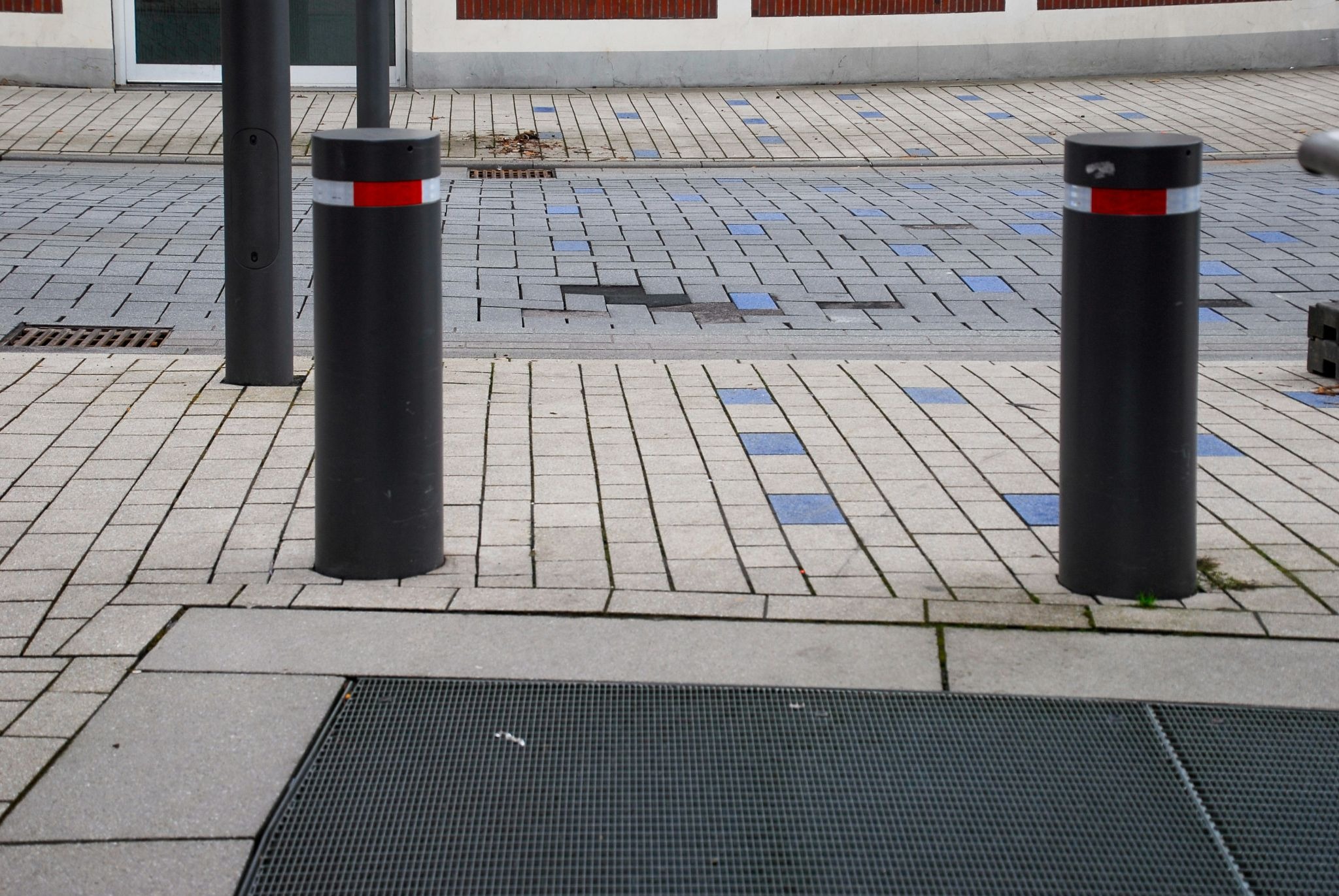
It is easy to view this kind of protection as an optional extra until something goes wrong. The trouble is that the cost of an incident almost always dwarfs the cost of prevention.
A vehicle crashing into a storefront brings repair bills, lost trading time and potential injury claims all at once. Set against that, the price of installing a proper barrier looks very modest indeed.
There is a liability dimension as well. Demonstrating that you took reasonable steps to separate vehicles and pedestrians can matter a great deal if an accident ever leads to a claim.
Insurance is worth a thought, too. Visible, well-maintained protection can reflect positively on how an insurer views the risk profile of your site.
Knowing the Main Types
Choosing well starts with understanding that not all posts are built for the same job. A considered range of safety bollards covers several distinct designs, each suited to a particular situation.
Surface-mounted versions bolt straight onto an existing hard surface, making them quick to install where immediate protection is needed.
Permanent bollards are set into the ground for maximum impact resistance in high-risk spots like storefronts and busy walkways.
Removable and fold-down designs solve a different problem entirely. They let you control access when you need it and clear the way when you do not, which suits driveways, event spaces and loading zones perfectly.
Matching the Material to the Setting
The material a bollard is made from shapes both its strength and its lifespan. Heavy-duty steel is the foundation of a serious barrier, giving it the mass to resist a genuine impact rather than simply marking a line.
For outdoor and exposed locations, the finish matters enormously. Galvanised coatings resist rust and weather, which keeps a bollard performing for years in rain, sun and coastal air without corroding.
Stainless steel adds another dimension for customer-facing sites. It combines real protective strength with a clean, professional appearance that suits the entrance of a hotel, office or upmarket retail space.
Function and Appearance Together
It is a mistake to think of these purely as industrial hardware. The right choice protects your premises while also contributing to how the space looks and feels to visitors.
A sleek stainless finish signals care and quality at a smart storefront. A bright, sturdy steel post does a more obvious job of warning drivers in a busy car park or industrial yard.
Choosing with both factors in mind pays off twice. You get the protection you need without the barrier looking out of place in a customer environment.
Getting Installation and Placement Right
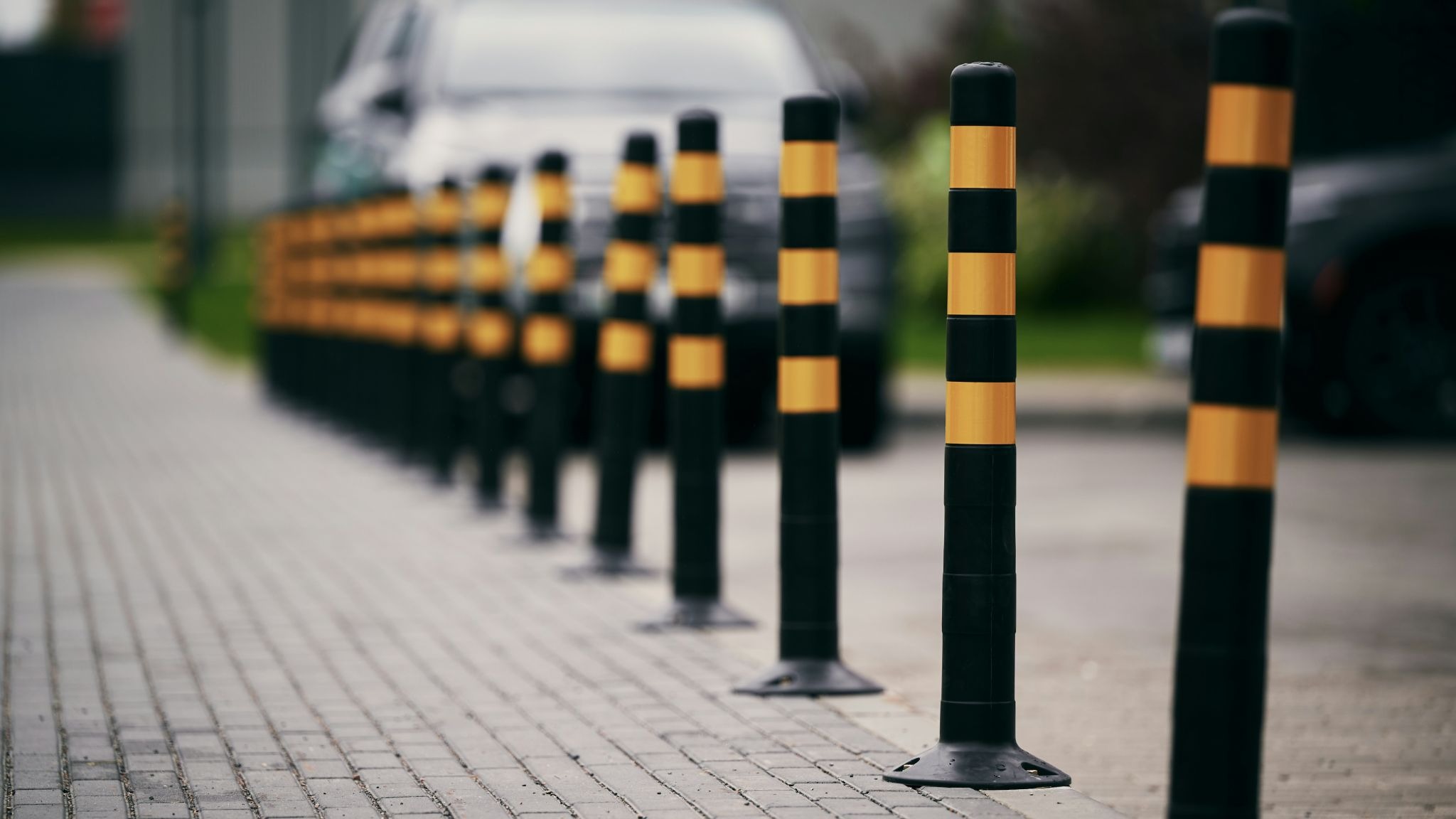
Even the strongest bollard only works if it is installed and positioned correctly. Placement should reflect where vehicles actually travel and where the greatest risk to people and property lies.
Spacing is part of the calculation, too. Posts need to sit close enough to stop a vehicle slipping between them while still leaving comfortable room for pedestrians, prams and wheelchairs to pass.
The fixing method should match the surface and the level of protection required. A permanent in-ground installation suits a high-risk frontage, while a surface mount can be ideal for a quick and less disruptive upgrade.
The Value of Buying From a Specialist
Where you buy from makes a real difference to what you end up with. A supplier that manufactures its own range has direct control over quality and pricing, which tends to mean a better product at a fairer price.
Expert guidance is just as valuable as the hardware itself. A knowledgeable team can assess your site and recommend the right type, height and placement, so you avoid the expense of getting it wrong.
Practical details round out the decision. Fast dispatch, alignment with Australian safety expectations and a clear pricing promise all make the buying process far less stressful.
After-sales support is the final piece worth weighing. A supplier who remains available for advice on placement or future additions saves you from having to start the search over as your site changes.
Protecting What Matters
Bollards are one of those investments that prove their worth precisely when you hope never to need them.
They stand quietly on guard, ready to absorb the impact that would otherwise reach your people or your premises.
Choosing the right type, material, and placement turns that quiet protection into genuine peace of mind. Get it right once, and you remove a serious risk from your site for many years to come.
Frequently Asked Questions
How do I choose the right bollard for my site?
Start by identifying where vehicles and pedestrians interact and where the highest risk sits. The setting, traffic volume and whether you need permanent or flexible access will then point you to the right type, and a specialist supplier can confirm the best fit.
Are surface-mounted bollards strong enough for real protection?
They offer solid protection and are valued for how quickly and easily they install on an existing surface.
For the very highest impact resistance, a permanent in-ground bollard is the stronger choice in critical areas.
Will bollards block access for wheelchairs and prams?
No, when spaced correctly, they stop vehicles while leaving clear room for pedestrians, wheelchairs and prams. Sensible spacing is part of planning a compliant and accessible installation.
Are galvanised bollards worth it for outdoor use?
Yes, the galvanised coating resists rust and weather, which makes these bollards well-suited to exposed outdoor sites. That corrosion resistance extends their lifespan and keeps maintenance to a minimum.