Image Credit: Unsplash
Are high equipment costs, idle machinery, and rising production expenses eating into your manufacturing profits? Investing in more equipment doesn't always mean greater productivity, especially when inconsistent demand leaves expensive machines underused and overheads continue to climb. Discover how strategic outsourcing, smarter capacity planning, and a closer look at equipment costs can help manufacturers improve margins, accelerate delivery, and grow without unnecessary capital investment.
Assess True Equipment Costs
Calculate the total cost of ownership before approving a major equipment purchase. The advertised price is only the starting point. Finance charges, installation, software, operator training, scheduled servicing, consumables and floor space all affect the hourly production cost.
Utilisation matters just as much. A machine costing $500,000 may appear economical when modelled at 70 per cent use, yet become difficult to justify if actual demand fills only two shifts each week. Build conservative forecasts using confirmed work and realistic sales projections. Include downtime and setup hours, then compare the calculated internal rate with quotes from specialist suppliers.
Partner on Specialist Laser Cutting
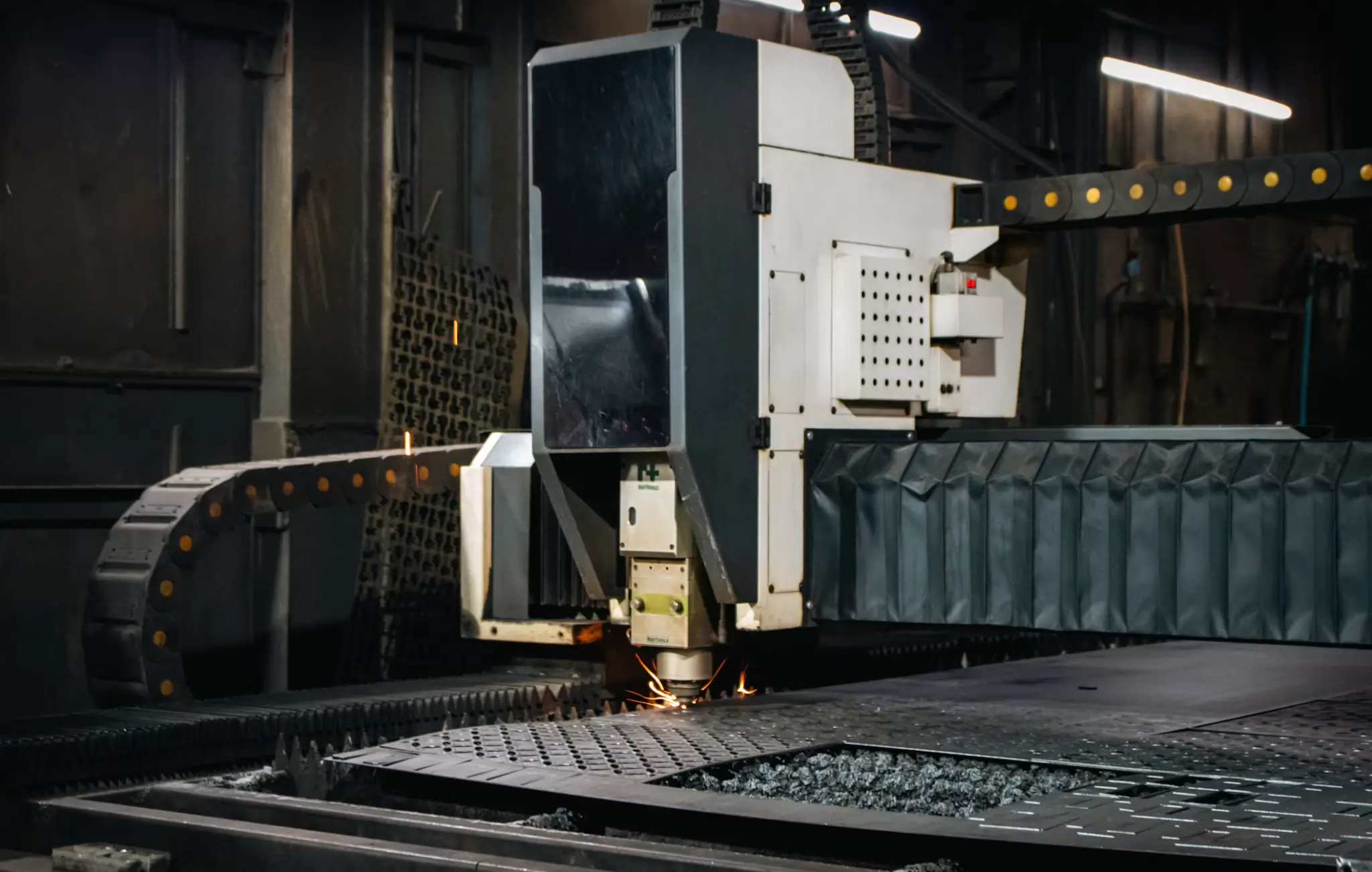
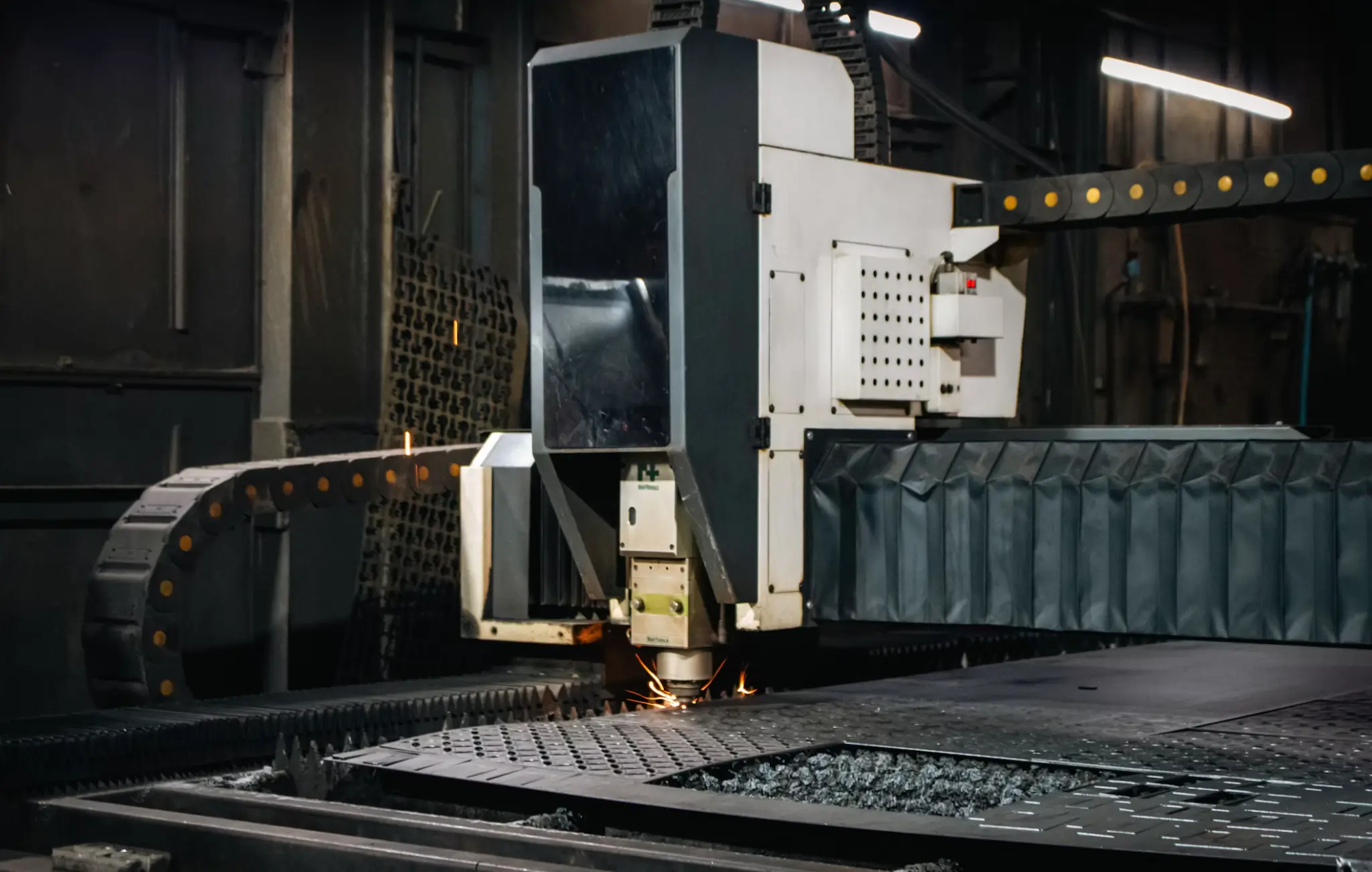
Outsource processes that require expensive equipment or skills you don't need every day. A dependable Laser Cutting partner can produce precise components across steel, stainless steel and aluminium, including fine-detail parts and thicker plate. Automated lights-out production can also support larger orders without requiring you to install and staff another machine.
Before placing work, provide clean drawings, material specifications, tolerances and required quantities. Ask how design revisions will be managed and confirm whether deburring, identification or delivery forms part of the quote. Industry guidance on sheet metal fabrication profits also shows why throughput, nesting and downstream handling deserve attention alongside machine speed.
Promote Faster Turnaround Times
Sell the outcome your production model creates. Customers rarely care who owns every machine involved in their order. They care about receiving conforming parts on the promised date, with clear updates if requirements change.
Map the complete order path from drawing approval to dispatch. For example, an outsourced cutting partner might return blanks within three days, leaving your team two days for forming, assembly and inspection. Quoting a seven-day turnaround then provides a sensible buffer without making the offer uncompetitive. Track actual completion times by job type and update estimates monthly. Consistent delivery records give sales staff credible evidence when promoting faster service to new and existing customers.
Turn Excess Capacity Into Margin
Review unused hours across people, machines and work areas each week. A press brake with spare time on Friday afternoons may support small repeat batches, while an underused assembly station could handle overflow work for another local manufacturer. Price these jobs to cover setup, inspection and administration, even when the machinery would otherwise be idle.
Group similar orders to reduce tool changes and material handling. Standard quoting templates also help you respond quickly without underestimating labour. Keep a minimum margin for urgent jobs because schedule changes can disrupt more profitable work already in production. If demand becomes consistent over several months, you’ll have stronger evidence for adding a shift, recruiting an operator or purchasing equipment.
A monthly capacity review should show which outsourced processes are producing dependable margin and which internal constraints are delaying delivery. That evidence gives you a practical investment trigger based on sustained demand, not optimism.