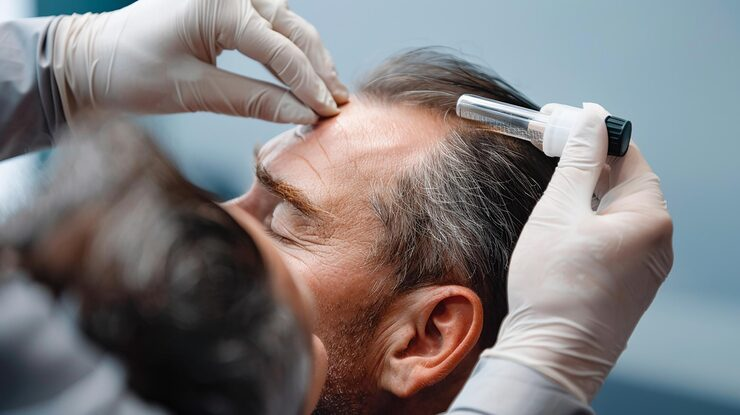
Hair loss affects millions of Australians, often impacting self-esteem and personal confidence. While some experience a receding hairline, others face extensive thinning across the crown. Fortunately, modern surgical restoration offers reliable, permanent solutions tailored to these diverse concerns. If you are considering a professional FUT transplant in Melbourne, understanding how different surgical methods target specific hair loss patterns is the first step toward achieving natural-looking results. The two primary techniques, Follicular Unit Transplantation (FUT) and Follicular Unit Extraction (FUE), each serve distinct purposes. This guide breaks down how these procedures address different stages of hair thinning, helping you make an informed decision alongside a qualified hair restoration surgeon.
Deciphering Male and Female Pattern Baldness
Hair loss does not manifest the same way for everyone, which is why a template treatment plan rarely succeeds. For men, genetic hair loss typically follows the Norwood Scale, starting with a receding hairline at the temples or thinning at the crown, eventually progressing to a state where only a horseshoe-shaped band of hair remains on the sides and back of the scalp. In contrast, female pattern hair loss usually follows the Ludwig Scale, characterised by diffuse thinning across the top of the scalp while the frontal hairline remains relatively intact.
Understanding these distinct patterns is crucial because they dictate the availability of healthy donor hair. The donor area, typically located at the back and sides of the head, contains hair follicles genetically resistant to balding. When addressing extensive thinning, surgeons must evaluate the density of this donor zone to determine how many grafts they can safely harvest without causing visible thinning in the donor area itself. By categorising your specific stage of hair loss, a qualified clinician can determine whether your scalp requires a widespread distribution of new follicles or a highly concentrated placement in a single, localised zone. This assessment also ensures that the chosen surgical method aligns with your long-term aesthetic goals and lifestyle preferences.
FUT Technique: Maximising Graft Volume for Advanced Loss
Follicular Unit Transplantation, often called the strip method, is highly effective for individuals experiencing advanced hair loss. During this procedure, the surgeon removes a thin strip of healthy, hair-bearing skin from the permanent donor zone at the back of the scalp. Technicians then use high-powered microscopes to dissect this strip into individual follicular units containing one to four hairs. This method allows the surgical team to harvest a large volume of high-quality grafts in a single session, making it the ideal choice for filling expansive bald areas.
For patients seeking a comprehensive FUT transplant in Melbourne, this technique offers a key advantage in terms of graft survival rates. Because the follicles are carefully dissected under direct microscopic visualisation, damage to the delicate root structures is minimised. This results in robust grafts that are highly likely to thrive in their new location. While FUT does leave a linear scar at the back of the head, skilled surgeons use advanced closure techniques, such as trichophytic closure, which allows hair to grow directly through the scar line. This makes the scar virtually undetectable under hair that is kept at a moderate length, providing a fuller head of hair for those with extensive thinning.
FUE Technique: Precision and Flexibility for Localised Thinning
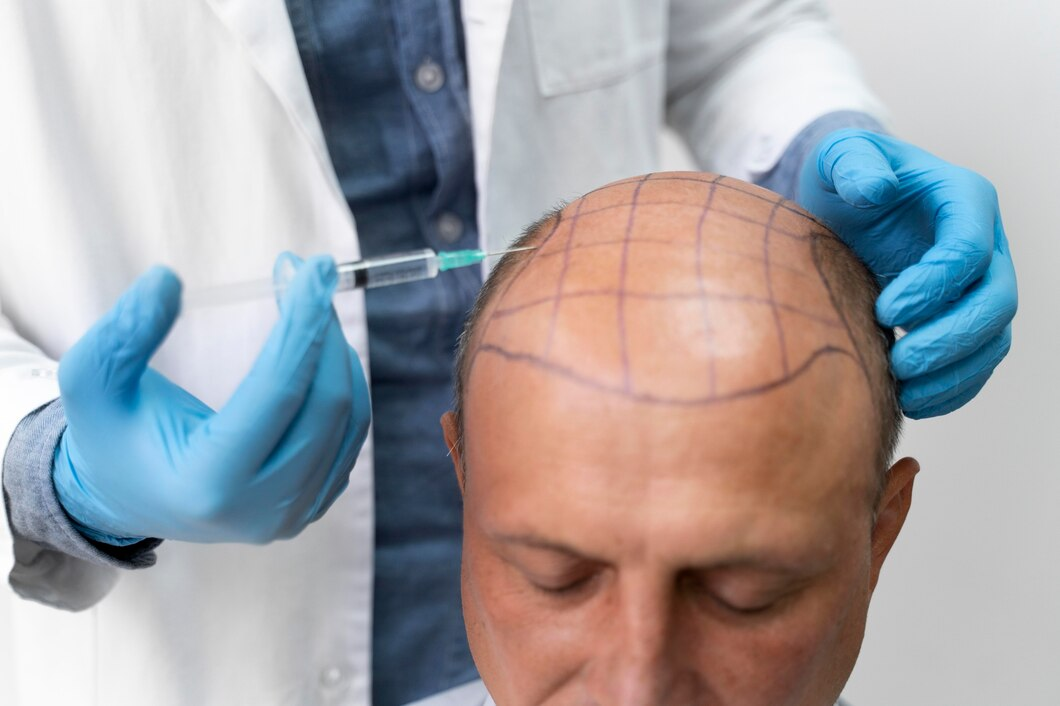
Follicular Unit Extraction offers a different approach, focusing on individual follicle harvesting rather than removing a strip of tissue. During an FUE hair transplant in Melbourne, the practitioner uses a specialised micro-punch tool to extract individual follicular units directly from the donor area. This process leaves tiny, circular scars scattered across a wide area, which heal quickly and are almost invisible to the naked eye, even with very short hairstyles.
This level of precision makes FUE exceptionally well-suited for patients experiencing minor to moderate hair loss, such as a receding hairline or a thinning crown. It allows the surgeon to selectively harvest the strongest follicles and place them with precise control over the angle and direction of growth. Because the recovery time is relatively short and involves minimal discomfort, this technique appeals greatly to active individuals who wish to return to their daily exercise routines quickly. Additionally, FUE provides an excellent solution for reconstructing eyebrows or filling in patchy facial hair, where only a small number of highly targeted grafts are required to achieve the desired density and shape. The absence of a linear scar also gives patients the ultimate flexibility to wear their hair in cropped or buzzed styles without worrying about visible marks.
Comparing Graft Yield and Donor Area Management
Managing the donor area is one of the most critical aspects of successful hair restoration. Since the donor supply is finite, a surgeon must plan carefully to ensure there are enough follicles for both current and potential future procedures. When comparing graft yield, FUT generally produces a higher number of usable grafts from a single strip because the extraction process is less prone to transection, which is the accidental cutting of the hair follicle during removal. For this reason, patients requiring significant coverage often opt for an FUT transplant in Melbourne to maximise their limited donor resources.
On the other hand, a modern FUE hair transplant in Melbourne spreads the extraction sites across a larger portion of the scalp. While this avoids a linear scar, harvesting too many follicles via FUE can lead to an over-harvested, patchy appearance in the donor area, sometimes referred to as a moth-eaten look. Therefore, patients with limited donor density who still require a large number of grafts must weigh these factors carefully. A skilled specialist will evaluate your scalp elasticity, hair calibre, and long-term hair loss projections to recommend the method that preserves your donor area while delivering the best possible coverage.
Choosing the Right Approach for Your Needs
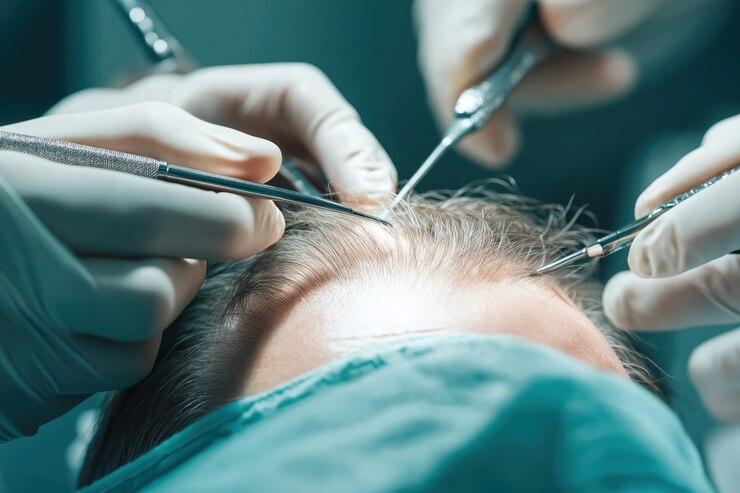
Selecting the right hair restoration method depends on several personal variables, including your current hair loss pattern, your preferred hairstyle, and your tolerance for recovery times. If you prefer to keep your hair very short, the tiny dot scars of an FUE hair transplant in Melbourne are much easier to conceal than the linear scar associated with the strip method. Conversely, if you wear your hair longer and require a massive redistribution of hair density to cover a bald crown, the strip method represents a highly efficient and cost-effective route.
It is also worth noting that some advanced cases benefit from a combination of both techniques over a lifetime. A patient might undergo a strip procedure first to establish a solid foundation of density, followed by an extraction procedure years later to refine the hairline or touch up newly thinned areas. Ultimately, the success of your hair restoration journey relies on a thorough, personalised consultation with a reputable medical professional who can assess your scalp health and design a tailored treatment plan that addresses your unique hair loss trajectory. Taking the time to understand these technical differences empowers you to set realistic expectations and achieve a natural, long-lasting outcome.
Final Thoughts
Addressing hair loss is a highly personal journey, but modern surgical techniques have made it easier than ever to restore both your hair and your confidence. Whether you require the high-volume graft capacity of a strip procedure or the pinpoint accuracy of individual follicle extraction, both methods offer reliable, life-changing results when performed by experienced hands. By aligning your specific hair loss pattern and lifestyle preferences with the appropriate surgical technique, you can ensure an optimal outcome. Consulting with a qualified specialist in Victoria will help you map out a clear, customised path forward, helping you achieve a fuller, completely natural-looking head of hair that stands the test of time.