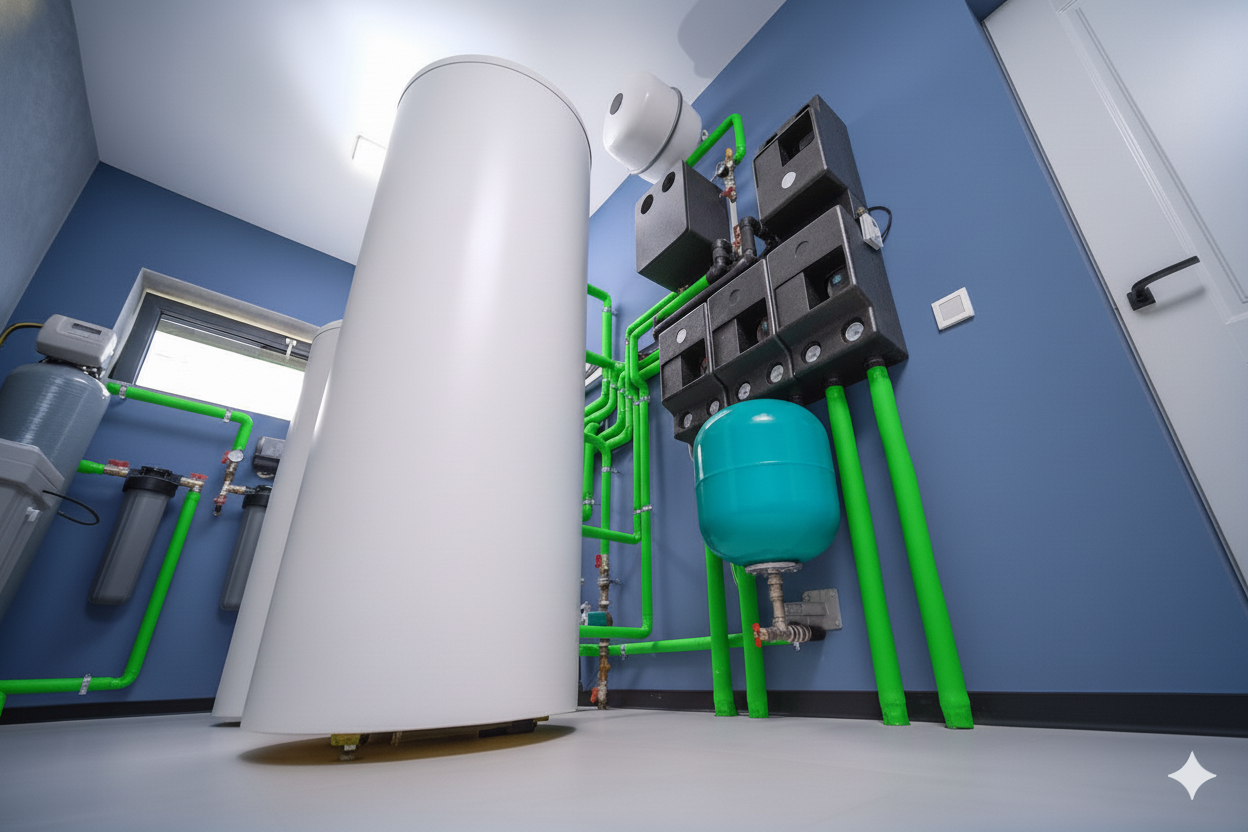
Rising energy costs and growing environmental concerns have prompted many homeowners to seek out more efficient ways to manage their energy consumption. Upgrading hot water systems emerges as a crucial step in enhancing energy efficiency within homes. To make these upgrades more affordable, government rebates are available as financial incentives. You wouldn't want to miss out on such an opportunity, would you? These rebates help make system upgrades more accessible and cost-effective.
Understanding Government Rebates for Hot Water Systems
Government rebates are financial incentives designed to encourage homeowners to transition to energy-efficient appliances and systems. These rebates not only alleviate some of the financial burdens associated with upgrading but also promote the adoption of sustainable technologies. For hot water systems, rebates often cover upgrades such as solar hot water systems and heat pumps, which are recognised for their superior efficiency compared to traditional electric or gas systems.
Before diving into a rebate application, it is crucial to understand which types of upgrades are covered. Common rebate-eligible systems include solar hot water and energy-efficient heat pump systems. Each program has unique eligibility criteria, so checking these is vital to ensure qualification. This step helps avoid any unpleasant surprises when you’re knee-deep in the application process.
Identifying Available Rebate Programs
Finding the right rebate program can initially seem daunting, but several resources make it easier. Government websites and energy companies are great starting points for information on current rebate offerings. They provide detailed listings of available programs, outlining what's covered and the entitlements homeowners can receive.
It's important to distinguish between federal, state, and local government rebate programs, as each may offer different incentives. For instance, hot water rebates in NSW might differ from those available in Victoria. Popular hot water system rebates, such as those focusing on solar technology or heat pump installation, are available in various regions. To keep updated, subscribing to newsletters or alerts from these organisations ensures one doesn’t miss any new rebate initiatives.
Eligibility Criteria and Application Process
To take advantage of these rebates, one must meet general eligibility requirements, which usually include residency in the area offering the rebate and owning the type of property specified by the rebate program. Documentation is key when preparing a rebate application. Homeowners are often required to provide proof of purchase, installation details, and, at times, a certification of compliance from a recognised installer.
Following a step-by-step guide in the application process streamlines the experience. Typically, this involves filling out an application form, attaching the necessary documents, and submitting them through the specified channels. Despite the clear procedures, applicants often face common challenges such as incomplete documentation or missing submission deadlines. Staying organised and double-checking required documents helps overcome these hurdles.
Maximising Rebate Benefits through Smart Choices
When upgrading, selecting the right hot water system significantly impacts the level of efficiency achieved and the amount of rebate received. Systems designed for maximum efficiency tend to qualify for higher rebates, increasing the financial savings for homeowners. Engaging certified contractors is a wise move to ensure installations meet rebate compliance standards, avoiding any potential disqualification from the program.
Beyond hot water systems, making energy-saving choices in other aspects of the home, such as insulation or energy-efficient lighting, can compound savings both financially and environmentally. By integrating various energy-efficient practices, homeowners can significantly reduce their overall utility costs.
Frequently Asked Questions about Rebates and Upgrades
Several misconceptions about hot water system rebates can deter homeowners from taking advantage of them. One common question involves how rebates are applied—whether as upfront discounts or as claims after purchase. Typically, rebates come as post-purchase claims, requiring documentation submissions as proof of upgrades.
Homeowners often inquire about the impact of these upgrades on property value and utility costs. Generally, energy-efficient upgrades enhance property value as they signify lower future energy costs and environmental consciousness. Also, specific details about rebate timelines and eligibility for partial upgrades crop up frequently. It’s essential to scrutinise the official rebate guidelines for such specifics, as programs often have unique stipulations.
Conclusion
In summary, upgrading hot water systems with the help of government rebates is a practical step towards energy efficiency and cost savings. By staying informed about rebate opportunities, homeowners can make pivotal changes to their energy consumption while keeping expenses in check. If you've been considering an upgrade, now's the time to apply and capitalise on the available incentives. Not only do these initiatives ease the financial burden, they also contribute substantially to energy conservation and sustainability. Every small step counts when it comes to protecting our environment.