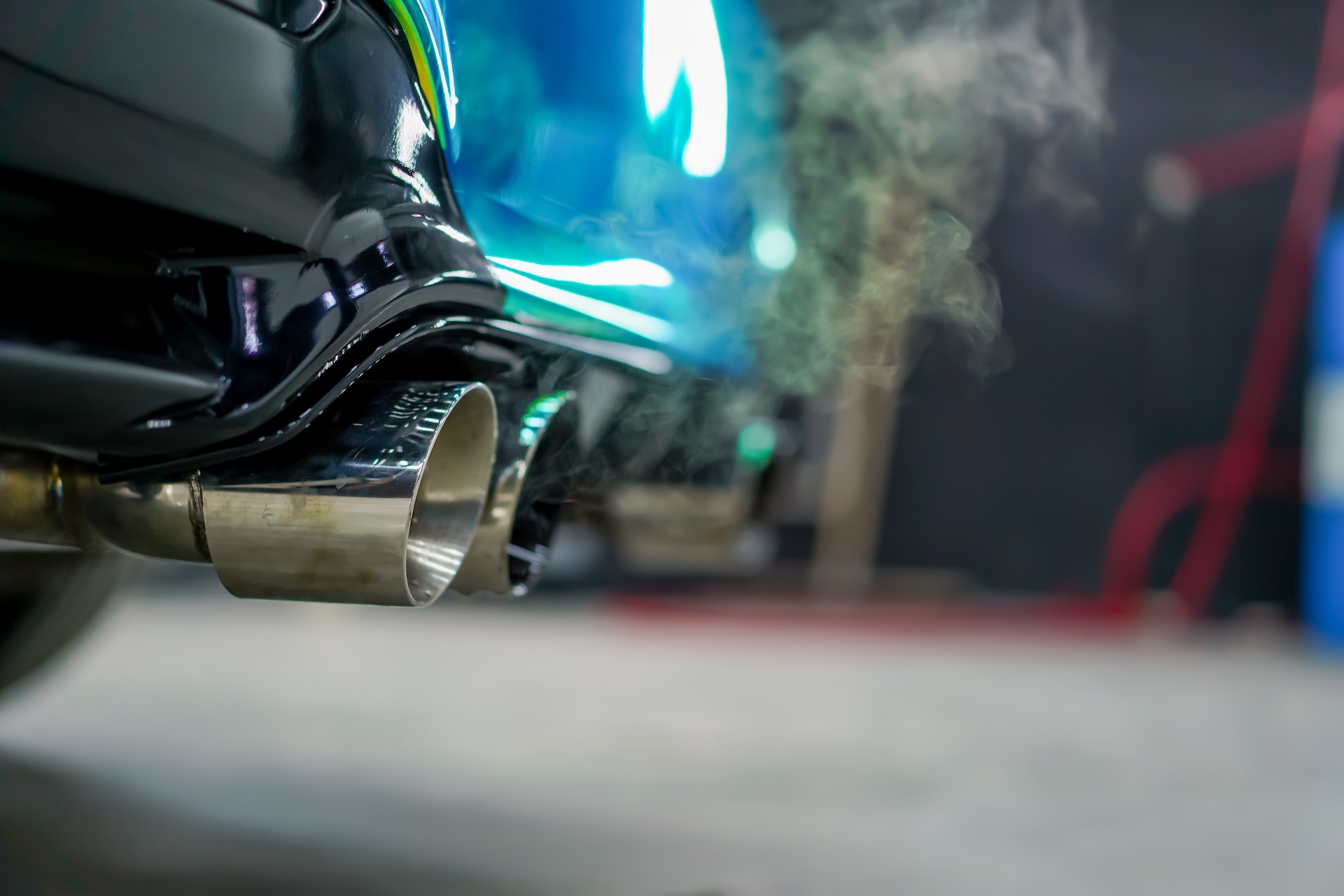
If you've started modifying your car, you've probably come across high flow catalytic converters, or high flow cats, as a suggested upgrade. They're pitched as a way to free up power and improve exhaust flow. But do they actually deliver, or is it mostly hype?
The honest answer is that they can help, but the size of the gain depends heavily on the rest of your setup and how you use the car. Here's what you need to know before spending the money.
What a catalytic converter actually does
A catalytic converter is an emissions device. It sits in your exhaust and converts harmful gases into less harmful ones before they leave the tailpipe. It's essential for keeping your car legal and reducing pollution, but the dense internal structure that scrubs those gases also restricts exhaust flow.
That restriction is where the performance conversation starts. A standard cat is designed for emissions first, not maximum flow.
How high flow cats are different
A high flow cat is engineered to let exhaust gases pass through more freely while still treating emissions. The internal design reduces back pressure compared with a restrictive factory unit, which can help the engine breathe out more easily, especially higher in the rev range.
The key phrase is more freely. A high flow cat is a compromise between flow and emissions control, not a straight pipe, which is exactly why it can remain road legal when done correctly.
The real-world power gains
On its own, swapping to a high flow cat usually delivers modest gains rather than a dramatic jump. Where it shines is as part of a broader exhaust and tuning package. Paired with a free-flowing exhaust system, upgraded headers, and a proper tune, removing that restriction can contribute to a noticeable improvement.
In other words, a high flow cat is often a supporting player. It helps a well-designed setup breathe, but it won't transform a stock car by itself.
There's also the sound to consider. Many enthusiasts notice a slightly deeper, freer exhaust note after fitting a high flow cat, which is part of the appeal for some and a downside for others who want a quiet daily driver. It's worth knowing what you're signing up for.
And because the gains depend so heavily on tuning, budgeting for a proper tune to take advantage of the improved flow is wise. Fitting a high flow cat and leaving the rest of the car untouched often leaves potential performance on the table.
The legal side in Australia
This is where many enthusiasts come unstuck. In Australia, your vehicle must continue to meet emissions requirements to be road legal, and removing or gutting a catalytic converter is illegal. A genuine high flow cat is designed to keep you compliant, but fitment often needs to be done correctly and, in some cases, engineered and approved.
Before you buy, check the rules in your state and choose a reputable product and installer. A cheap cat that fails emissions can cost you far more in fines and a failed roadworthy than you ever saved.
So, is it worth it?
If you're building a genuine performance setup and want to reduce a known restriction while staying legal, quality high flow cats can be a sensible piece of the puzzle. If you're expecting big power from that single change alone, you'll likely be disappointed.
Think of it as one part of a considered upgrade path, fitted properly and legally, rather than a magic bolt-on. Done that way, it earns its place.