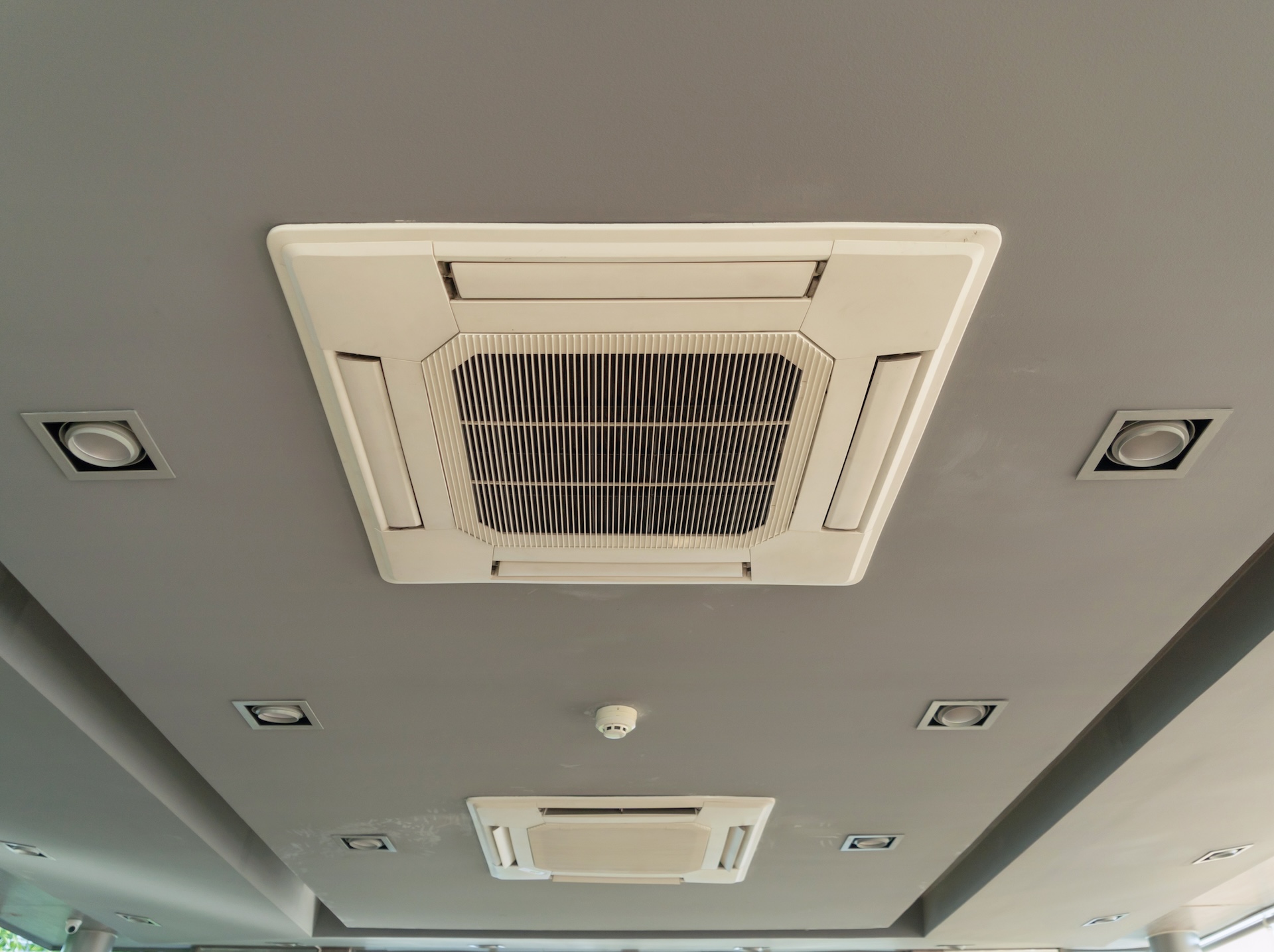
Installing a new air conditioning system is a significant decision for any business. The right system can improve staff comfort, protect equipment, and enhance customer experience, while the wrong choice can lead to high running costs and ongoing maintenance issues. Before committing to quality commercial air conditioning, it is important to understand the key factors that influence performance, efficiency, and long-term value.
This guide outlines what businesses should consider before installing a system and how to plan for a successful outcome.
Understanding business requirements
Every commercial space has different cooling and heating needs. Offices, retail stores, warehouses, hospitality venues, and medical facilities all place unique demands on air conditioning systems.
Factors such as floor area, ceiling height, occupancy levels, heat-generating equipment, and operating hours all influence system selection. A system that works well in a small office may be unsuitable for a high-traffic retail environment or a production space with machinery.
A thorough assessment ensures the chosen system is appropriately sized and configured to support daily operations.
Choosing the right system type
There are several types of systems commonly used in commercial environments. Each has its own advantages depending on the application.
Split and multi-split systems are often used for smaller commercial spaces or individual offices. They offer flexibility and relatively simple installation.
Ducted systems provide whole-floor or whole-building climate control and are suitable for offices and larger commercial premises.
Variable refrigerant flow systems allow precise temperature control across multiple zones and are ideal for complex buildings with varying usage patterns.
Understanding these options helps businesses choose a system that balances performance, efficiency, and budget.
Energy efficiency and running costs
Energy consumption is one of the largest ongoing costs associated with commercial air conditioning. Selecting an energy-efficient system can significantly reduce operating expenses over time.
Modern systems are designed with advanced efficiency features, including inverter technology, zoning controls, and smart thermostats. These features allow systems to adjust output based on demand rather than running at full capacity constantly.
When evaluating options, it is important to look beyond the initial purchase price and consider total cost of ownership, including energy use and maintenance.
Installation planning and disruption management
Installation can impact day-to-day business operations if not planned carefully. Before work begins, businesses should consider how installation will be staged to minimise disruption to staff and customers.
This may involve scheduling work outside of operating hours, completing installations in stages, or temporarily relocating certain activities. Clear communication between the installer and business management is essential to coordinate timelines and access.
Proper planning ensures commercial air conditioning installation is efficient and causes minimal interruption.
Electrical and structural considerations
Commercial systems often require substantial electrical capacity. Older buildings may need upgrades to switchboards or dedicated circuits to support new equipment safely.
Structural considerations also play a role. Rooftop units, ceiling-mounted ductwork, and outdoor condensers must be installed in locations that support weight, airflow, and maintenance access.
Addressing these factors early in the planning process helps avoid delays and unexpected costs.
Compliance and regulatory requirements
Commercial air conditioning installations must comply with building codes, workplace health and safety regulations, and environmental standards. This includes requirements related to electrical work, refrigerant handling, noise levels, and energy efficiency.
Working with licensed and experienced professionals ensures all compliance obligations are met. This is particularly important for businesses operating in regulated industries such as healthcare, hospitality, and food service.
Non-compliance can lead to fines, operational issues, and insurance complications.
Maintenance and long-term reliability
Installation is only the first step in the lifecycle of a commercial air conditioning system. Ongoing maintenance is critical to ensure consistent performance and avoid unexpected breakdowns.
Businesses should consider maintenance requirements when selecting a system. Regular servicing, filter replacement, and system inspections help maintain efficiency and extend equipment lifespan.
Many businesses benefit from planned maintenance programs that provide predictable servicing schedules and early detection of issues.
Scalability and future growth
Businesses change over time. Expansions, renovations, and changes in occupancy can all affect air conditioning requirements.
Choosing a system with flexibility and scalability allows for future adjustments without major rework. Zoning capabilities, modular designs, and system expandability all support long-term adaptability.
Planning with future growth in mind ensures the system remains effective as business needs evolve.
Budgeting and value assessment
While cost is always a consideration, focusing solely on the lowest upfront price can be misleading. A cheaper system with high running costs or frequent maintenance issues may be more expensive in the long run.
A well-designed commercial air conditioning solution balances initial investment with efficiency, reliability, and lifespan. Evaluating value rather than price helps businesses make smarter decisions.
Making an informed decision
Installing commercial air conditioning is an investment in comfort, productivity, and operational stability. By understanding system options, energy efficiency, installation requirements, and long-term maintenance needs, businesses can make informed choices that deliver lasting benefits.
With proper planning and professional guidance, a new system can support business performance and provide a comfortable environment for staff and customers for many years to come.
Installing a new air conditioning system is a significant decision for any business. The right system can improve staff comfort, protect equipment, and enhance customer experience, while the wrong choice can lead to high running costs and ongoing maintenance issues. Before committing to quality commercial air conditioning, it is important to understand the key factors that influence performance, efficiency, and long-term value.
This guide outlines what businesses should consider before installing a system and how to plan for a successful outcome.
Understanding business requirements
Every commercial space has different cooling and heating needs. Offices, retail stores, warehouses, hospitality venues, and medical facilities all place unique demands on air conditioning systems.
Factors such as floor area, ceiling height, occupancy levels, heat-generating equipment, and operating hours all influence system selection. A system that works well in a small office may be unsuitable for a high-traffic retail environment or a production space with machinery.
A thorough assessment ensures the chosen system is appropriately sized and configured to support daily operations.
Choosing the right system type
There are several types of systems commonly used in commercial environments. Each has its own advantages depending on the application.
Split and multi-split systems are often used for smaller commercial spaces or individual offices. They offer flexibility and relatively simple installation.
Ducted systems provide whole-floor or whole-building climate control and are suitable for offices and larger commercial premises.
Variable refrigerant flow systems allow precise temperature control across multiple zones and are ideal for complex buildings with varying usage patterns.
Understanding these options helps businesses choose a system that balances performance, efficiency, and budget.
Energy efficiency and running costs
Energy consumption is one of the largest ongoing costs associated with commercial air conditioning. Selecting an energy-efficient system can significantly reduce operating expenses over time.
Modern systems are designed with advanced efficiency features, including inverter technology, zoning controls, and smart thermostats. These features allow systems to adjust output based on demand rather than running at full capacity constantly.
When evaluating options, it is important to look beyond the initial purchase price and consider total cost of ownership, including energy use and maintenance.
Installation planning and disruption management
Installation can impact day-to-day business operations if not planned carefully. Before work begins, businesses should consider how installation will be staged to minimise disruption to staff and customers.
This may involve scheduling work outside of operating hours, completing installations in stages, or temporarily relocating certain activities. Clear communication between the installer and business management is essential to coordinate timelines and access.
Proper planning ensures commercial air conditioning installation is efficient and causes minimal interruption.
Electrical and structural considerations
Commercial systems often require substantial electrical capacity. Older buildings may need upgrades to switchboards or dedicated circuits to support new equipment safely.
Structural considerations also play a role. Rooftop units, ceiling-mounted ductwork, and outdoor condensers must be installed in locations that support weight, airflow, and maintenance access.
Addressing these factors early in the planning process helps avoid delays and unexpected costs.
Compliance and regulatory requirements
Commercial air conditioning installations must comply with building codes, workplace health and safety regulations, and environmental standards. This includes requirements related to electrical work, refrigerant handling, noise levels, and energy efficiency.
Working with licensed and experienced professionals ensures all compliance obligations are met. This is particularly important for businesses operating in regulated industries such as healthcare, hospitality, and food service.
Non-compliance can lead to fines, operational issues, and insurance complications.
Maintenance and long-term reliability
Installation is only the first step in the lifecycle of a commercial air conditioning system. Ongoing maintenance is critical to ensure consistent performance and avoid unexpected breakdowns.
Businesses should consider maintenance requirements when selecting a system. Regular servicing, filter replacement, and system inspections help maintain efficiency and extend equipment lifespan.
Many businesses benefit from planned maintenance programs that provide predictable servicing schedules and early detection of issues.
Scalability and future growth
Businesses change over time. Expansions, renovations, and changes in occupancy can all affect air conditioning requirements.
Choosing a system with flexibility and scalability allows for future adjustments without major rework. Zoning capabilities, modular designs, and system expandability all support long-term adaptability.
Planning with future growth in mind ensures the system remains effective as business needs evolve.
Budgeting and value assessment
While cost is always a consideration, focusing solely on the lowest upfront price can be misleading. A cheaper system with high running costs or frequent maintenance issues may be more expensive in the long run.
A well-designed commercial air conditioning solution balances initial investment with efficiency, reliability, and lifespan. Evaluating value rather than price helps businesses make smarter decisions.
Making an informed decision
Installing commercial air conditioning is an investment in comfort, productivity, and operational stability. By understanding system options, energy efficiency, installation requirements, and long-term maintenance needs, businesses can make informed choices that deliver lasting benefits.
With proper planning and professional guidance, a new system can support business performance and provide a comfortable environment for staff and customers for many years to come.