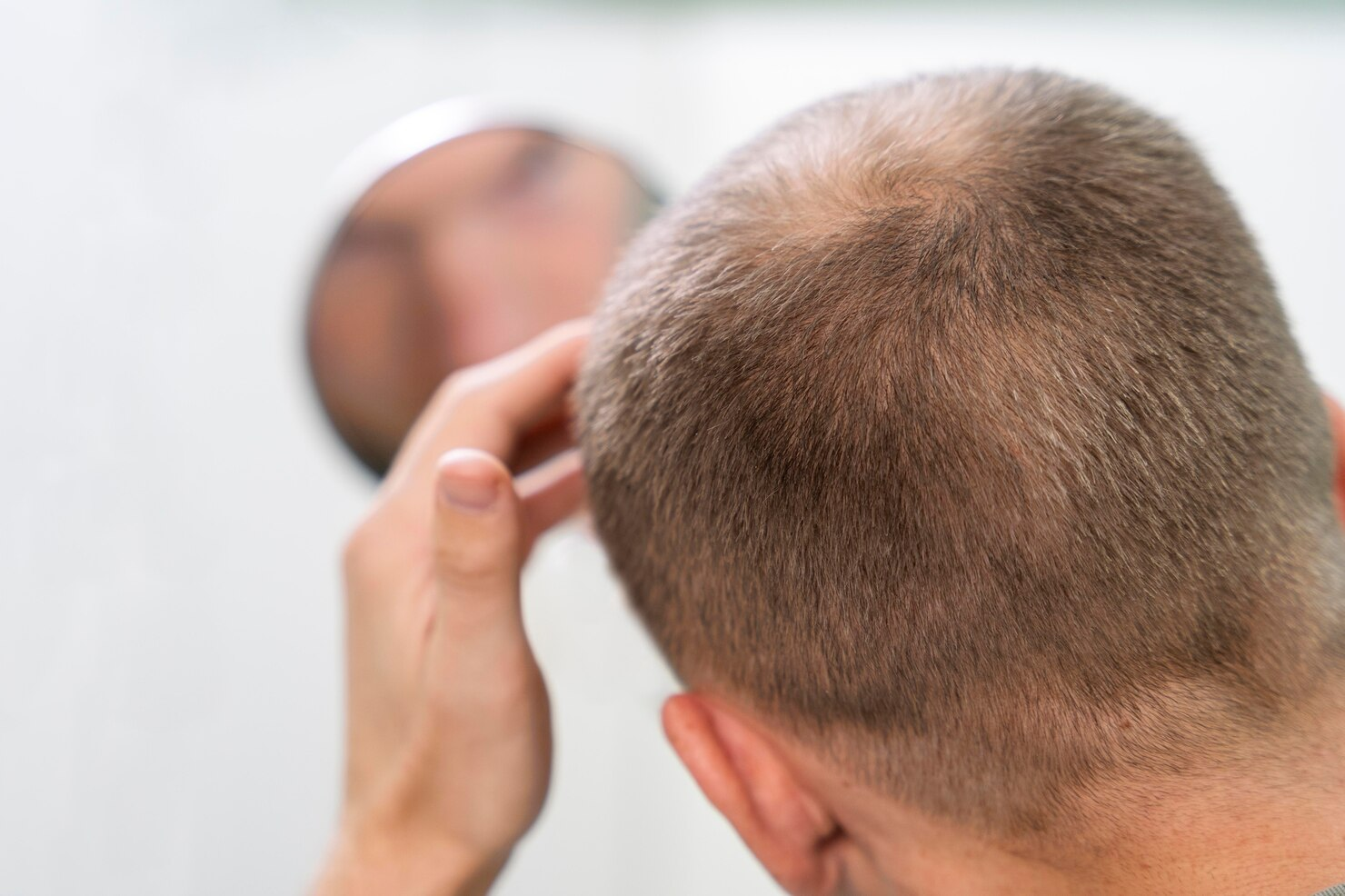
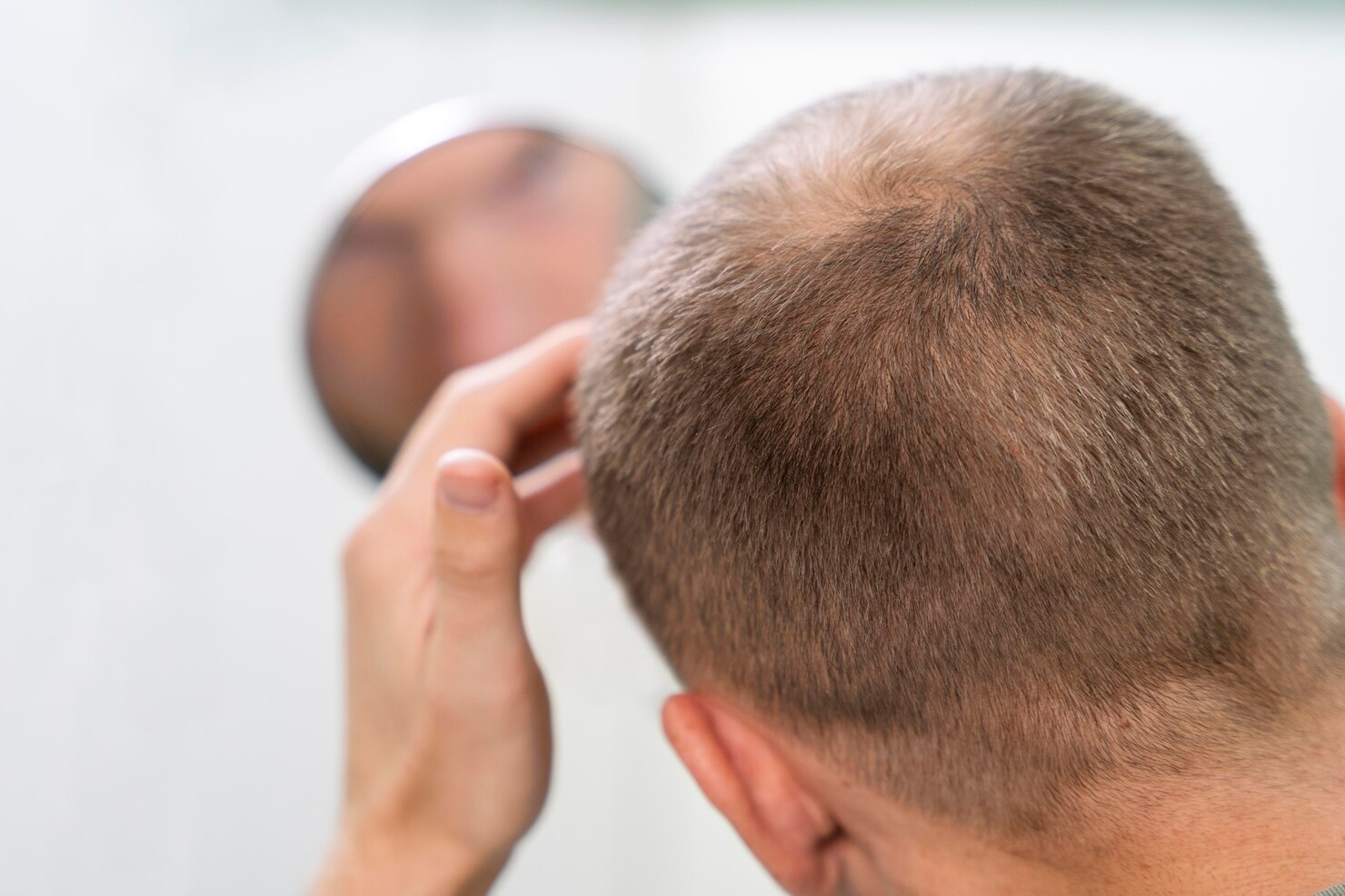
Experiencing hair thinning can significantly impact your self-esteem, but modern restorative procedures offer reliable, permanent solutions. When you decide to address pattern baldness, finding a reputable hair loss clinic in Melbourne represents the crucial first step toward restoring your hairline. Among the various surgical methods available, Follicular Unit Transplantation (FUT) remains a highly effective gold standard for restoring density. This technique involves transplanting a strip of healthy donor hair to areas experiencing thinning. Selecting the right medical team requires careful research, as the success of your procedure depends heavily on the surgeon's skill and the facility's standards. By understanding what makes a premier medical provider stand out, you can make an informed choice for your hair restoration journey.
Understanding the FUT Hair Transplant Procedure
The Science of Strip Harvesting
Before committing to surgery, patients must understand how Follicular Unit Transplantation works and why it remains a popular choice. During this procedure, a surgeon removes a narrow strip of scalp from the donor area, typically the back of the head where hair is genetically programmed to resist balding. Technicians then use high-powered microscopes to dissect this strip into individual follicular units containing one to four hairs. This method allows for the extraction of a large number of grafts in a single session, making it ideal for individuals requiring significant coverage.
Who Benefits Most from FUT?
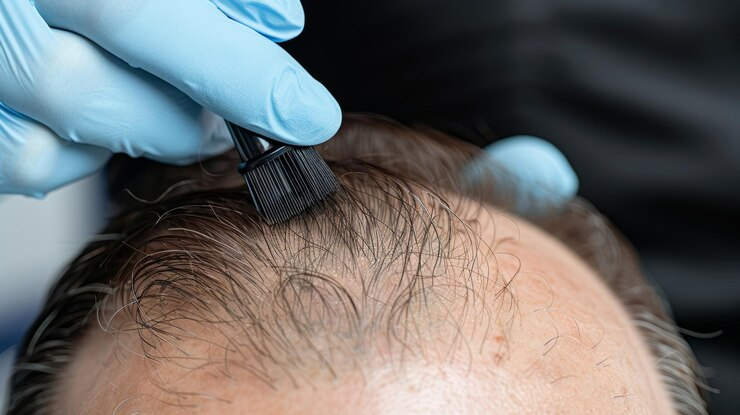
If you are considering a FUT hair transplant in Melbourne, you will find that the city's top practitioners emphasise the precision of this dissection process. Because the donor hair is harvested in a single strip, the surrounding hair follicles remain intact, which maximises the survival rate of the grafts. This technique is particularly beneficial for patients with limited donor hair density, as it preserves the donor zone for potential future procedures. However, because FUT leaves a linear scar, choosing an experienced surgeon who uses advanced closure techniques, such as trichophytic closure, is essential to ensure the scar remains virtually invisible under short hair.
Evaluating Surgeon Credentials and Portfolio
Credentials and Professional Affiliations
The success of your hair restoration depends almost entirely on the expertise of the medical team performing the surgery. When researching a hair loss clinic in Melbourne, prioritise facilities led by qualified, board-certified surgeons who specialise specifically in hair restoration. Look for active memberships in recognised professional bodies, such as the International Society of Hair Restoration Surgery (ISHRS). These credentials demonstrate that the surgeon adheres to strict ethical standards and stays updated on the latest surgical advancements.
Reviewing Patient Portfolios
During your initial research, ask to view a comprehensive portfolio of before-and-after photographs of previous patients. Pay close attention to cases with hair loss patterns and hair characteristics similar to your own. Examine the naturalness of the hairline designs, the angle of the transplanted hair, and the healing of the donor scar. A skilled surgeon understands how to mimic natural hair growth patterns, ensuring that the transplanted follicles blend seamlessly with your existing hair. Do not hesitate to ask about the surgeon's specific experience with the strip harvesting method, as this technique requires a delicate touch to avoid damaging the surrounding scalp tissue and to minimise post-operative discomfort.
Assessing Clinic Technology and Graft Preparation
Microscopic Graft Dissection
The survival of hair grafts relies heavily on how they are handled once removed from the scalp. A premier centre offering FUT hair transplant in Melbourne must feature state-of-the-art cleanrooms and high-magnification stereomicroscopes. After the donor strip is harvested, a dedicated team of technicians dissects the tissue. This process requires extreme precision; even minor errors during dissection can damage the hair bulbs, rendering the grafts useless.
Theatre Standards and Preservation Solutions
Inquire about the temperature-controlled storage solutions and holding media the facility uses to keep the grafts viable during the transition period. The best clinics use specialised holding solutions infused with nutrients to keep the cells healthy while they await implantation. Furthermore, the physical environment must meet stringent medical standards. Cleanliness, sterile equipment, and advanced lighting systems in the operating theatre reduce the risk of infection and facilitate a smoother recovery process. When visiting a facility, observe the overall organisation and ask about their quality control protocols during graft preparation, as these technical details directly influence the final density and natural appearance of your new hair.
The Value of Customised Treatment and Comprehensive Aftercare
Tailored Restoration Planning
Every individual experiences hair loss differently, which means a one-size-fits-all approach rarely yields satisfactory results. A reputable hair restoration centre will always begin with an in-depth, personalised consultation. During this meeting, the specialist should evaluate your scalp laxity, measure donor density, and discuss your long-term hair loss progression. They must design a customised treatment plan that addresses your immediate aesthetic goals while planning for potential future hair loss.
Structured Post-Operative Support
Post-operative care is just as critical as the surgery itself for achieving optimal growth. The clinic should provide a detailed aftercare programme, including specific washing instructions, medications to manage swelling, and scheduled follow-up appointments to monitor healing. The medical team should remain accessible to answer any questions during the crucial first few weeks when the grafts are securing themselves in the scalp. Choosing a provider that offers comprehensive, ongoing support ensures you feel confident and cared for throughout the entire recovery phase, ultimately leading to better graft survival and a more comfortable healing experience.
Conclusion
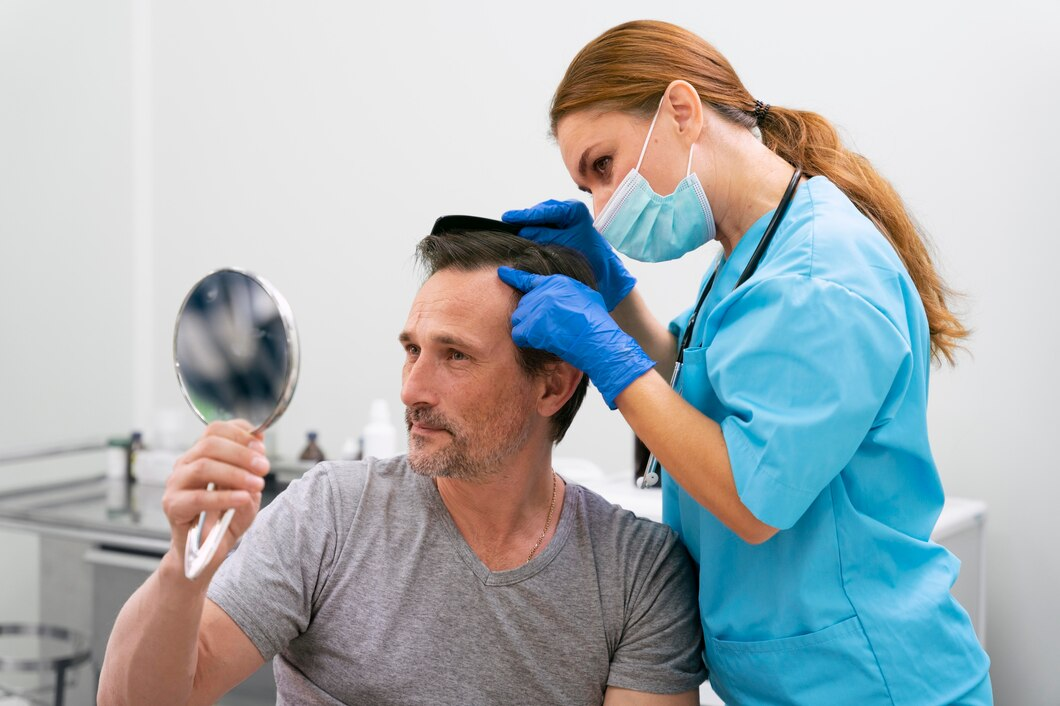
Selecting the right provider for your hair restoration procedure is a significant decision that requires careful evaluation of surgeon expertise, clinic facilities, and patient care standards. By choosing a reputable hair loss clinic in Melbourne, you ensure that your FUT hair transplant in Melbourne is performed by skilled professionals using advanced techniques. Taking the time to review before-and-after portfolios, understand the dissection technology, and assess the quality of aftercare will lead to a successful, natural-looking result. Restoring your hair is an investment in your confidence and long-term well-being, and partnering with the right medical team makes all the difference in achieving the dense, natural hairline you desire.