Rain taps the windows, and the entry mat stays damp longer than usual. A faint musty smell can mean water is lingering where it should not. Seasonal upkeep works best when you start with what water touches first.
A slow drip under the sink can seem minor, then swell into cabinet damage and warped flooring. If a leak repeats after basic tightening, it may help to contact this plumbing service for pressure testing and leak tracing. That kind of check can confirm whether the issue sits in a fitting or in hidden pipework. Early action protects finishes that take real time to repair.
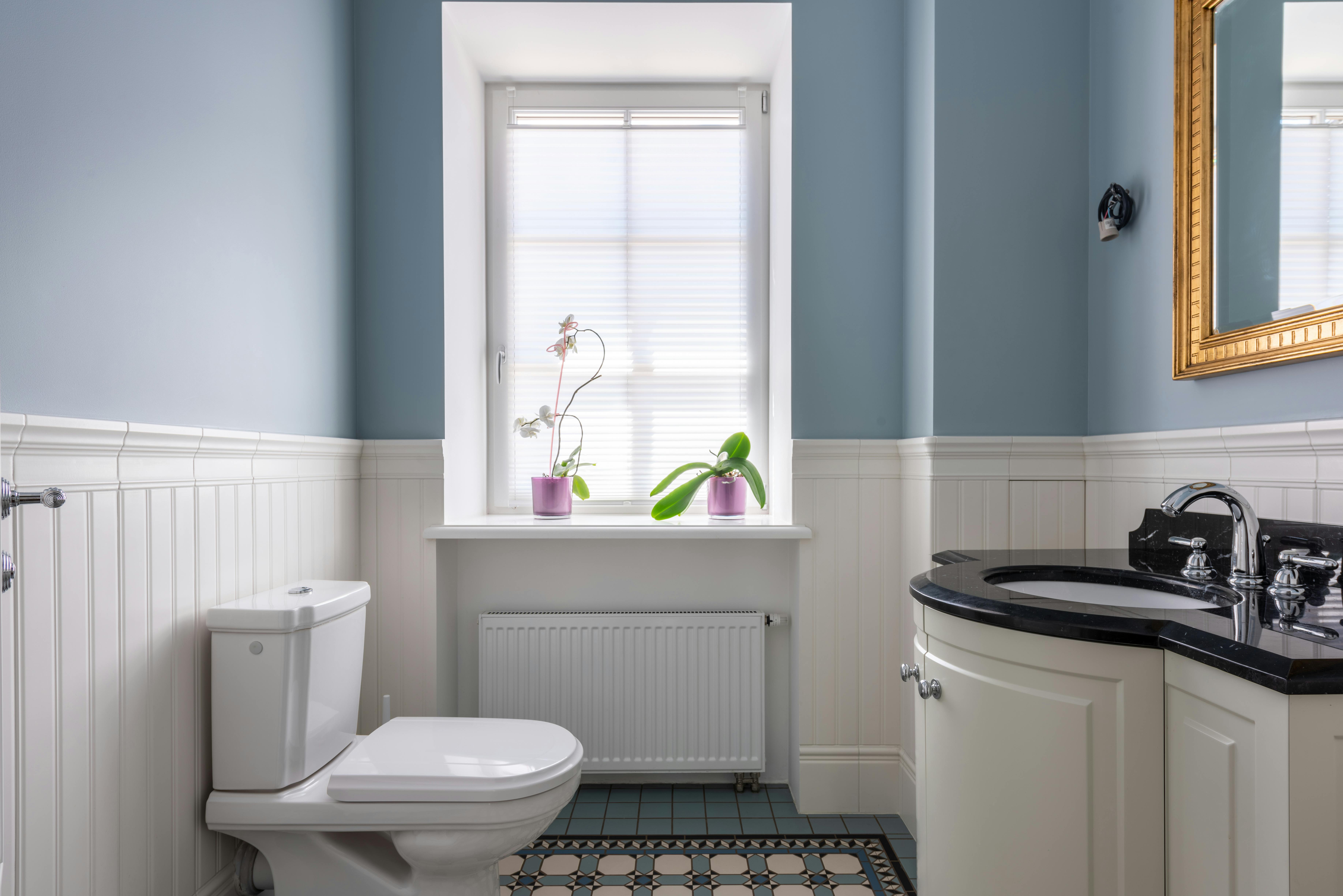
Photo by Max Vakhtbovycn
Spring Reset After Rain And Winter Wear
Start spring by walking the home’s wet zones, then write down anything that looks new. Check under sinks, behind toilets, and around the laundry taps for damp patches. Look at the skirting boards near bathrooms for swelling or paint bubbles. These signs often show up before a full leak becomes obvious.
Outside, clear roof gutters and downpipes so water moves away from the house quickly. Confirm downpipes discharge into drainage points, not beside the slab or garden edging. If you have a yard drain, lift the grate and remove leaf litter carefully. Standing water near the home often ends up inside the home.
Small leaks waste water and also hide in plain sight, especially in toilets and tap fittings. The EPA’s WaterSense program shares practical steps for finding and fixing common household leaks, including toilet checks and simple repairs. You can use those checks as a monthly habit in spring, when water use rises again.
Summer Use Patterns That Stress Pipes And Drains
Summer shifts how your plumbing works, because usage clusters around mornings and evenings. More showers, more laundry, and more outdoor rinsing put steady demand on the system. Heat can also dry out floor waste traps in guest bathrooms, letting odours creep back. A quick flush of little used fixtures helps keep seals working.
Outdoor taps and hoses deserve a close look before heavy garden watering begins. Check for drips at the tap head, then watch the ground for unexplained soggy spots. If you run irrigation, confirm spray heads are not blasting directly at walls or windows. Water against the house can force dampness into frames and cavities.
When drains start to slow, act early, because clogs harden over time in summer heat. Try these steps before a blockage turns urgent.
- Pour hot tap water, then run cold water to check whether flow improves steadily.
- Clean hair and soap buildup from shower grates using gloves and a simple hook tool.
- Empty the kitchen trap basket, then rinse it before food residue dries into a film.
If gurgling returns after cleaning, a deeper line issue may be developing.
Fall Prep Before Storms And Holiday Crowds
Fall is the time to treat water management as storm prep, not just housework. Wind driven rain finds weak seals, while leaf drop clogs gutters in days. Walk the perimeter after a downpour and look for splash marks near vents. If you spot pooling, correct runoff before the next heavy front arrives.
This season is also ideal for checking hot water performance, since colder mains water changes recovery time. If showers swing from hot to lukewarm, sediment may be reducing tank capacity. The US Department of Energy notes many households only need water heaters set to about 120°F for common use. That setting can also reduce scald risk and energy waste. See:
If your home has older pipes, fall is a smart time to listen for warning sounds. Knocking during tap shutoff can point to loose pipe clips or pressure issues. A sewage smell after rain can signal a vent or drain problem outside. Addressing these now avoids mid season surprises when guests arrive. It also protects floors and cabinetry from avoidable water exposure.
Winter Protection For Cold Snaps And Wet Weeks
Cold snaps are not only about freezing, they are about expansion and pressure changes. Exposed pipe runs, outdoor taps, and garage laundry lines are common weak points. Learn where your main shutoff is, and label it clearly for any household member. If you ever need it fast, you will not want to guess.
Use a simple winter routine that fits your normal weekly reset. Keep indoor temperatures steady overnight, even if you lower them slightly. Open vanity doors on very cold nights to let warmer air reach supply lines. If you leave town, do not turn heating off, because stagnant water chills faster.
When storms hit, give drains and overflow paths a quick scan before bedtime. Make sure grates, channels, and yard drains stay clear of leaves and twigs. After a power outage, check for any backing up at floor wastes or low fixtures. If you hear repeated gurgling, stop using water and seek help promptly. A fast response limits damage and cleanup time.
A seasonal plan works when you treat small water signals as useful data, not background noise. Check wet areas, clear drainage paths, and test fixtures before heavy use begins each season. Keep notes so you can spot patterns, like the same drain slowing each summer. With steady habits, you protect the parts of the home that are hardest to dry and restore.
Quick Seasonal Home Maintenance FAQ
How often should I check for leaks? Once a month, plus after heavy rain or cold snaps. Focus on sinks, toilets, and the laundry.
What are early signs of a drain problem? Slow flow, gurgling, pooling water, or smells that keep coming back.
When should I shut off the main water? If water is spreading fast, you hear rushing with taps off, or a pipe bursts.
Why does hot water feel different in cooler months? Colder mains water can reduce recovery. Sharp swings or fast runout may signal a fault.
How do I reduce plumbing issues during holiday visits? Stagger showers and laundry, use sink and shower strainers, and never flush wipes.
What should I do if an outdoor tap drips in summer? Tighten gently, then replace the washer if needed. If the wall stays damp, stop using it and get it checked.
How can I prevent bad smells from little used bathrooms? Run water in the sink, shower, and floor waste for 10 to 20 seconds weekly. This helps refill traps and block sewer gases.
What should I avoid putting down the kitchen sink? Grease, coffee grounds, rice, and fibrous peels. Scrape plates into the bin, then rinse with cold water after use.