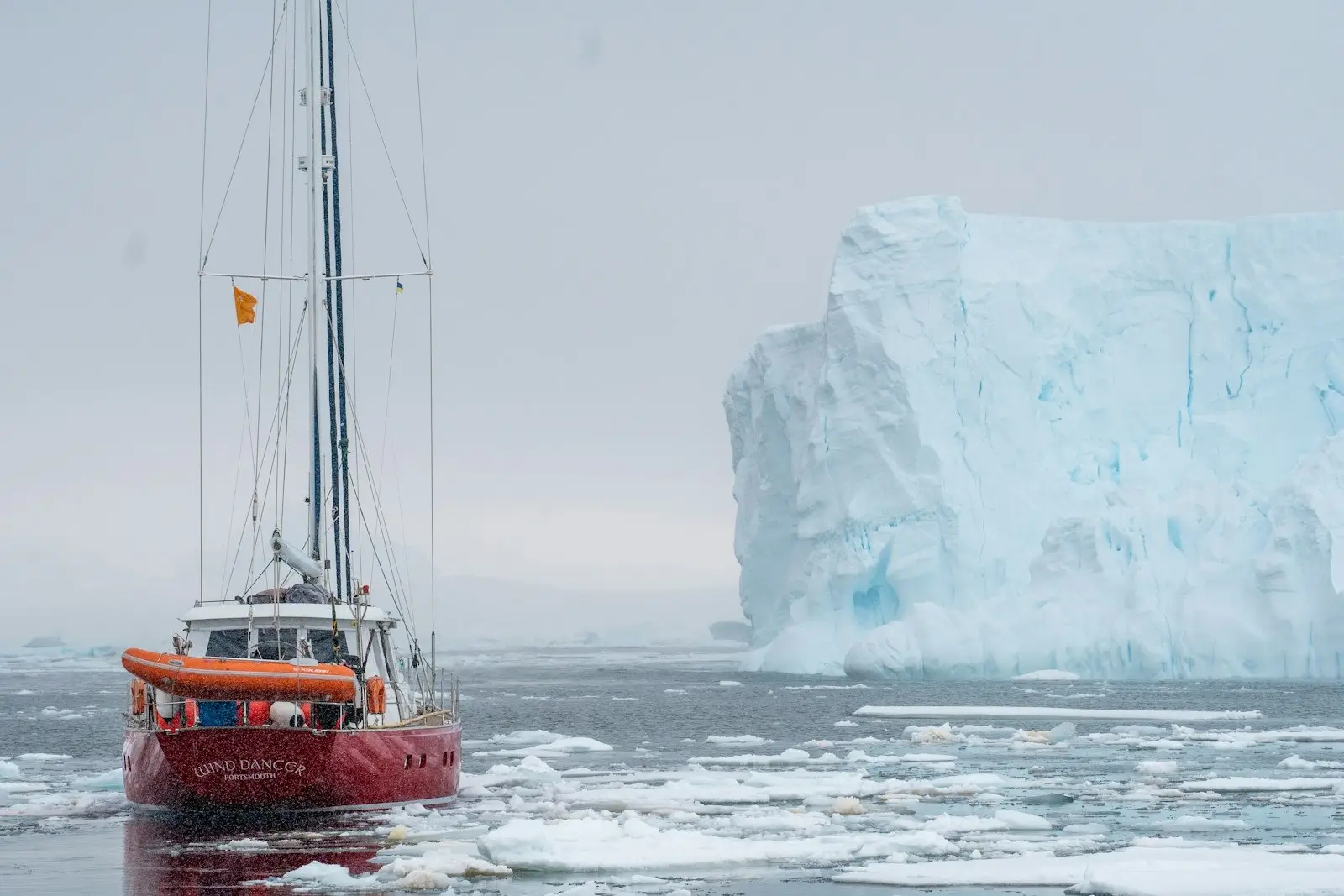
Antarctica is closer to Australia than most people think, yet getting there is rarely a straight line. Most Australians who set foot on the ice actually fly the other way first, to the bottom of South America, before boarding a ship. Others sail from Hobart or New Zealand, or simply enjoy a sightseeing flight over the continent without landing at all.
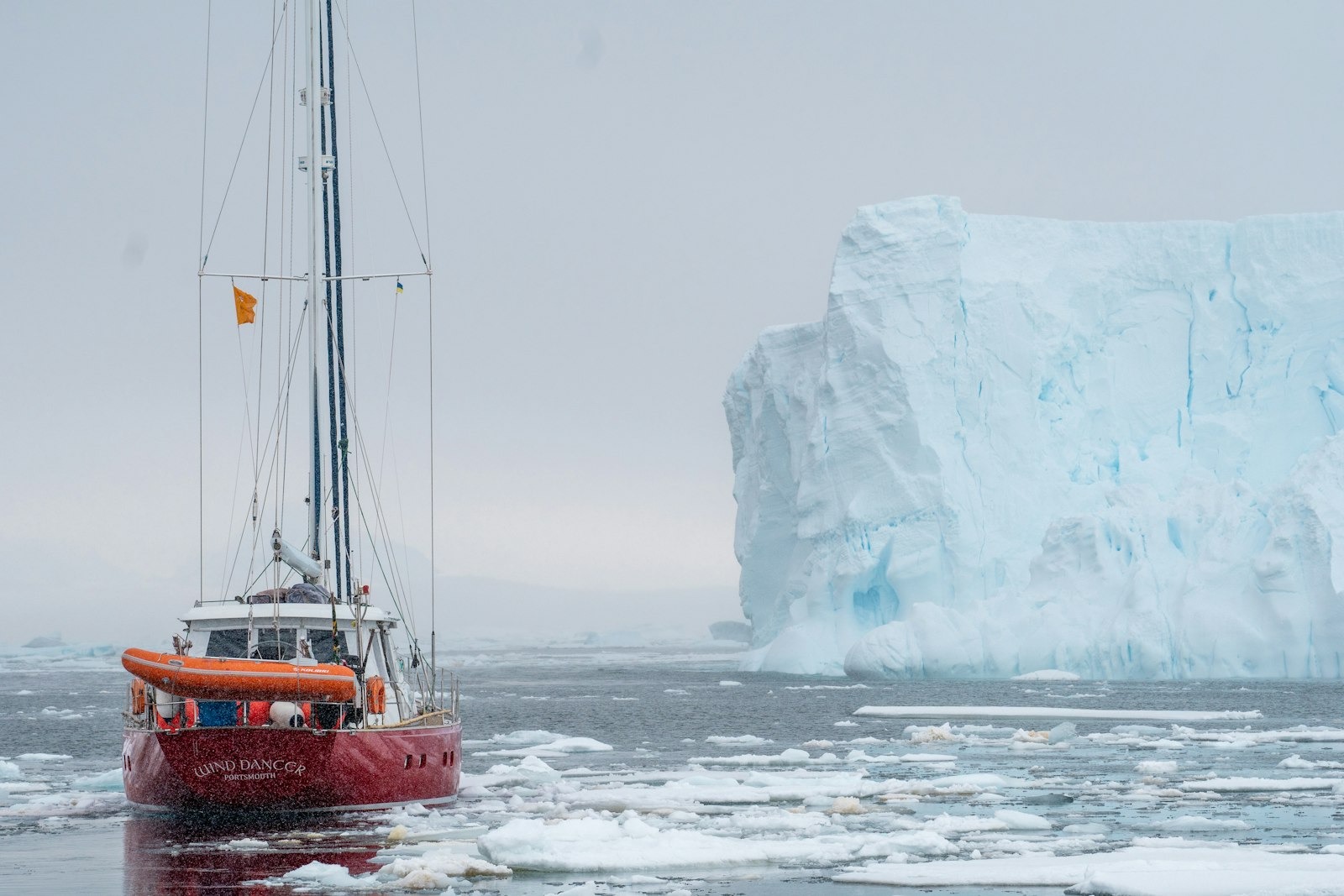
If you are weighing up a trip, this guide covers the main routes from Australia, the best time to go and what life on board and ashore is really like.
Route one: via South America to the Antarctic Peninsula
This is the most common way to reach Antarctica. You fly from Sydney, Melbourne or Brisbane to Santiago or Buenos Aires, connect to Ushuaia in Argentina or Punta Arenas in Chile, and board your ship there.
From the tip of South America, the ship crosses the Drake Passage to the Antarctic Peninsula. According to the Australian Antarctic Division, the vast majority of visitors go to the Peninsula, and the crossing takes around 1.5 to 2 days each way. Voyages usually run from about 10 days to several weeks.
The Peninsula is where you will find the classic Antarctic scenes: penguin colonies, glaciers calving into narrow channels, and whales feeding in the summer light. It is also the busiest region. IAATO figures show 85,195 landed visits in the 2025-26 season, with most of that activity on the Peninsula.
Choosing an Antarctica expedition cruise that suits you
Ships vary a lot, and the right choice depends on your budget, comfort level and how much time you want on shore.
Smaller expedition ships can put all their guests ashore at the same time and reach narrower bays. Larger ships may offer more cabins and lower fares but less time ashore per passenger. On the luxury end, Silversea runs an Antarctica expedition cruise program on Silver Cloud and Silver Endeavour, with suites, butler service, Zodiac landings and expert lectures included.
Sydney-based Aurora Expeditions, French line Ponant and New Zealand's Heritage Expeditions also run Antarctic voyages, so it pays to compare itineraries, ship size and inclusions before you book.
When comparing options, look at:
-
Passenger numbers. Fewer guests usually means more landings and more flexibility.
-
Ice class. An ice-strengthened hull gives the captain more options in changing conditions.
-
What is included. Flights, pre-cruise hotels, parkas and gratuities can add up if they are extra.
-
Activities. Kayaking, camping and polar plunges are often optional extras with limited places.
Route two: fly over the Drake
If the thought of two days of open ocean puts you off, a fly-cruise may suit you better. These itineraries fly passengers from southern Chile to King George Island in the South Shetlands, where they join the ship directly.
You save time and skip the roughest water, but flights depend on the weather. Delays of a day or more are possible, so build some slack into your plans on both ends.
Route three: from Hobart or New Zealand
Fewer voyages head south from this side of the world, but they do exist. These trips usually travel to East Antarctica or the Ross Sea, visiting historic huts from the heroic age of exploration and sub-Antarctic islands along the way.
They are longer and more expensive. The Southern Ocean crossing alone takes around 10 days, according to the same Australian Antarctic Division guidance. The reward is a part of Antarctica that relatively few people ever see.
Route four: a sightseeing flight
For a taste of the continent without the expedition, scenic flights depart from Australian cities during summer. These are long round trips that fly over the ice and return without landing. They are a good option for travellers with limited time or mobility, or for anyone who wants a first look before committing to a full voyage.
When to go
The Antarctic travel season runs during the southern summer. The best conditions on the Peninsula are generally from mid-November to early March.
-
November: Pristine snow, courting penguins and fewer ships.
-
December and January: Long daylight hours, penguin chicks and the warmest temperatures.
-
February and March: Whale sightings peak, chicks are growing up and fares are sometimes lower.
Popular departures, especially over Christmas and New Year, often sell out a year or more ahead. Australians also need to plan around long-haul flights to South America, which can take a full day with connections. Adding a buffer night in Ushuaia or Punta Arenas before the ship sails is a smart move, since a missed connection can mean a missed voyage.
What the trip really involves
Rough seas and how to cope
The Drake Passage has a reputation, and sometimes it earns it. Healthdirect notes that most people adapt after a couple of days on sea voyages, and suggests looking at the horizon, eating lightly and avoiding alcohol. Travel sickness medicines can help, but talk to a pharmacist or doctor first, since they can cause drowsiness.
Cold, but not always freezing
Summer temperatures on the Peninsula are often around zero. Wind and wet are the real challenge. Dress in layers, with waterproof outer gear, warm gloves, a hat and good sunglasses, since the glare from snow and ice is intense.
Remote means remote
There are no hospitals or quick evacuations in Antarctica. Smartraveller warns that consular help is limited in polar areas and that rescue or medical help can take days to weeks to arrive. Australians are urged never to travel without insurance that covers polar travel, medical evacuation and search and rescue.
Strict environmental rules
Expect boot washing, vacuuming of outer clothing and clear rules on how close you can get to wildlife. These steps protect one of the most fragile places on earth, and expedition staff take them seriously.
Is it worth it?
For most travellers who go, the answer is a resounding yes. Antarctica is expensive and takes planning, but few places on earth leave such a lasting impression. Pick your route, choose the right season and ship, and prepare for the cold and the sea. The ice will do the rest.