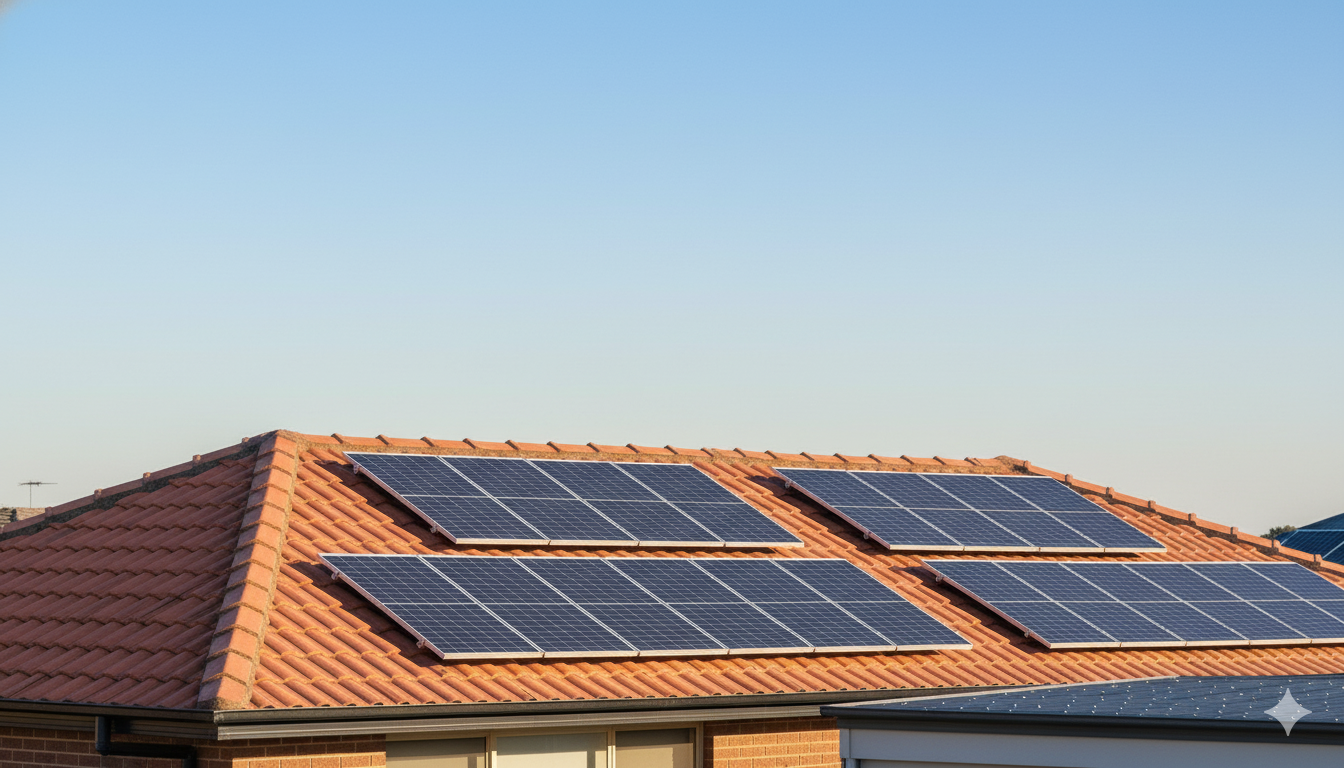
In the Whitsundays, we’re lucky to have some of the best sunshine in Queensland, which means a well-designed solar system can deliver huge long-term savings. But to get those results, it’s important to choose a system that fits your household’s energy needs, lifestyle, and future plans.
Looking for solar panel installers near you? At All Whitsunday Electrical, we help homeowners across Airlie Beach, Cannonvale, Proserpine, and the surrounding communities make confident, informed decisions about solar power. Here’s a clear, homeowner-friendly guide to choosing the right size system for your roof and your budget.
1. Start With Your Energy Usage
Your energy usage is the most important factor when sizing a system. The best place to begin is your electricity bill. Look for:
- Average daily kWh usage
- Seasonal trends
- Daytime vs evening consumption
If most of your electricity use is during the day, you’ll make full use of the power your system generates as it’s produced. If you use more power at night, adding a battery later may be worth considering.
As a general guide, the average Whitsundays household uses between 15–25kWh per day, which usually suits a 6.6kW to 10kW system. But every home is different, so it’s important to size based on your actual numbers.
2. Think About Your Future Energy Needs
A system that only fits your needs right now may not be enough later. Many homeowners wish they’d upsized when they had the chance, especially as energy usage increases over time.
Think about whether you plan to add:
- A swimming pool
- A spa
- A home office
- Air-conditioning upgrades
- An electric vehicle
- A battery storage system
Designing for future needs can save you money by avoiding additional solar installation work later on.
3. Understand Your Roof Space and Orientation
Your roof’s size, shape, orientation, and shading will all impact the system you choose.
Here in the Whitsundays, north-facing panels offer the most consistent solar power production. However, east/west layouts can work extremely well too, especially for households that want power earlier in the morning and later in the afternoon.
We always carry out a site inspection to check:
- Available roof space
- Shading from trees, neighbouring buildings, or roof features
- Roof pitch and condition
- Whether structural upgrades are needed
A good system isn’t just about kW size, it’s about how efficiently that system works on your roof.
4. Don’t Just Compare System Sizes, Compare Quality
Not all solar systems are created equal. Two systems with the same kW rating can perform very differently depending on the panel and inverter quality.
That’s why we recommend choosing reputable brands backed by strong warranties. As a trusted local and industrial solar installer, we’ve seen first-hand the difference quality components make. This is especially true in a tropical environment where heat, humidity, and storms can push cheaper systems to their limits.
Look for:
- Tier 1 solar panels
- High-efficiency ratings
- A reliable inverter (the heart of your system)
- Weather-resistant mounting hardware
- Solid warranties from manufacturers that will actually be around in 10–25 years
Choosing quality now helps ensure your system stays safe, durable, and productive for decades.
5. Understand Your Budget and Payback Period
The right size system should strike a balance between affordability and long-term savings. Bigger systems generate more energy, but they also cost more upfront.
Here’s a simple way to think about payback:
- A well-designed system will typically pay for itself within 3–6 years, depending on your usage and tariff.
- Larger systems often reach payback faster because they produce more power.
- Feed-in tariffs (payments for excess solar sent back to the grid) can help offset costs.
Your installer should walk you through a personalised savings estimate so you know exactly what to expect.
6. Work With a Local Team Who Knows the Climate
Choosing a local solar team means choosing people who understand our weather, our building standards, and our unique coastal environment.
At All Whitsunday Electrical, we tailor every solar installation to suit the Whitsundays climate, from cyclone-rated mounting systems to corrosion-resistant materials. We stay by your side long after installation, offering maintenance, repairs, and performance checks whenever you need them.
Ready to Go Solar? We’re Here to Help
Choosing the right size solar system doesn’t have to be confusing. When you work with our experienced local team, we’ll guide you through every step, from assessing your energy usage to designing a system that’s efficient, reliable, and built to last.
If you’re thinking about installing solar power for your Whitsundays home, reach out to All Whitsunday Electrical today. We’re here to help you save more and stress less.