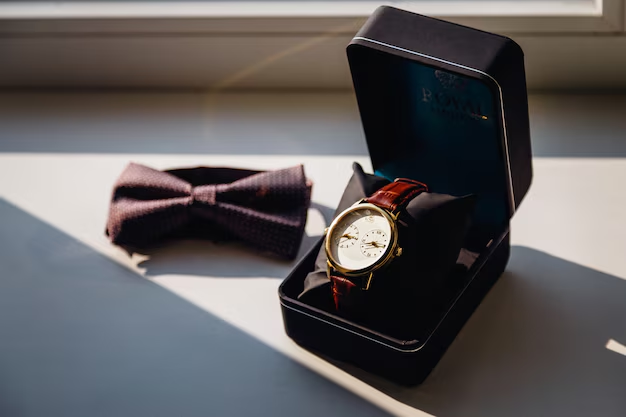
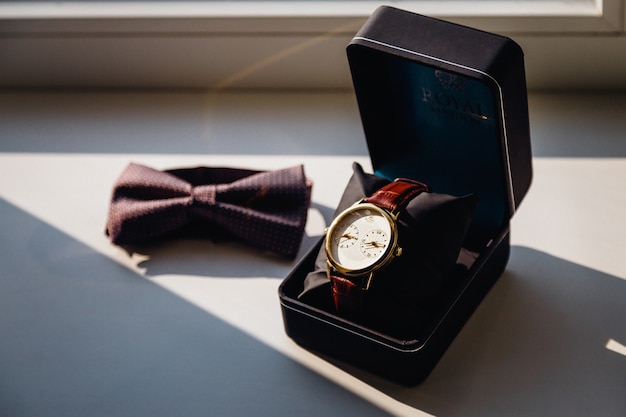
Luxury watches are built on precision, heritage, and storytelling. The box they arrive in should match that same standard because packaging is often the first physical moment of ownership. If you are sourcing premium presentation packaging, working with a luxury watch box manufacturer in Thailand can be a practical way to balance craftsmanship, customisation, and scalable production while still delivering an unboxing experience worthy of what is inside.
Why does packaging matter more than most people think
A luxury watch box is not just a container. It protects delicate components, prevents scratches during transport, supports retail presentation, and reinforces brand identity. In many cases, the packaging is kept for years and becomes part of the watch’s resale story. That means weak hinges, cheap lining, or sloppy branding can quietly damage perception even if the watch itself is flawless.
A well-made box can also reduce headaches behind the scenes. Better protection can mean fewer returns and fewer customer service issues. A better structure can mean fewer damaged units in transit. And better organisation can help retailers present your watches in a cleaner, more consistent way.
Step 1: Choose the right box style and structure
Before you pick colours or add foil stamping, decide on the box structure that fits your product range and sales channels.
Rigid set-up boxes (a common choice for luxury)
These are sturdy, premium-feeling boxes with a firm shell. They suit gifting and boutique presentation, and they photograph well, which matters for reviews and social posts.
Clamshell or hinged lid boxes
A hinged lid can feel more ceremonial. If you want a slower reveal when the box opens, this is a strong option. Pay attention to hinge strength and alignment because a loose hinge cheapens the whole experience.
Drawer-style boxes (slide-out design)
Drawer boxes feel modern and allow branding across multiple surfaces. They also make it easy to include booklets and warranty cards without everything sliding around.
Compact boxes and travel cases
If your brand ships frequently or targets customers who travel, consider a compact design that still looks premium. This can help reduce shipping costs while maintaining high protection.
Step 2: Materials that signal quality straight away
Materials are where luxury becomes instantly noticeable. The hand-feel, the weight, and the sound of the lid opening all contribute.
Outer wrap options
- Paper wrap (premium textured paper): A high-quality paper with subtle texture can feel elegant without shouting. It also gives you flexibility for colour matching.
- PU leather or faux leather: Often used for classic luxury. It pairs well with debossing for a clean logo finish.
- Fabric wrap (linen, canvas, suede-like fabrics): Ideal for boutique brands wanting a softer, more artisanal feel.
- Wood finishes or veneer accents: Add heritage character, but can increase cost and lead time.
Internal structure
- Greyboard or rigid board core: Thickness and density affect perceived quality. The thin board flexes and can feel flimsy.
- Reinforced corners: Corners take the first hit in transport, so reinforcement matters if you ship directly to customers.
Inside lining materials
- Velvet or velour: Soft and classic, but check for lint and colour transfer on lighter straps.
- Microfibre suede: A premium feel that is often easier to keep looking clean.
- Satin or silk-like lining: Looks refined, but can crease and show glue marks if not finished properly.
Step 3: Inserts and pillows that protect and present
The insert is what customers touch first. It also determines whether the watch sits securely or shifts around.
Common insert types
- Watch pillow: The most common option. Pillows should be firm enough to hold shape but not so hard that they strain straps.
- Die-cut foam with fabric wrap: Strong for protection and custom shapes. Great if you include extra straps or tools.
- Moulded trays (then wrapped): Useful for consistent shapes at scale, but make sure it still feels premium once wrapped.
Details to get right
- Fit range: If you sell multiple strap sizes or case sizes, make sure the insert accommodates variation.
- Strap protection: Sharp edges or overly tight fit can crease leather over time.
- Accessory placement: Decide where the booklet, warranty card, and any tools sit so the experience feels considered.
Step 4: Finishes that make branding look expensive (without overdoing it)
Luxury packaging usually comes down to restraint and sharp execution.
Premium finishing options
- Debossing or embossing: Clean and tactile. Works especially well on PU leather or textured paper.
- Foil stamping: Great for logos and subtle accents. Gold, silver, rose gold, and matte foils can look premium when used sparingly.
- Spot UV: Adds contrast on matte surfaces, but it can look overly glossy if overused.
- Metal plaques or nameplates: High-end, but costlier. Best suited to premium ranges or limited editions.
- Edge painting and colour matching: A small detail that can lift the whole presentation when executed well.
Common mistakes
- Overusing metallic finishes so the box feels gaudy
- Low-resolution logo artwork that looks fuzzy when stamped
- Inconsistent colour matching between the outer wrap, insert, and printed materials
Step 5: Design the unboxing journey, not just the box
A luxury box is a sequence of moments: shipping carton, protective wrap, lid opening, watch reveal, paperwork access, and storage.
Practical upgrades that often make a big difference:
- Magnetic closures: Secure and satisfying to open.
- Ribbon pull tabs: Help remove trays without digging fingers in.
- Dust bags or outer sleeves: Adds a premium layer and reduces scuffing.
- Separate document compartment: Keeps booklets and warranty cards flat and clean.
Step 6: What to ask your supplier before you place an order
Even premium concepts can fall apart if the details are unclear. These questions help you avoid costly surprises.
1) What board thickness and density do you recommend for my watch weight and shipping method?
Ask for a sample built to the proposed specification, not a generic sample.
2) Can you provide material swatches and explain durability?
Some papers scuff easily. Some PU leathers crack over time. Ask about wear resistance and handling.
3) How do you prevent glue marks, bubbling, and corner lifting on wrapped boxes?
This is a common quality issue. A reliable supplier will have a controlled process and QC checks.
4) What are your tolerances for logo alignment and lid fit?
Luxury packaging needs tight alignment. Ask how they measure it and what margin they allow.
5) Can you customise the insert for different strap sizes or models?
If you sell multiple watch sizes, you may need different pillow sizes or an adjustable insert design.
6) What is the MOQ, and how does pricing change at higher quantities?
Even if you start small, you want a clear path to scale.
7) What is the usual lead tim,e and what can cause delays?
Materials, custom tooling, and finishing processes can affect timelines. Ask what the critical path is.
8) Do you support sustainable materials or FSC-certified options?
If sustainability matters to your brand story, confirm which materials and certifications are available.
9) How is packaging tested for transport?
Ask about drop testing, compression testing, or at least how boxes are packed inside shipping cartons.
10) Can you show recent watch packaging projects or similar premium work?
You want proof of consistent execution, not a one-off perfect sample.
Step 7: How to assess samples properly
When samples arrive, do not only look at them on a desk. Use them as a customer would.
A quick checklist:
- Does the lid open smoothly and close cleanly?
- Do edges look sharp and neat?
- Is the logo crisp, centred, and consistent?
- Does the insert hold the watch securely without pressure marks?
- Does the lining shed lint or attract dust easily?
- Does the box show fingerprints or scuffs after handling?
- Does it still look premium under phone camera lighting?
A luxury watch box is a quiet brand ambassador. The right materials, insert design, and finishing choices protect your product and lift perceived value. More importantly, thoughtful packaging builds trust before the customer even fastens the watch on their wrist. Treat packaging as part of the product experience, and you will often see fewer issues, better reviews, and a stronger brand presence.