
- Post Title
- Choosing the Right Weight: Lightweight vs. Heavyweight Horse Rugs
- Posted Time
- 09/19/2024
- Author
- Kimberly Warren
- Advertiser
- Kimberly Warren
About this post
Post Description:
Selecting the right rug for your horse is an important aspect of ensuring its comfort and well-being throughout the year. From lightweight to heavyweight horse rugs, understanding the differences in weight, purpose, and sizing is crucial to keeping your horse cosy in winter and cool in summer. This guide will walk you through the process of choosing the perfect horse rug weight, ensuring your horse remains happy and healthy regardless of the weather.
Understanding Horse Rug Sizing
When choosing a rug, size is as important as weight. The right size not only keeps your horse comfortable but also ensures that the rug functions properly, preventing injuries or discomfort. But how do you determine the correct size?
The Importance of Correct Horse Rug Sizing
Horse rugs are available in various sizes, and selecting the right one is vital. A rug that’s too small will rub against your horse's skin, causing sores, while one that’s too large can slip and cause accidents. To avoid this, horse rug sizing must be accurate.
Rugs are usually measured in feet and inches, corresponding to the length from the centre of the horse’s chest to the point where the rug ends, near the tail. Horse rug sizes typically range from 4'6" for ponies to 7'3" for large breeds. Making sure you know your horse’s dimensions will ensure that the rug stays in place, providing optimal protection and comfort.
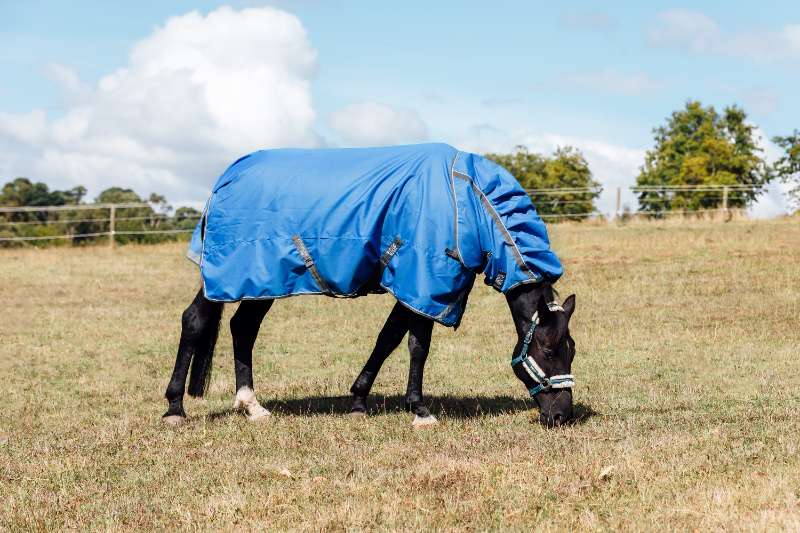
How to Measure Your Horse for a Rug
To measure your horse for a rug, start by using a flexible tape measure. Begin at the centre of the horse’s chest, measuring along the side of the body to the point of the rump where you expect the rug to finish. Make sure the horse stands squarely on all four legs for an accurate measurement.
This straightforward approach ensures that you choose the perfect rug size for your horse, whether you're purchasing a horse winter rug or a lightweight rug for warmer months.
Types of Horse Rugs: Lightweight vs Heavyweight
Horse rugs come in two main types: lightweight and heavyweight. Understanding the differences between these will help you decide when and why to use each.
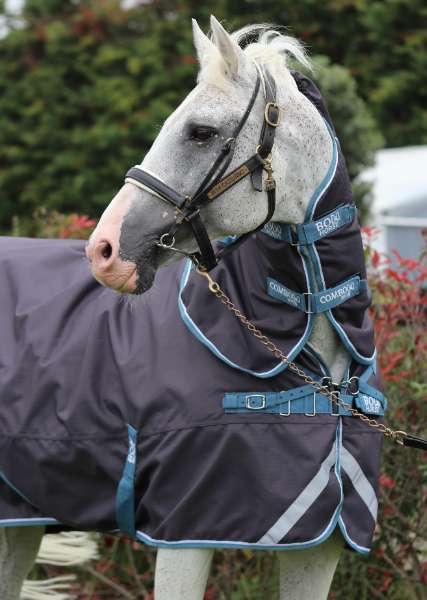
Lightweight Rugs: When and Why to Use Them
A lightweight rug is typically used in milder weather, like early spring or autumn. These rugs are designed to protect horses from rain and wind without adding too much warmth. They are usually around 50g to 150g in weight, which means they offer a light layer of protection, ideal for horses that still have a thicker coat or during those unpredictable transitional seasons.
Lightweight rugs are especially useful for horses that are not fully clipped and can manage lower temperatures without extra insulation. For instance, if your horse is turned out in wet, breezy weather but not too cold, a rug horse weighing 50g-100g may be the perfect choice.
Heavyweight Rugs: Ensuring Warmth in Cold Conditions
Heavyweight rugs are essential during the winter months when temperatures drop significantly. With a weight ranging from 300g to 550g, these rugs are designed to provide maximum warmth to horses, especially those that are clipped or naturally struggle to retain body heat.
If your horse spends long periods outdoors during winter, a horse winter rug with heavy insulation is necessary to protect them from the elements. These heavyweight rugs keep your horse snug even in the harshest conditions, making them a must-have in colder climates.
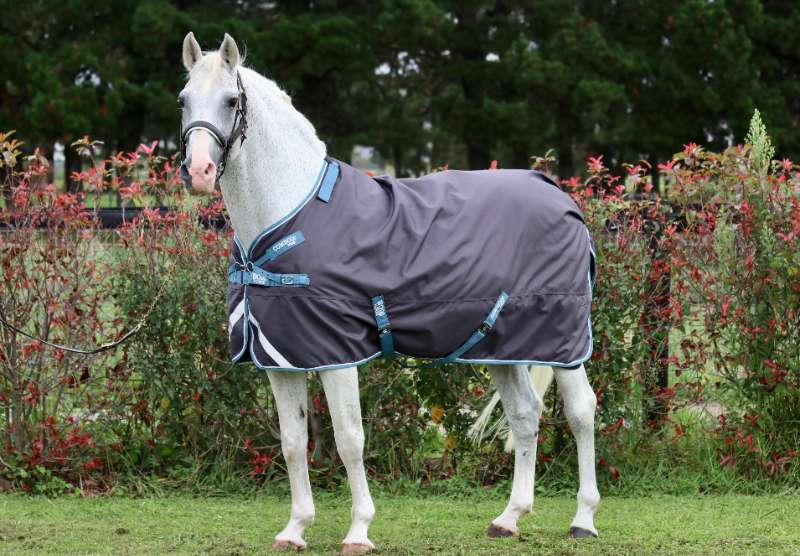
Material Considerations for Horse Rugs
The material of the rug plays a significant role in its performance. Horse rug sizing aside, choosing the right material impacts breathability, water resistance, and durability. Many lightweight rugs are made from breathable nylon, which prevents overheating, while heavyweight rugs often feature tough, waterproof outer layers with thick, insulating fillings. Always consider your horse’s activity level and the weather conditions before deciding on the material.
Seasonal Rugging: Adapting to Changing Weather
Rugging your horse isn’t just about one season—it's about adapting to the changing weather throughout the year. Understanding the different seasonal needs of your horse helps you switch between lightweight and heavyweight rugs effectively.
Winter Rugging: Protection Against Harsh Conditions
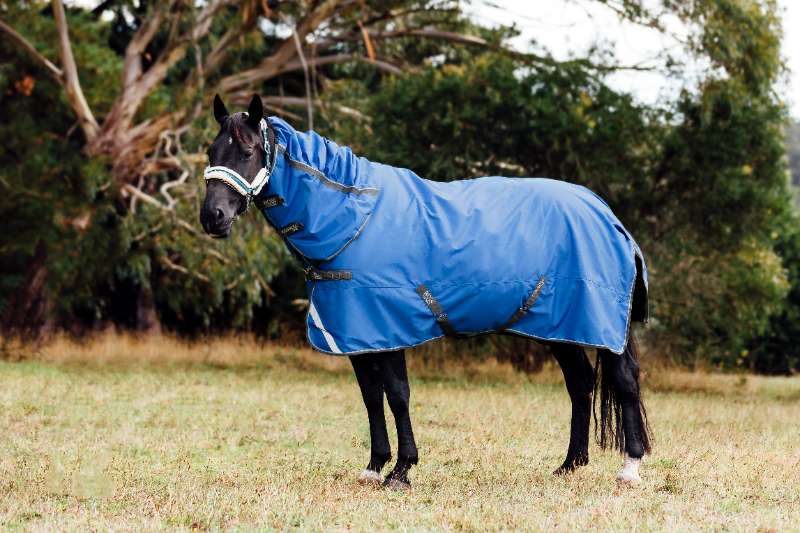
During winter, the combination of cold winds, rain, and snow can make your horse uncomfortable, even leading to health issues if not managed properly. A heavyweight winter rug is ideal during these times, providing not just warmth but also protection from the wet. For added comfort, you can choose a horse winter rug with a neck cover to protect sensitive areas like the shoulders and neck from freezing winds.
Summer and Transitional Rugging: Keeping Your Horse Comfortable
In summer, horses often don’t need a rug at all. However, during cooler nights or periods of rain, a lightweight rug can offer protection without causing your horse to overheat. For transitional months—like spring and autumn—using medium-weight rugs (150g-250g) provides a balance between keeping the horse warm during cooler temperatures and allowing enough airflow to prevent overheating.
Signs Your Horse Needs a Different Rug
How can you tell if your horse’s rug needs to be changed? Some signs to watch for include:
Overheating: Sweating under the rug indicates the need for a lighter weight.
Shivering: If your horse is visibly cold, you may need to switch to a heavier rug.
Rubbing: Signs of wear or rubbing on the skin suggest the rug size or fit is incorrect.
Always keep an eye on your horse’s behaviour, as their comfort levels change with the weather.
Maintenance and Care for Long-Lasting Horse Rugs
Proper maintenance of horse rugs can extend their lifespan significantly. Regularly check for any tears, particularly around the seams and straps. Waterproof rugs should be reproofed periodically to ensure they remain effective in wet conditions. Cleaning your horse’s rug with mild detergent and storing it in a dry, safe place will help it last for many seasons.
Conclusion: Finding the Right Balance Between Comfort and Warmth
Choosing between lightweight and heavyweight horse rugs is all about understanding your horse’s needs in different weather conditions. With the right size, weight, and material, you can ensure your horse stays comfortable throughout the year. Keep an eye on your horse’s comfort levels, switch rugs as necessary, and maintain them properly to provide lasting protection