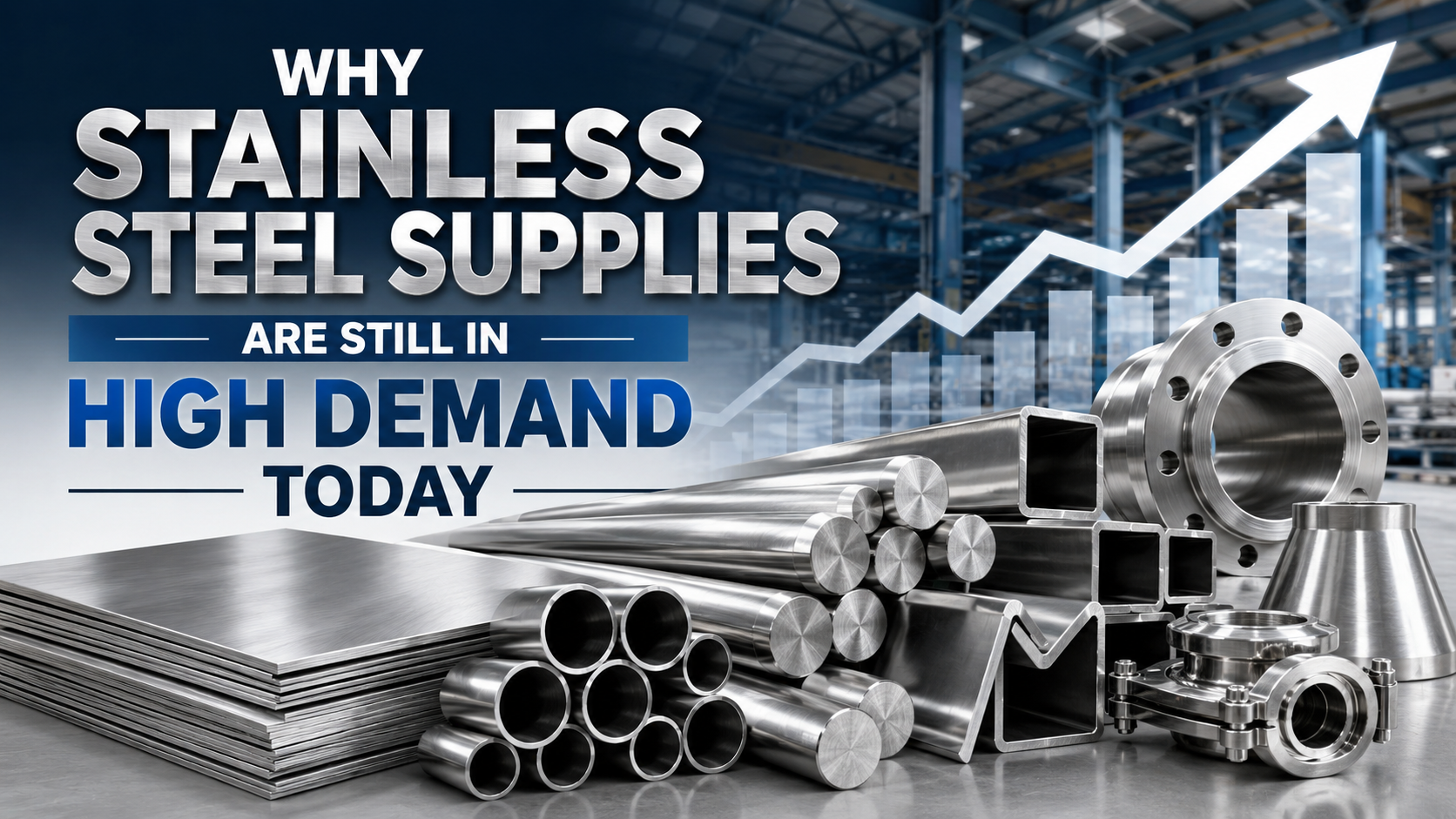
Stainless steel is one of those materials people come across almost every day without even thinking about it. It is used in kitchens, buildings, factories, hospitals, restaurants, warehouses, and many other places. The growing demand for stainless steel supplies in Australia reflects the material’s importance across industries that require durability, corrosion resistance, and long-term reliability. From handrails and sinks to machinery and construction materials, stainless steel has become a major part of modern life.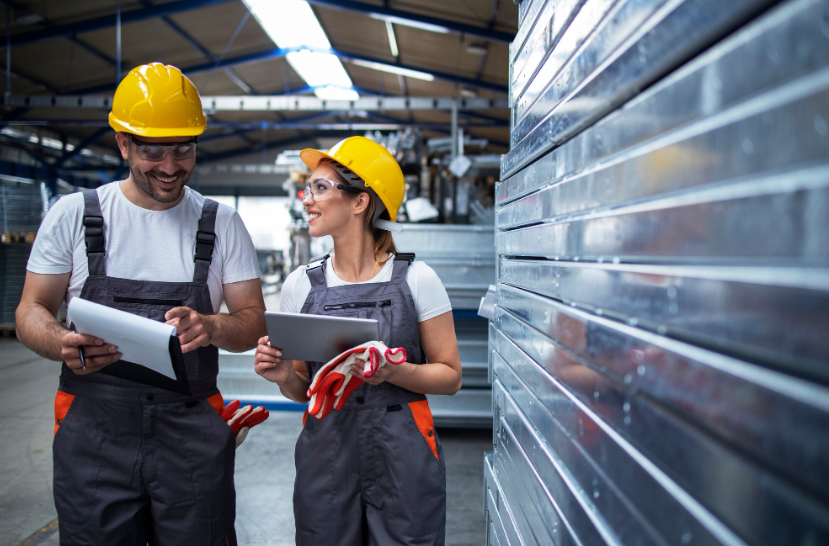
The reason behind its popularity is simple. Stainless steel is strong, reliable, easy to maintain, and built to last. Businesses and property owners want materials that can handle daily use without causing constant problems, and stainless steel continues to prove itself in that area.
Over the years, industries have changed a lot. Companies now focus more on durability, hygiene, efficiency, and long-term value when choosing materials. Stainless steel supplies continue to meet those needs because they offer a balance between performance and practicality.
What Makes Stainless Steel Different
One of the main things that separates stainless steel from ordinary steel is its resistance to rust and corrosion. This is important because many materials begin to weaken when exposed to moisture, chemicals, or outdoor weather for long periods.
Stainless steel contains chromium, which creates a protective layer on the surface of the metal. This layer helps prevent rust from forming easily and keeps the material looking cleaner for longer.
This feature alone makes a huge difference in industries where equipment and surfaces are constantly exposed to water, heat, or harsh conditions. Instead of replacing damaged materials regularly, businesses can rely on stainless steel for long-term performance.
The material is also known for its strength. Stainless steel can handle pressure, impact, and continuous use without easily bending or breaking. This is why it is commonly used in construction, manufacturing, and heavy-duty environments.
Another thing people like about stainless steel is its appearance. It has a clean and modern look that works well in commercial spaces, kitchens, offices, and public areas. It looks professional while still being practical.
Why So Many Industries Use Stainless Steel Supplies
One of the biggest reasons stainless steel supplies are widely used is that they fit into so many industries. Very few materials are as flexible and dependable across different types of work.
In construction, stainless steel is often used for structural supports, handrails, roofing parts, cladding, and decorative finishes. Builders prefer it because it stays strong even when exposed to outdoor conditions.
Restaurants and food businesses rely heavily on stainless steel because it is easy to clean and helps maintain hygiene standards. Benches, sinks, kitchen equipment, and food preparation areas are commonly made from stainless steel.
Manufacturing facilities also use stainless steel for machinery, tanks, pipes, and processing systems. Since factories often deal with heat, pressure, and chemicals, they need materials that can handle demanding conditions.
Hospitals and healthcare spaces also depend on stainless steel products because they are hygienic and durable. Medical environments require surfaces that can be cleaned regularly without damage.
Durability Saves Time and Money
People often focus on the upfront cost of materials, but long-term performance matters just as much. Stainless steel may sometimes cost more at the beginning compared to cheaper materials, but it often saves money over time.
This is because stainless steel lasts much longer and requires less maintenance. Businesses do not want to spend money replacing damaged equipment or repairing rusted materials every few years.
Strong materials also help avoid operational problems. In commercial and industrial settings, equipment failures can cause delays, downtime, and safety concerns. Stainless steel helps reduce those risks because it performs reliably under pressure.
For businesses trying to balance quality and long-term cost efficiency, stainless steel often becomes the smarter choice.
Stainless Steel and Modern Construction
Modern buildings are expected to be durable, safe, and visually appealing at the same time. Stainless steel helps meet all of those expectations.
Architects and builders often choose stainless steel because it offers both structural performance and a clean finish. It works well in offices, shopping centres, apartments, warehouses, and public spaces.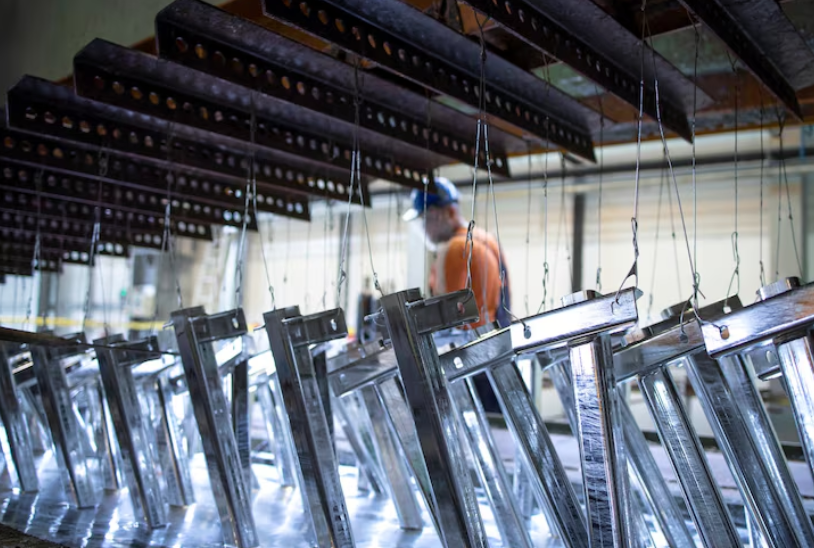
Handrails, balustrades, wall panels, and exterior finishes made from stainless steel are popular because they maintain their appearance for years without major maintenance.
Why Stainless Steel Works Well in Kitchens and Food Areas
Walk into almost any commercial kitchen, and you will likely see stainless steel everywhere. There is a good reason for that.
Food businesses need surfaces that are easy to clean, durable, and resistant to moisture. Stainless steel checks all of those boxes.
Kitchen environments deal with heat, spills, grease, and constant cleaning every single day. Materials that absorb moisture or stain easily simply do not last in those conditions.
Stainless steel surfaces are smooth and hygienic, which helps maintain cleaner food preparation areas. This is important for restaurants, cafes, catering businesses, and food production facilities.
The material is also resistant to odours and stains, making it easier to maintain a clean and professional environment.
Even in home kitchens, stainless steel appliances and fittings remain popular because they combine practicality with a modern appearance.
Manufacturing and Industrial Use
Industrial environments can be extremely demanding. Machinery and systems often operate continuously under high pressure and heat, so businesses need materials they can rely on.
Stainless steel supplies are heavily used in manufacturing because they are strong enough to handle these tough conditions.
Pipes, storage tanks, machinery parts, conveyor systems, and processing equipment are often made from stainless steel due to its durability and resistance to corrosion.
Factories also value materials that reduce maintenance downtime. Equipment that lasts longer helps improve productivity and lowers repair costs.
Sustainability and Long-Term Use
Many industries are now paying more attention to sustainability and reducing waste. Stainless steel supports this goal because it is built for long-term use.
Materials that last longer create less waste because they do not need to be replaced as often.
Stainless steel is also recyclable, which helps reduce environmental impact. Instead of ending up as waste, many stainless steel products can be reused and processed into new materials.
Choosing Quality Stainless Steel Supplies
Not all stainless steel products are the same. Quality matters, especially in projects where safety, durability, and long-term performance are important.
Different grades and finishes are designed for different uses. Some are better suited for outdoor conditions, while others are made for food preparation or industrial systems.
Choosing the right supplier is also important. Reliable suppliers help ensure the materials meet proper standards and are suitable for the intended application.
Conclusion
Stainless steel supplies continue to play an important role across many industries because they offer strength, durability, cleanliness, and long-term value. Whether used in construction, kitchens, manufacturing, healthcare, or commercial spaces, stainless steel remains one of the most reliable materials available.
People choose stainless steel because it performs well under pressure, requires less maintenance, and maintains its appearance over time. It is practical, versatile, and suitable for both heavy-duty industrial work and modern design applications.
As industries continue to grow and evolve, the demand for strong and dependable materials will remain high. Stainless steel continues to meet those expectations by providing a reliable solution for businesses, builders, and property owners looking for materials that can stand the test of time.